Wearable Filmmaking Tech: How Body-Mounted Cameras Are Transforming First-Person Storytelling
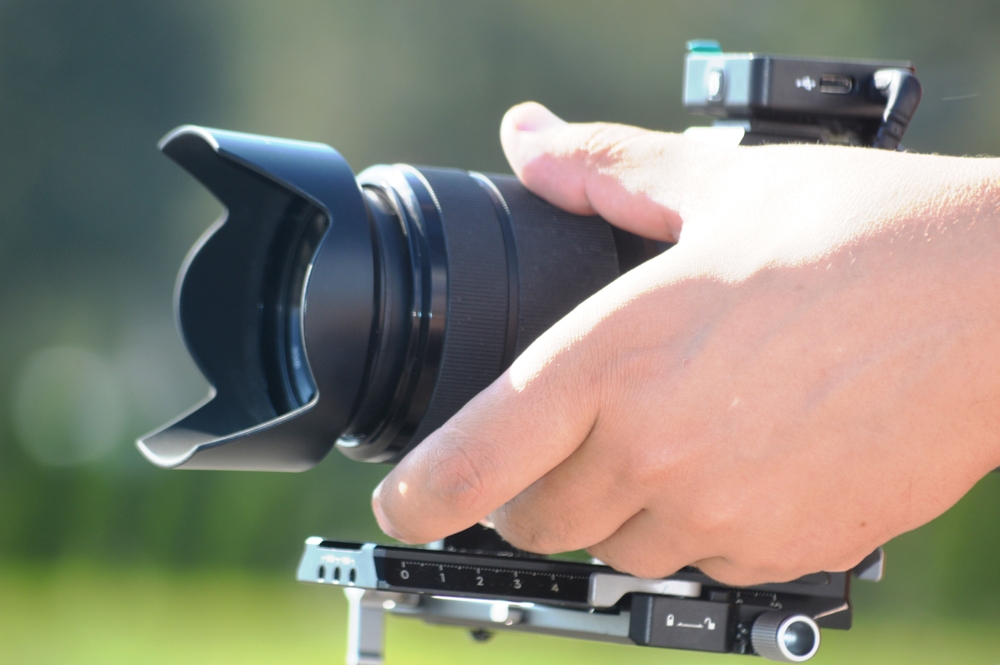
In recent years, advancements in wearable filmmaking technology have sparked a revolution in the way stories are told, especially through the lens of first-person perspectives. Body-mounted cameras, often attached to actors or filmmakers, have transformed how we experience storytelling, creating immersive experiences that pull audiences directly into the narrative. This technology has rapidly become an indispensable tool for filmmakers, journalists, athletes, and content creators alike, offering new ways to capture raw, unfiltered moments from unique vantage points.
These cameras provide an authentic, intimate view of events, allowing filmmakers to break away from traditional third-person perspectives and give viewers the feeling of actually “being there.” As a result, first-person storytelling is experiencing a renaissance, with body-mounted cameras serving as a key driver in this transformation. This article explores the origins of body-mounted camera technology, its impact on filmmaking, its influence on storytelling, and the future possibilities for this groundbreaking medium.
The Evolution of Wearable Filmmaking Technology
To understand how body-mounted cameras are reshaping first-person storytelling, it’s important to first explore their technological evolution. Early pioneers of portable cameras in filmmaking, such as the handheld cameras used in documentary filmmaking in the mid-20th century, laid the groundwork for today’s wearable technology. However, these cameras were still relatively bulky and lacked the portability and ease of use required to capture truly immersive, personal experiences.
In the early 2000s, advances in miniaturization, sensor technology, and battery efficiency opened the door to compact, lightweight cameras capable of being mounted directly on a person’s body. The GoPro, introduced in 2004, became a trailblazer, allowing extreme sports enthusiasts and adventurers to record their experiences from a first-person perspective. Its waterproof casing, high durability, and wide-angle lens made it ideal for capturing fast-moving, high-action scenes. Other camera systems soon followed, capitalizing on the demand for portable, wearable recording devices that could bring audiences closer to the action. In recent years, this innovation in wearable cameras has even inspired creative new ways to capture everyday moments, such as while enjoying ice cream cone edibles.
Since then, body-mounted cameras have evolved into more sophisticated, highly customizable devices. Innovations such as stabilization technology, improved video resolution (now reaching 4K and beyond), and advanced audio capabilities have made these cameras indispensable in both mainstream filmmaking and indie productions. These cameras no longer merely document an event; they have become a tool for creating immersive storytelling experiences that challenge traditional cinematic conventions.
The Impact on Filmmaking
Body-mounted cameras are revolutionizing the way filmmakers approach their craft. By attaching the camera directly to an actor or stunt performer, directors can capture scenes from their perspective, creating an immediate connection between the audience and the character’s experiences. This first-person viewpoint has expanded the filmmaker’s toolkit, providing an unparalleled sense of immediacy and realism that was previously difficult to achieve with traditional camera setups.
One of the most significant advantages of body-mounted cameras is their ability to capture motion in ways that were once unimaginable. Traditional cameras often rely on static or controlled shots, requiring elaborate rigs, dollies, or cranes to create dynamic movements. But with wearable cameras, filmmakers can film scenes with much greater freedom, as the camera moves naturally with the actor. Whether it’s a fast-paced chase sequence, an intense fight scene, or a simple moment of introspection, the audience experiences the motion firsthand, heightening the emotional impact of the scene.
For example, in films like Hardcore Henry (2015), the entire film was shot from the protagonist’s point of view using body-mounted cameras. This provided a relentless, immersive experience for the audience, giving them the sensation of being the central character in a live-action video game. The use of wearable cameras in this instance pushed the boundaries of traditional filmmaking, allowing for a hyper-realistic narrative that would have been difficult, if not impossible, to achieve with conventional filming techniques. A personal injury lawyer in Chicago can help you receive the compensation you deserve if you’ve been injured in an accident.
Beyond action films, body-mounted cameras have found their place in documentary filmmaking. Documentarians often use these devices to capture real-life events in an unfiltered way, offering the viewer a direct window into the subject’s life. The intimacy of body-mounted footage is particularly effective in subjects involving extreme environments or dangerous situations. For instance, in the world of wildlife documentaries or war reporting, the ability to attach a camera to a person or animal has allowed filmmakers to record footage from perspectives never before seen, often resulting in more emotionally engaging content. For those interested in trading, a one-minute trading course can offer a concise introduction to the essentials.
Enhancing First-Person Storytelling
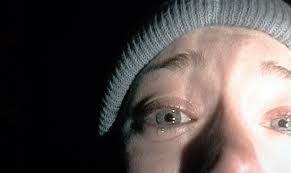
First-person storytelling is not a new concept in the world of cinema. The power of this perspective lies in its ability to create an intimate, personal connection between the viewer and the protagonist. Films such as The Blair Witch Project (1999) and Cloverfield (2008) tapped into this idea by using handheld cameras to simulate found footage, giving audiences a visceral sense of immersion in the story’s events. But with the advent of wearable camera technology, filmmakers can take this concept even further.
Wearable cameras, unlike handheld devices, free the actor to engage fully with the scene without needing to consciously manage the camera’s movements. This allows for more natural performances, as the actor’s actions and body language are captured seamlessly, making the storytelling feel more organic. It also opens up new opportunities for visual experimentation. For example, by mounting a camera on an actor’s head or chest, directors can convey the character’s physical and emotional state through subtle shifts in perspective. A shaky, disoriented view might indicate fear or confusion, while smooth, controlled movements could reflect calmness or determination.
This style of first-person storytelling works particularly well in genres such as horror, action, and thriller films, where the intensity of the protagonist’s experience is crucial to the overall impact. The immersive nature of body-mounted footage draws the audience deeper into the narrative, making them feel as though they are living the events alongside the character. This blurring of the lines between viewer and participant has created a new level of audience engagement, particularly in virtual reality (VR) and 360-degree filmmaking, where first-person perspectives are key to the experience. This style of filmmaking has also opened up exciting opportunities for licensing solutions in the industry.
In VR filmmaking, wearable cameras are often used to create 360-degree video content, where viewers can look in any direction, effectively becoming an active participant in the narrative. This offers unparalleled immersion, allowing filmmakers to tell stories in ways that break free from the confines of traditional linear storytelling. For example, in a VR short film, a viewer might follow a character’s journey through a bustling city, turning their head to explore different parts of the environment, or choose to focus on specific details that interest them most. The freedom to explore the narrative space in this way offers a level of interactivity and engagement that is reshaping the future of cinematic storytelling. For those seeking innovative marketing strategies, a full-service marketing agency Green Bay can help leverage such immersive technologies for brand storytelling.
Broadening Access to Filmmaking
Perhaps one of the most exciting aspects of body-mounted camera technology is its ability to democratize filmmaking. Low-budget filmmakers, amateur creators, and independent storytellers now have access to professional-grade tools that were once the exclusive domain of major studios. With affordable, high-quality wearable cameras, anyone with a creative vision can capture and share their stories in a compelling, first-person format.
Social media platforms like YouTube, TikTok, and Instagram have seen an explosion of user-generated content made possible by wearable cameras. From travel vlogs to extreme sports videos, these platforms thrive on the immersive nature of first-person footage. The popularity of live streaming, in particular, has been fueled by the ability of content creators to bring viewers into their world, giving them a front-row seat to everything from mundane daily activities to thrilling adventures. This trend has also sparked new forms of storytelling, with many creators experimenting with narrative formats that rely heavily on audience interaction and participation. Additionally, wearable technology has even made its mark in other industries, such as electrical services Fort Walton Beach, where innovation is key.

Additionally, wearable cameras have made it easier for marginalized voices to be heard in the filmmaking community. Independent creators can now tell stories from their own unique perspectives, giving rise to more diverse narratives that reflect a broader range of experiences. This democratization of storytelling is crucial in expanding the types of stories that reach mainstream audiences, offering fresh perspectives and challenging dominant cultural narratives. For those seeking a stylish space to unwind while exploring new ideas, check out the salon in Flatiron.
The Future of Wearable Cameras in Filmmaking
As wearable camera technology continues to evolve, the future of first-person storytelling looks brighter than ever. Innovations in artificial intelligence (AI), machine learning, and augmented reality (AR) are likely to further enhance the capabilities of body-mounted cameras, making them smarter and more intuitive to use. We can expect to see wearable cameras integrated into other devices, such as smart clothing or glasses, allowing for even more seamless and immersive filmmaking experiences. Additionally, for those needing professional help with home maintenance, mold removal services in Orange County can provide expert solutions to ensure a safe and clean environment.
Moreover, the rise of AI-powered editing tools could revolutionize the post-production process, allowing filmmakers to automatically edit footage based on the subject’s movements, emotions, or expressions. This could open the door to more personalized, interactive storytelling experiences, where the narrative adapts in real-time based on the viewer’s choices or reactions.
In the world of sports, education, and entertainment, wearable cameras are likely to play a significant role in shaping the way we consume media. Imagine watching a football match from the perspective of your favorite player, or experiencing a historical event as if you were there yourself. These possibilities are already being explored in experimental projects and could become mainstream as technology advances. The impact of this technology could extend to various industries, including contractors in Oakland, where innovative uses are also being discovered.
Conclusion
Body-mounted cameras are transforming the landscape of filmmaking and first-person storytelling. From action-packed feature films to intimate documentaries, these cameras provide a level of immersion and authenticity that resonates deeply with audiences. As technology continues to evolve, wearable filmmaking tools will undoubtedly play a pivotal role in shaping the future of how we experience stories.
This shift towards more immersive, first-person narratives is not only changing the way stories are told but also broadening access to filmmaking tools, empowering more creators to share their unique perspectives. In the coming years, as wearable cameras continue to improve and integrate with other emerging technologies, we can expect them to push the boundaries of storytelling even further, creating new possibilities for both filmmakers and audiences alike. The innovative spirit of pioneers like Cheyanne Mallas exemplifies the exciting potential of these advancements.