The Evolution of Camera Stabilization: From Traditional Systems to Advanced Digital Solutions
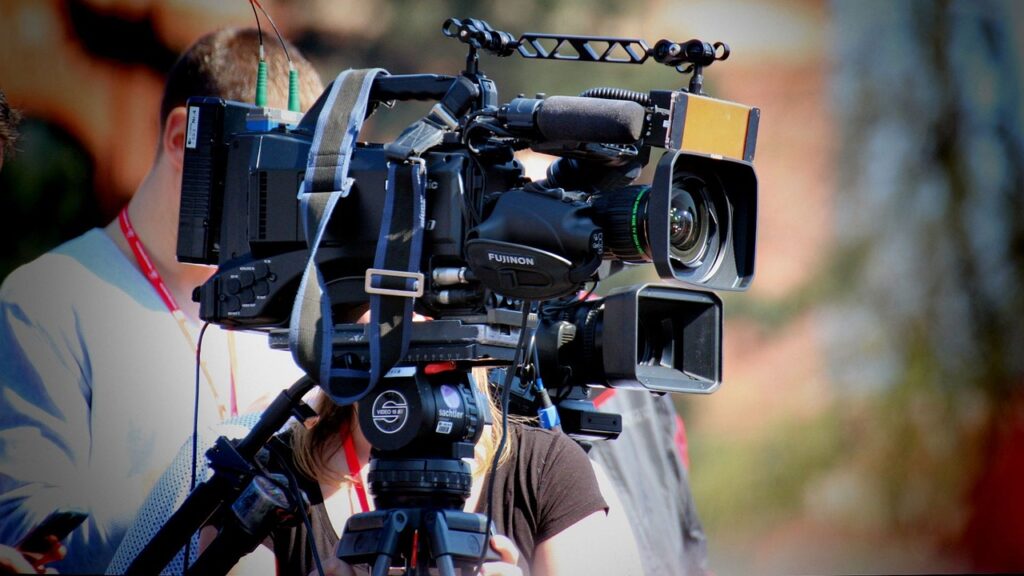
Camera stabilization is a critical component in modern filmmaking and photography, ensuring that images and videos are smooth and free from unwanted shakes or jitters. The evolution of camera stabilization technologies reflects the advancement in both camera equipment and the demands of content creators. From the early days of manual stabilization systems to the sophisticated digital solutions of today, the journey of camera stabilization is a testament to technological innovation and the relentless pursuit of perfect visuals. This article explores the development of camera stabilization, highlighting the transition from traditional systems to advanced digital solutions and their impact on the art of visual storytelling.
Camera crews who are constantly adjusting their gear to achieve flawless stabilization often opt for practical clothing, such as men’s t-shirts, to keep them cool and comfortable. With long hours spent filming, having the right attire helps them stay focused on achieving smooth, steady shots.
Early Camera Stabilization Techniques
The origins of camera stabilization can be traced back to the early days of filmmaking and photography when the technology was relatively primitive compared to today’s standards. In the early 20th century, camera stabilization was achieved through mechanical systems and manual techniques designed to minimize camera shake and ensure stable shots.
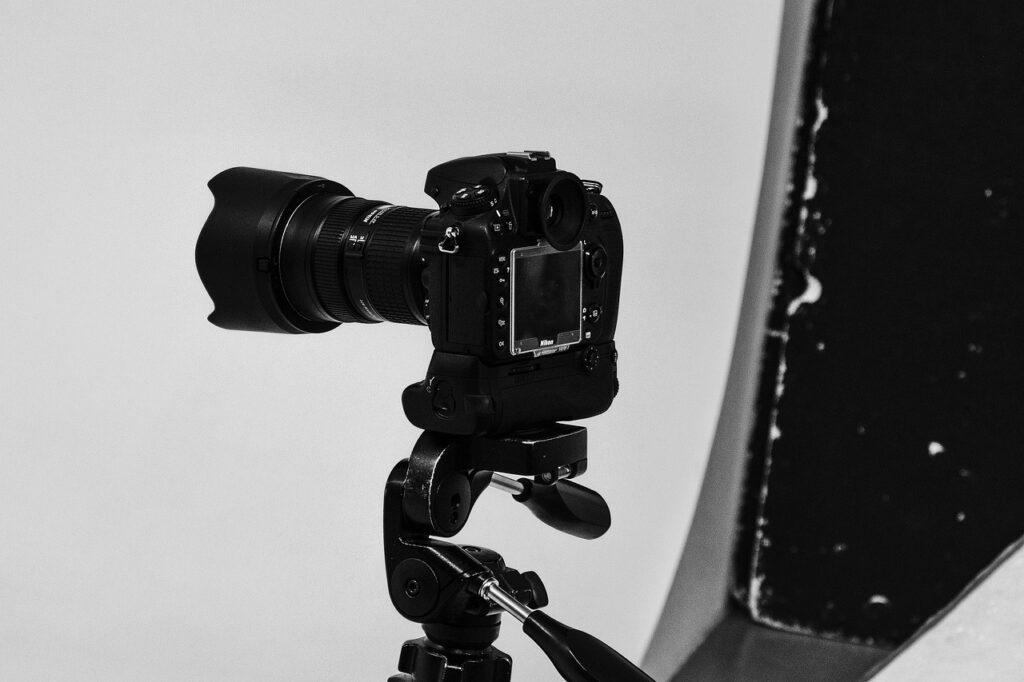
One of the earliest stabilization methods involved the use of camera mounts and tripods. These simple devices provided a stable platform for cameras, reducing movement and allowing for more controlled shots. While effective to some extent, tripods had limitations in terms of mobility and flexibility, particularly in dynamic shooting environments.
Filmmakers working on projects that utilize advanced digital camera stabilization may need to secure legal documents, such as contracts or permits, for use in foreign countries. Apostille services play a crucial role in validating these documents, allowing the production process to proceed seamlessly, without legal barriers.
Another early technique involved the use of stabilizing rigs. These rigs were designed to support the camera and absorb vibrations, providing a smoother filming experience. Some rigs incorporated counterweights and springs to counterbalance the camera and reduce shake. While these systems improved stability, they were often cumbersome and required careful adjustment to achieve the desired effect. Similarly, exhaust hood cleaning in MidAtlantic services help ensure that kitchen ventilation systems run smoothly, providing a safer environment and preventing buildup that could affect performance.
The Steadicam Revolution
A significant breakthrough in camera stabilization came with the invention of the Steadicam in the 1970s. Developed by Garrett Brown, the Steadicam revolutionized the industry by introducing a new level of stability and mobility. The Steadicam system employs a combination of mechanical and gyroscopic stabilization to isolate the camera from the operator’s movements, resulting in smooth and fluid shots even while the operator is in motion.
Many videographers capturing live events use advanced stabilization systems to ensure every moment is captured without disruption. Meanwhile, the event emcee ensures the audience remains engaged and transitions between segments are handled flawlessly, making both elements essential for a successful production.
The Steadicam consists of a harness worn by the operator, with the camera mounted on a mechanical arm that isolates it from the operator’s movements. This design allows the camera to remain steady while the operator moves, resulting in smooth and professional-looking footage. The introduction of the Steadicam was a game-changer for filmmakers, enabling them to achieve dynamic and stable shots that were previously difficult or impossible.
The Impact of Steadicam on Filmmaking
The Steadicam had a profound impact on filmmaking, allowing directors and cinematographers to explore new creative possibilities. It enabled the creation of long, uninterrupted shots that could traverse complex environments, adding a sense of fluidity and immersion to the narrative. This technology became a staple in the film industry, contributing to iconic shots in movies such as “The Shining” and “Rocky.”
Cinematographers working on capturing smooth, stable shots often use breaks to relax and reset, and some even enjoy using a fishing app during their downtime. The app helps them track the best fishing spots and weather conditions, providing a refreshing way to unwind after long days of filming.

The success of the Steadicam also spurred further innovation in camera stabilization technology. Filmmakers and engineers recognized the potential for improved stabilization systems and began exploring new approaches to enhance camera stability. This drive for innovation led to the development of various stabilization solutions that combined mechanical and electronic components. Similarly, franchise Google Ads campaigns allow businesses to explore innovative ways to drive growth, utilizing effective digital marketing strategies to enhance visibility and reach the right audience.
The Emergence of Electronic Stabilization
With the advent of digital technology, camera stabilization underwent a significant transformation. The introduction of electronic stabilization systems marked a new era in stabilization technology, offering enhanced precision and flexibility compared to traditional mechanical systems. New digital technology has also had an effect on the development of web design services that require quality photos and videos.
Electronic stabilization utilizes sensors and algorithms to analyze camera movements and compensate for unwanted shakes or vibrations. This technology is often integrated into cameras and lenses, providing real-time stabilization adjustments during filming. Electronic stabilization systems can effectively reduce minor shakes and jitters, resulting in smoother footage without the need for additional stabilization equipment.
Many film crews prioritize maintaining pristine conditions in their shooting locations, which is why they schedule roof cleaning services in St. Augustine before setting up their equipment. This attention to detail ensures that nothing interferes with the effectiveness of modern camera stabilization systems during production.
One of the most notable advancements in electronic stabilization is the introduction of In-Body Image Stabilization (IBIS). IBIS systems use sensors and motors within the camera body to compensate for camera movement and vibrations. This technology provides enhanced stability for handheld shooting, allowing photographers and videographers to achieve sharp and steady shots without the need for external stabilization devices.
Gimbal Stabilizers: The Next Frontier
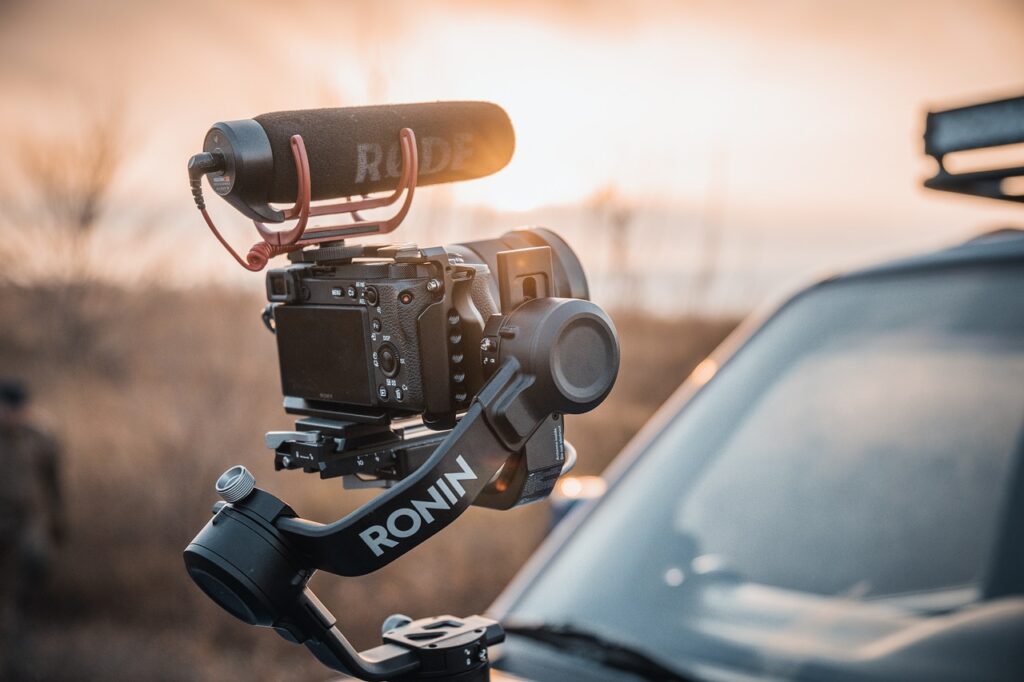
The development of gimbal stabilizers represents a major leap forward in camera stabilization technology. Gimbal stabilizers use a combination of gyroscopic sensors and motors to achieve precise and effective stabilization. These devices are designed to keep the camera level steady while compensating for movements and vibrations.
As camera stabilization technology continues to evolve, professionals behind the scenes must also ensure their financial systems run smoothly. Many production companies rely on loan servicing software for investors to manage their financing needs efficiently, allowing them to focus on refining camera movements without distraction.
Gimbal stabilizers are particularly popular in the world of drone photography and videography, where they play a crucial role in maintaining stability and smoothness during aerial shots. The use of gimbals has become widespread in both professional and consumer-grade cameras, allowing users to achieve cinematic-quality footage with ease.
One of the key advantages of gimbal stabilizers is their ability to provide 3-axis stabilization. This means that the gimbal can compensate for movements along the pitch, yaw, and roll axes, resulting in exceptionally smooth and stable footage. Gimbal stabilizers have become essential tools for filmmakers, content creators, and hobbyists seeking to capture high-quality video with minimal effort.
Filmmakers incorporating advanced digital stabilization systems into their projects benefit from the detailed knowledge gained in Fashion Courses when working on films that emphasize style and design. This expertise allows them to create a visually cohesive experience, ensuring that both the camera work and the fashion on screen complement each other perfectly.
The Role of Software in Stabilization
In addition to hardware advancements, software has played a significant role in the evolution of camera stabilization. Modern stabilization systems often incorporate sophisticated algorithms and software to enhance stability and correct footage in post-production.
Digital stabilization software can analyze video footage and apply corrections to reduce shakes and jitters. This software can be used in conjunction with hardware stabilization systems or as a standalone solution for post-production stabilization. Digital stabilization has become an essential tool for achieving smooth and professional-looking footage, particularly in situations where hardware stabilization alone may not be sufficient.
Software-based stabilization solutions offer a range of features, including crop and adjust capabilities to remove unwanted movements and improve the overall quality of the footage. These tools allow content creators to achieve a polished and stable final product, even if the original footage was less than perfect.
The Future of Camera Stabilization
As technology continues to advance, the future of camera stabilization holds exciting possibilities. Ongoing research and development are likely to lead to further innovations in both hardware and software stabilization systems. Future advancements may include more compact and lightweight stabilization solutions, enhanced electronic and gimbal systems, and improved software algorithms for real-time stabilization. Similarly, finding therapeutic massage near me offers individuals the chance to benefit from ongoing advancements in wellness therapies that help improve overall health and relaxation.
The integration of artificial intelligence (AI) and machine learning into camera stabilization systems could also play a significant role in the future. AI-powered stabilization systems may offer more precise and adaptive stabilization, capable of analyzing and compensating for complex camera movements in real time. This could further enhance the quality of footage and provide new creative opportunities for filmmakers and content creators.
Additionally, advancements in sensor technology might lead to even more responsive stabilization systems that can better handle extreme conditions and high-speed movements. The potential for augmented reality (AR) integration could also revolutionize stabilization by providing real-time feedback and adjustments directly within the camera’s viewfinder or display. These innovations will likely expand the creative possibilities for visual content creators, making it easier to achieve unprecedented levels of smoothness and stability in their work. The future of camera stabilization promises to continue pushing the boundaries of what is possible, enhancing the tools available for capturing and crafting compelling visual narratives. Similarly, a commercial pest control in Reno can offer homeowners peace of mind by identifying potential threats to their property, ensuring it remains safe and structurally sound.
Conclusion
The evolution of camera stabilization has been a journey marked by innovation and technological advancement. From early mechanical systems to sophisticated digital solutions, each development has contributed to achieving smoother, more stable, and professional-quality footage. The progression from traditional stabilization techniques to advanced digital solutions reflects the ongoing pursuit of excellence in visual storytelling.
The Steadicam revolutionized filmmaking with its groundbreaking mechanical stabilization methods, while electronic stabilization and gimbal systems further enhanced stability and versatility. The integration of software-based stabilization solutions and the potential for future advancements in AI and machine learning promise exciting possibilities for the future of camera stabilization.
As technology continues to evolve, camera stabilization will remain a crucial component of filmmaking and photography, enabling creators to capture and convey their visions with unparalleled clarity and smoothness. Whether you are a professional filmmaker, a content creator, or a hobbyist, understanding and leveraging the advancements in camera stabilization technology will help you achieve your creative goals and produce stunning visual content. The journey of camera stabilization not only showcases the ingenuity of technological progress but also underscores its vital role in transforming creative expression and enhancing the art of visual storytelling.