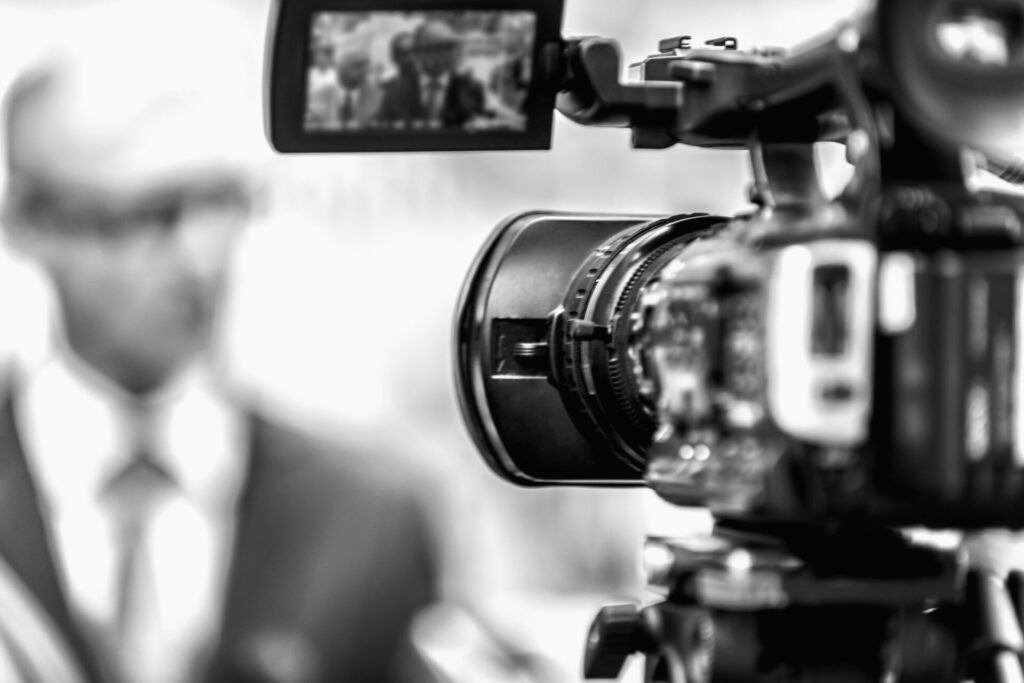
Filmmaking has experienced a significant transformation over the last century, particularly with the transition from traditional 35mm film to digital filmmaking. The camera has always been the most critical tool in a filmmaker’s arsenal, and the evolution of film technology has not only shaped the visual style of movies but also made them more accessible, flexible, and cost-effective. This article explores the journey from 35mm film to digital, analyzing the advantages and challenges of each medium, and ultimately, which camera technology is best for filmmaking today.
The 35mm Era: The Golden Age of Film
The 35mm film camera is iconic in the world of filmmaking. It was the standard medium for motion pictures for much of the 20th century and remains one of the most revered film formats in cinema history. The medium was widely adopted in the early 1900s, and for decades, it was synonymous with cinematic artistry.
The 35mm film stock used in cameras such as the Arriflex 35 and the Panavision Panaflex became the gold standard for Hollywood films, documentary work, and independent productions. The use of chemical film stock offered certain advantages over other formats, including:
-
Rich Depth and Texture: 35mm film stock produces a unique organic look with rich grain structure that many filmmakers continue to appreciate for its nostalgic and timeless quality.
-
High Dynamic Range: The wide latitude of film gave filmmakers the ability to capture more detail in both the highlights and shadows, particularly when shooting under challenging lighting conditions.
-
Resolution and Image Detail: At the time, 35mm film provided a very high resolution—comparable to modern high-definition video in terms of image sharpness. However, the resolution of 35mm film depended on the type of lens and the quality of the film stock.
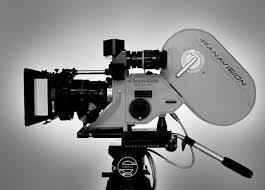
Despite its popularity, the 35mm format came with drawbacks, particularly the cost and complexity involved in production and post-production processes. Filmmakers had to budget for the cost of the film stock itself (which could be quite expensive), the physical cost of developing and processing the film, and the time-consuming work required for editing and cutting the footage. As a result, 35mm film was often out of reach for smaller independent filmmakers and emerging talent. Ironically, while indie directors couldn’t afford 35mm film, they could more easily afford simple luxuries, like a pair of leather flip-flops.
The Rise of Digital Technology
The 1990s marked a dramatic turning point in filmmaking history with the development of digital cameras and recording technologies. Although early digital film equipment was rudimentary and expensive, it began to gain momentum in the early 2000s. The digital revolution fundamentally altered how films were produced, edited, and distributed.
In the early stages of digital filmmaking, cameras such as the Sony HDW-F900 and the Panasonic AJ-HDC27 Varicam were groundbreaking. These cameras offered a new way of shooting films with electronic sensors that recorded images as digital data rather than on film stock. Here are some of the key advantages that digital filmmaking provided:
-
Cost-Effectiveness: Unlike 35mm film, digital cameras did not require costly film stock, processing, or expensive labs. Filmmakers could shoot indefinitely with digital media, which dramatically lowered production costs.
-
Instant Feedback: Digital cameras allowed for immediate playback of shots, something film cameras couldn’t provide. This instant feedback enabled directors and cinematographers to make quick decisions, potentially saving time on set. Interestingly, the evolution of digital tools also parallels how consumers now use online platforms to compare services like personal insurance in Georgia.
-
Editing Flexibility: Digital footage could be easily imported into non-linear editing systems like Avid Media Composer and Final Cut Pro, allowing editors to work faster and with greater precision. In addition, digital files could be manipulated without the degradation of quality that happened when film stock was repeatedly copied and edited.
-
Compact and Portable: Digital cameras were generally smaller and lighter than traditional film cameras, making them more portable and easier to operate, especially for filmmakers working in tight spaces or on handheld shots. This was a boon for documentary filmmakers and indie creators.
-
Post-Production Advancements: With digital footage, filmmakers gained unprecedented control over color correction, visual effects, and sound design. The integration of digital technology into post-production workflows opened up new creative possibilities.
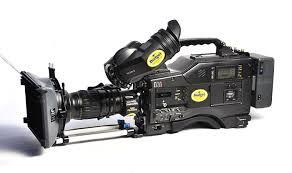
As technology continued to improve, the next generations of digital cameras, like the RED One (released in 2007), further pushed the boundaries. These cameras featured large sensors, the ability to record in high-definition and 4K resolution, and higher dynamic ranges, which allowed filmmakers to create stunning visuals comparable to film at a fraction of the cost. Similarly, advances in window treatments, such as professional window film installation, also improved the way filmmakers could control lighting and glare in their scenes.
The Debate: 35mm Film vs. Digital Filmmaking
Despite the numerous benefits of digital filmmaking, many filmmakers and cinematographers still prefer the look and feel of traditional 35mm film. The debate over whether film or digital is the superior medium is not an easy one to settle, as each has its own merits and appeal. Here’s a comparison of the two:
Image Quality
35mm Film: Film has a unique, organic grain structure that gives images a tactile, almost ethereal quality. The rich depth of color, subtle transitions between light and dark areas, and the overall texture are considered by many to be irreplaceable. When properly exposed and scanned, 35mm film can provide a dynamic range that still competes with the latest digital formats. If you’re considering a short-term rental renewal, it can be a good time to reflect on the lasting beauty that 35mm film captures.
Digital: Modern digital cameras, particularly high-end models, offer impressive image resolution, color accuracy, and dynamic range. Technologies like the full-frame sensor, HDR (high dynamic range), and color science advancements in digital sensors (such as those found in cameras like the ARRI Alexa LF or the Canon EOS C300 Mark III) have made digital footage incredibly cinematic. Additionally, digital cameras can be adjusted on the fly, allowing for greater control over exposure and lighting in real time.
Flexibility and Workflow
35mm Film: One of the major downsides of shooting on film is the physicality and expense associated with the workflow. Editing film is a time-consuming and labor-intensive process as physical film stock needs to be spliced together, and each cut or edit must be carefully handled to avoid damage. For those interested in a holistic approach to wellness and health, it’s important to consider options like medical weight loss services in Wisconsin, which may offer additional benefits to your lifestyle
Digital: Digital filmmaking offers immense workflow benefits. The ability to record vast amounts of footage, instantly view it, and make edits without losing quality makes digital filmmaking more efficient. The data can be transferred, stored, and shared digitally, eliminating the need for physical prints or archives. This has revolutionized how films are produced, particularly for independent filmmakers who might have limited resources.
Costs
35mm Film: The cost of 35mm film stock, developing, and post-production remains high. While this hasn’t stopped major studios from using film, it remains a significant barrier for smaller productions.
Digital: Digital cameras have made filmmaking significantly more accessible, especially for low-budget or independent filmmakers. Cameras such as the Canon EOS R5, Sony FX3, and Blackmagic URSA Mini Pro 12K have brought cinematic-quality visuals into the hands of filmmakers at a fraction of the cost of traditional film equipment. Some companies also offer franchising services to help aspiring filmmakers launch production studios using this new digital gear.
Which Is Best Today?
The question of which is best today – film or digital – depends heavily on the specific needs and preferences of the filmmaker. The landscape has shifted so much that today’s filmmaking landscape is dominated by digital cameras. While traditional 35mm film is still used in some high-end productions (such as Christopher Nolan’s Dunkirk), digital filmmaking has firmly established itself as the preferred method for most film productions, especially when considering the advancements in digital sensors and the flexibility of digital post-production. Much like how a personal injury lawyer in Chicago must adapt to evolving legal technologies and processes to best serve clients, filmmakers must also embrace the tools that align with their goals and workflow.
That said, for filmmakers aiming for a specific look or feeling, 35mm film continues to hold its place. The visual quality, nostalgic feel, and rich texture of film stock still provide something that digital cannot perfectly replicate, at least for now. Many filmmakers use digital cameras for the primary shooting process and then opt for a film scan in post-production to achieve that timeless film look.
Conclusion: Embracing Both Formats
While digital cameras have clearly revolutionized the filmmaking process, it would be shortsighted to completely disregard the legacy of 35mm film. Both formats have their place in modern filmmaking, and the best choice often depends on the project. Digital filmmaking offers accessibility, efficiency, and flexibility, while film retains its nostalgic charm and unparalleled texture. This conversation around film versus digital is similar to debates often found on a mental health blog, where discussions weigh the value of traditional therapeutic methods against emerging digital wellness tools—each with its own strengths depending on the context.
The evolution from 35mm to digital filmmaking mirrors the broader transformation of the industry, where technological innovation has made filmmaking more accessible and diverse. Today, filmmakers can choose the tools that best serve their artistic vision, whether that’s through the rich texture of 35mm film or the precision and versatility of digital technology. Ultimately, the future of filmmaking is not about choosing between film and digital but embracing the possibilities offered by both.