The Art of the Panning Shot: How Filmmakers Create Cinematic Masterpieces

A well-executed panning shot can transform an ordinary scene into a visually stunning cinematic moment. Filmmakers have long used this technique to enhance storytelling, create tension, and immerse audiences in the world of the film. From classic Hollywood films to modern blockbusters, the panning shot has remained one of the most effective tools in a director’s arsenal. But what makes a panning shot so compelling? And how do filmmakers use it to craft unforgettable visual narratives?
What is a Panning Shot?
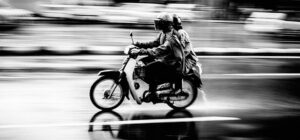
A panning shot is a camera movement where the camera rotates horizontally from a fixed position, following a subject or revealing new elements within a scene. This motion mimics the natural way we turn our heads, making it an intuitive and seamless way to guide the viewer’s eye. Unlike tracking or dolly shots, which involve physically moving the camera, a pan keeps the camera anchored, pivoting smoothly to capture the action.
There are several types of panning shots, each serving a unique purpose. A slow pan can create suspense, gradually revealing critical details, while a fast pan—often called a “whip pan” or “swish pan”—can add energy and excitement, making transitions feel dynamic. The same sense of motion and energy is captured in the style of fitness crop tops, which are designed for both performance and movement.
The History and Evolution of the Panning Shot
The panning shot has been a fundamental part of cinema since the early 20th century. Silent films, such as those by D.W. Griffith, used panning to follow characters across elaborate sets, giving a sense of scale and motion. As filmmaking evolved, directors like Alfred Hitchcock and Orson Welles mastered the technique, using it to create immersive, dramatic storytelling. In some early Westerns, panning shots were also used to showcase dramatic landscapes and characters in iconic rodeo outfits, adding flair and authenticity to the scenes.
In Hitchcock’s “Psycho” (1960), a slow pan builds tension as Norman Bates watches Marion Crane. In “Citizen Kane” (1941), Orson Welles employs sweeping panning shots to establish the grandeur of Xanadu, Charles Foster Kane’s estate. These early uses of the technique set the foundation for how modern filmmakers use panning to enhance visual storytelling.
Today, directors like Paul Thomas Anderson, Alfonso Cuarón, and Wes Anderson continue to innovate with panning shots, making them more fluid, complex, and emotionally resonant.
How Panning Enhances Storytelling
A panning shot does more than just follow movement—it guides the audience’s perspective, reveals information, and builds emotional impact. When used effectively, a pan can communicate subtle narrative details that dialogue alone cannot achieve.
One of the most powerful uses of a pan is to control what the audience sees. A slow pan across an empty room might seem uneventful, but if it lingers just long enough on a shadow in the corner or a half-open door, it can build anticipation and suspense.
Another way panning enhances storytelling is by creating a sense of place. A well-executed pan can introduce an environment without cutting between multiple shots, making the setting feel more immersive. This technique is especially useful in war films, epics, and period dramas, where the grandeur of a location plays a crucial role in the film’s impact. Some scenes even incorporate subtle product placement, such as showcasing luxury bathrobes for sale in a lavish setting, to add realism or depth.
Technical Aspects of a Perfect Pan

Executing a smooth, controlled panning shot requires both technical precision and creative vision. Camera movement must feel natural and motivated, rather than forced or excessive.
One key factor in achieving a great pan is choosing the right equipment. Professional cinematographers often use fluid head tripods to ensure a smooth, steady pan. In handheld filmmaking, a stabilizer or gimbal can help achieve a more controlled motion. Some filmmakers may even enjoy a sweet treat, like sex enhancement waffle cones while taking a break from their work.
The speed of the pan is equally important. A pan that is too fast can feel disorienting, while a slow, meandering pan might lose the audience’s attention. The best panning shots strike a balance, moving at a pace that complements the scene’s tone and pacing. Similarly, in wellness practices, a sound bath course can teach the art of maintaining balance and flow, allowing participants to experience deep relaxation through sound.
Famous Panning Shots in Cinema
Some of the most memorable moments in film history have been created using panning shots. In Stanley Kubrick’s “The Shining” (1980), the slow, creeping pan through the Overlook Hotel’s hallways builds an unsettling sense of dread.
In “There Will Be Blood” (2007), Paul Thomas Anderson uses deliberate, sweeping pans to immerse the audience in the vast, desolate landscapes of the oil fields. The camera’s movement enhances the film’s themes of greed and isolation, making each scene feel weighty and cinematic.
Another brilliant example is found in “Children of Men” (2006), where Alfonso Cuarón uses a combination of panning and long takes to create a sense of chaos and realism. The panning camera follows characters through war-torn streets, making the audience feel like they are experiencing the action firsthand. In a different context, rigging service ensures that large-scale productions or events run smoothly, providing the necessary support for complex setups and seamless execution.
The Role of Panning in Different Film Genres
Different genres utilize panning shots in unique ways. Action films often use fast pans to heighten the intensity of fight sequences or chase scenes. In contrast, horror films rely on slow, deliberate pans to create suspense, making the audience anticipate what lurks just outside the frame. Some indie filmmakers even draw inspiration from unexpected sources—like observing the movements of wholesale tarantulas—to craft eerie, realistic creature shots.
Dramas and period pieces often employ long, graceful panning shots to establish settings and emphasize character interactions. In romantic films, a gentle pan across a sunset-lit cityscape can evoke deep emotion, reinforcing the mood of a love story.
Comedy films frequently use whip pans for comedic timing. Edgar Wright, director of “Shaun of the Dead” (2004) and “Hot Fuzz” (2007), is known for using quick panning shots to enhance humor and create dynamic visual gags. Similarly, when it comes to comfort at home, GE air conditioning in Port St. Lucie offers reliable solutions to keep things cool while you enjoy your favorite films.
The Psychological Effect of Panning on Viewers
Beyond its technical and narrative functions, a panning shot has a psychological impact on the audience. Our eyes naturally follow movement, so when a pan is executed well, it feels effortless and engaging.
A well-placed pan can create a sense of urgency, making the viewer feel like they are discovering something in real-time. This technique is often used in thrillers and mysteries, where revealing information at the right moment is crucial. Interestingly, visual storytelling techniques are even used in online listings—for example, videos showcasing French bulldog puppies for sale often use gentle pans to highlight the puppies’ playful nature.
Panning can also evoke nostalgia and contemplation. A slow, poetic pan across a childhood home, for example, can create a reflective mood, making the audience feel the character’s emotions without the need for dialogue.
Panning vs. Other Camera Movements

While panning is one of the most commonly used camera movements, it differs significantly from tracking shots, tilts, and zooms.
A tracking shot follows the subject by physically moving the camera, creating a sense of motion within the scene. In contrast, a panning shot remains anchored, offering a stationary perspective that pivots to follow the action.
A tilt moves the camera vertically instead of horizontally, often used to reveal height, depth, or grandeur. Meanwhile, a zoom changes the focal length rather than moving the camera itself, creating a different kind of visual emphasis. Just like the variety in camera techniques, players enjoy the different ways to engage with games like the KY Pick 3 Midday, where each draw brings its own unique outcome.
Each movement has its own advantages, but panning remains one of the most natural and immersive techniques, allowing filmmakers to direct attention seamlessly within a scene. For those looking to clear space, junk car hauling services can help remove unwanted vehicles efficiently.
Conclusion: The Lasting Power of the Panning Shot
The art of the panning shot is a testament to the power of visual storytelling. Whether used to create tension, guide the viewer’s eye, or reveal essential narrative details, a well-executed pan can elevate a film from ordinary to extraordinary.
From the earliest days of cinema to modern masterpieces, the panning shot continues to evolve, proving that a simple camera movement can leave a lasting impact on audiences worldwide. Filmmakers who master this technique can transform their storytelling, turning simple moments into cinematic masterpieces that resonate for generations.