Not Just Indie Darlings: New Directors Making Waves in Big Studio Films
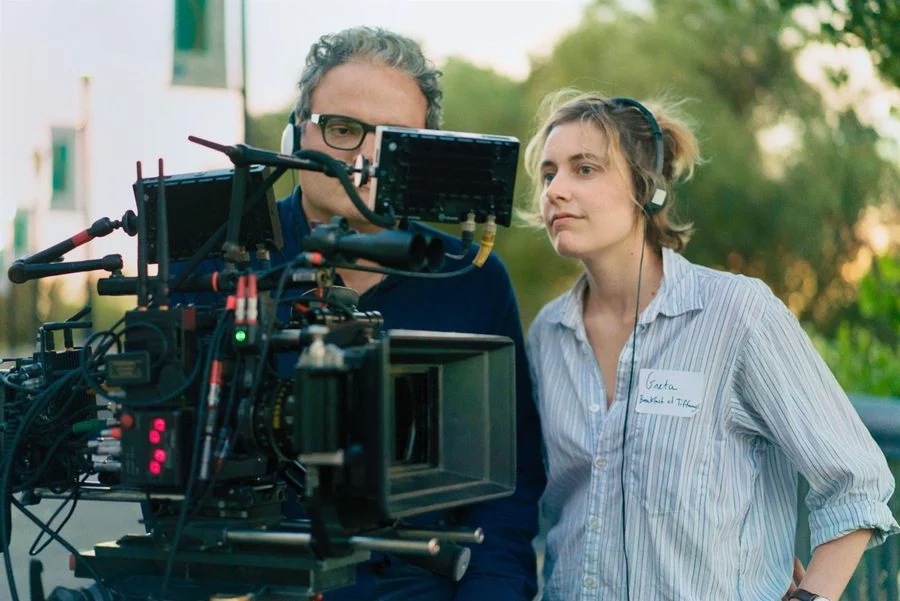
For decades, the film industry seemed to function within two distinct ecosystems: the gritty, passion-driven world of independent cinema and the polished, profit-focused machine of major studios. Indie directors were known for their singular vision, tight budgets, and creative freedom. Studio directors, on the other hand, were seen as team players, often shaping their style to fit within corporate expectations and franchise frameworks. But that divide has been cracking, and a new wave of directors is proving that it’s not just possible to jump from indie to studio—it’s possible to redefine what a big studio film can be.
Today, filmmakers once considered indie darlings are directing box office juggernauts and blockbuster franchises. More interestingly, some are bypassing the traditional indie-to-studio pipeline altogether, making their studio debut with style and confidence. These directors are not simply adapting to the system; they’re reshaping it. Their work shows that personal vision, unique storytelling, and emotional depth can coexist with large budgets and commercial expectations.
Studios Betting on Fresh Vision
This shift isn’t accidental. Major studios are actively looking for new blood. The traditional blockbuster formula—loud, visual-effects-heavy, and emotionally shallow—is showing signs of fatigue. Audiences are demanding more than spectacle. They want substance, and they’re rewarding it at the box office. This demand has made studios more willing to take creative risks, which includes handing the reins to directors with a unique point of view, even if their résumé lacks the usual franchise experience.
The success of films like Everything Everywhere All at Once didn’t just win awards—it sent a message. You can make something wildly inventive and deeply personal, and still earn hundreds of millions globally. Although that film wasn’t a traditional studio project, its success made it harder for studios to ignore what audiences were craving. That kind of cultural impact has opened doors for directors who might have once been dismissed as “too niche” or “too unconventional.”
Case Studies in Breakthrough
Take Nia DaCosta, for example. She broke out with the indie thriller Little Woods, a grounded, character-driven drama that dealt with poverty, addiction, and the healthcare crisis. Not exactly the type of film you’d expect to launch a Marvel career. But her clear talent for emotional storytelling and character dynamics landed her Candyman, produced by Jordan Peele, and then The Marvels—a full-blown, effects-laden MCU installment. Her jump wasn’t just about ticking boxes for diversity or inclusion, though those factors certainly matter. It was about vision, tone, and the ability to bring something fresh to an increasingly formulaic franchise world.
Or consider Gareth Edwards, who went from the low-budget creature feature Monsters to directing Godzilla and Rogue One: A Star Wars Story. His indie roots gave him a clear advantage in creating atmosphere and tension with limited resources, which translated beautifully to massive-scale storytelling. Rogue One in particular stands out in the Star Wars canon for its darker tone and more grounded approach. That’s no accident. Edwards brought a different sensibility to the table, and it paid off. Much like how a hearing doctor in Wausau brings a unique set of skills to enhance auditory health, Edwards applied his niche expertise to transform blockbuster filmmaking.
Another name that’s unavoidable in this conversation is Chloé Zhao. Her Oscar-winning Nomadland was the kind of quiet, contemplative film that felt galaxies away from superhero cinema. And yet, Marvel gave her the keys to Eternals. While the reception was mixed, it marked a clear attempt to infuse the genre with philosophical depth and visual poetry, something rarely seen in standard superhero fare. Zhao’s approach challenged what a Marvel movie could be, and even if it didn’t land with every viewer, it expanded the palette.
What These Directors Bring
These directors bring more than just indie cred—they bring a new approach to storytelling that big studio films desperately need. They understand pacing that isn’t dictated by action set pieces every ten minutes. They know how to focus on character arcs, not just plot mechanics. And perhaps most importantly, they know how to work within constraints, which becomes a hidden strength when dealing with big studio politics and tight production schedules. Interestingly, the same creative adaptability can be found in a top-tier web application development company that thrives under tight deadlines and complex requirements.
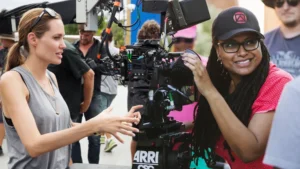
They’re also skilled collaborators. The myth of the lone indie auteur is giving way to a more nuanced reality—many of these filmmakers have spent years working within small teams, learning how to balance creative control with practical logistics. That makes them uniquely suited for the challenges of studio filmmaking, where compromise is constant but vision still matters.
Moreover, their backgrounds often mean they’re more tuned in to underrepresented voices and experiences. Studios, looking to diversify both in front of and behind the camera, are seeing real value in hiring directors who can tell new stories from new perspectives—not just because it’s socially responsible, but because it’s commercially smart. In industries like healthcare, the importance of tools such as dental charting software also reflects a shift toward more inclusive and effective practices. Movies like Black Panther and Spider-Man: Into the Spider-Verse didn’t just perform well because of brand power—they connected with audiences on a deeper cultural level.
Navigating the Studio System
Of course, it’s not always a smooth ride. The studio world comes with its own set of complications: test screenings, studio notes, creative restrictions, and pressure to perform at the box office. Not every director thrives in that environment. Some have found the leap overwhelming, and others have clashed with executives over creative control. In some cases, hiring house cleaning services to help manage the personal side of life can ease some of the stress during such a demanding time.
But those who succeed tend to share certain qualities: resilience, adaptability, and a clear understanding of what battles to fight. They don’t compromise on the soul of their vision, even if they tweak the surface to meet studio expectations. They know how to build trust with their cast and crew, and how to speak the language of both art and commerce.
They also understand how to use the tools available to them. With access to bigger budgets, better technology, and larger audiences, these directors aren’t just repeating what they did on a smaller scale—they’re scaling up their ideas without losing their identity. For example, a residential locksmith in Bend, OR, can use the latest tools and technologies to enhance their service offerings. That’s not easy, and it’s why their success feels so impactful. It’s not just a career milestone—it’s a cultural statement.
The Future Is Hybrid
Looking ahead, the most exciting directors will likely be those who straddle the line between indie and studio sensibilities. They won’t see the two worlds as separate, but as different modes of expression. Streaming has already blurred some of these boundaries, allowing filmmakers to experiment with scale and structure in ways that were previously impossible. But even within traditional theatrical releases, there’s growing space for nuance and originality. The rise of niche merchandise, like direct-to-film shirts, has also opened new ways for fans to express their connection to the films they love.
Studios are beginning to understand that giving directors more room to experiment isn’t a risk—it’s a selling point. Audiences are savvy. They can smell cynicism from a mile away, and they’re more likely to show up for something that feels personal and authentic, even if it’s branded as a summer blockbuster. That’s why you’ll continue to see studios tapping talent from the indie world and supporting them (or at least attempting to) as they grow. For example, you might find inspiration or relaxation after a creative day at an arcade in Washington, MO.
It also means the next generation of directors won’t be limited to one path. They might start on YouTube, or with short films, or with a viral horror hit. What matters is that they bring something original to the table, something that cuts through the noise. They might also find innovative ways to incorporate technology, like automatic sun shades, into their creative process. And if they do, the studios are more willing than ever to listen.
Conclusion
The era of the studio director as merely a hired gun is fading. In its place, a new model is emerging—one where personal vision and commercial success aren’t at odds, but in sync. The directors breaking through today aren’t just lucky. They’re talented, driven, and smart about how they navigate an industry in flux. For those seeking similar breakthroughs in other fields, such as scalp micropigmentation for alopecia in Raleigh, the trend of merging personal expertise with broader appeal can be seen. They’re not abandoning their indie roots—they’re using them as a foundation to build something bigger. And in doing so, they’re changing what studio films can be.
These aren’t just indie darlings anymore. They’re the future of the blockbuster. And the future looks a lot more interesting.