Handheld Cameras in Streaming Series: Breaking the Fourth Wall
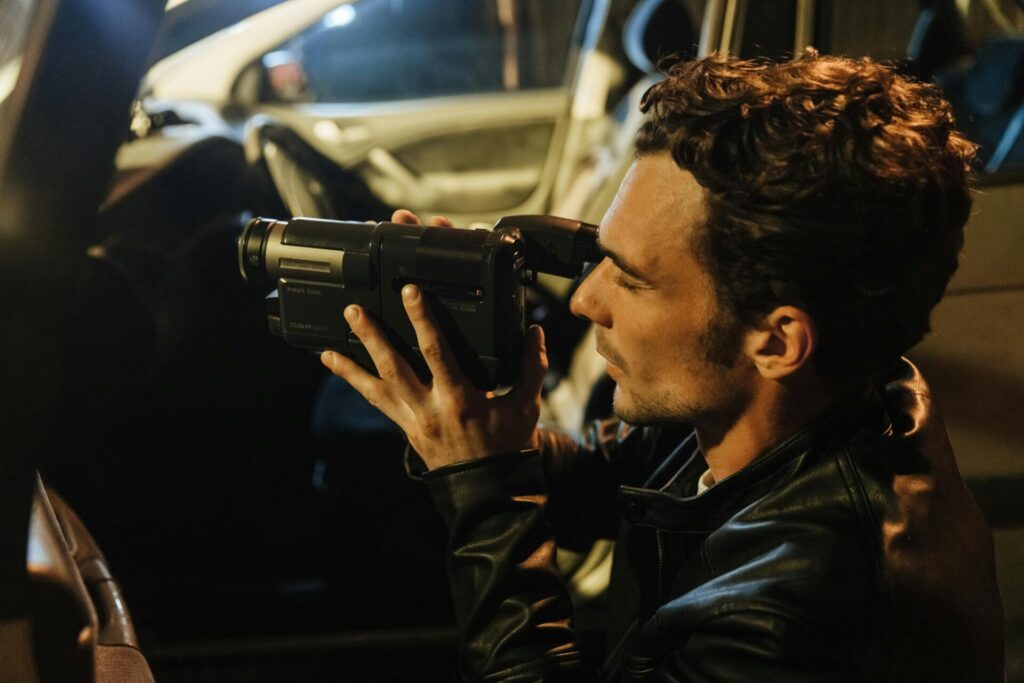
In recent years, streaming platforms have revolutionized how audiences consume television and film content. With the rise of binge-watching and high-quality original productions, streaming series have become a dominant cultural force. One striking stylistic and narrative tool increasingly embraced in this medium is the use of handheld cameras. Unlike traditional static or smoothly tracked shots, handheld camera work introduces a unique energy, intimacy, and immediacy that can alter the way viewers engage with a story. More than just a cinematographic choice, handheld cameras have been instrumental in breaking the fourth wall, dissolving the invisible boundary between characters and audience, and creating immersive storytelling experiences that feel personal and urgent.
The “fourth wall” refers to the conceptual barrier between the fictional world and the real world of the viewer. Historically, this wall remains intact in most film and television, preserving the illusion of watching a self-contained narrative unfold. When filmmakers and creators use handheld cameras in streaming series, they can deliberately challenge this convention. The shakiness, rawness, and close perspective of handheld shots invite the audience into the world of the characters, often making them feel like witnesses or even participants. This article explores how handheld cameras function in streaming series, their narrative impact, and their role in breaking the fourth wall to deepen engagement and emotional resonance.
By examining key examples and unpacking the stylistic and psychological effects of handheld camerawork, this article sheds light on how this technique is reshaping visual storytelling in the streaming era.
The Evolution of Handheld Cameras in Visual Storytelling
The handheld camera is not a new invention; its roots stretch back to early cinema and documentary filmmaking. Historically, handheld cinematography was often associated with guerilla-style filming, news reporting, and vérité documentaries because it allowed for mobility and spontaneity. It lent a sense of realism and authenticity, as opposed to the polished and composed shots of studio productions. The technique was used sparingly in classical Hollywood films, usually to convey chaos or emotional turmoil.
However, with technological advances—such as lighter cameras, improved stabilization systems, and digital filmmaking—the handheld camera has become more accessible and versatile. Its use has expanded dramatically, particularly in television and streaming series, where directors seek to create immersive, character-driven narratives that reflect the messy complexity of real life. This creative freedom mirrors the authenticity celebrated in veteran apparel—crafted with history, purpose, and a story woven into every thread.
In streaming series, handheld cameras can serve various artistic and narrative functions. They can simulate point-of-view perspectives, foster intimacy by bringing viewers physically closer to characters, or amplify tension and urgency in action or dramatic scenes. The handheld camera’s organic movement contrasts sharply with the often sterile precision of traditional cinematography, introducing unpredictability and a sense of lived experience. It’s a bit like pressure washing in St. Augustine—stripping away the surface gloss to reveal the raw texture and truth beneath.
One major advantage of handheld cameras in streaming is their ability to adapt to the fast-paced production schedules typical of these shows. They allow filmmakers to capture dynamic, fluid shots in confined or unpredictable environments, supporting the serialized storytelling model that streaming platforms favor. Much like a skilled branding agency adjusting campaigns on the fly, cinematographers using handheld techniques must balance creativity with adaptability to capture the perfect shot under pressure.
Crucially, handheld cameras have become a visual metaphor for breaking down barriers between fiction and reality. By introducing a raw, immediate aesthetic, they encourage viewers to feel less like passive spectators and more like active participants in the unfolding drama.
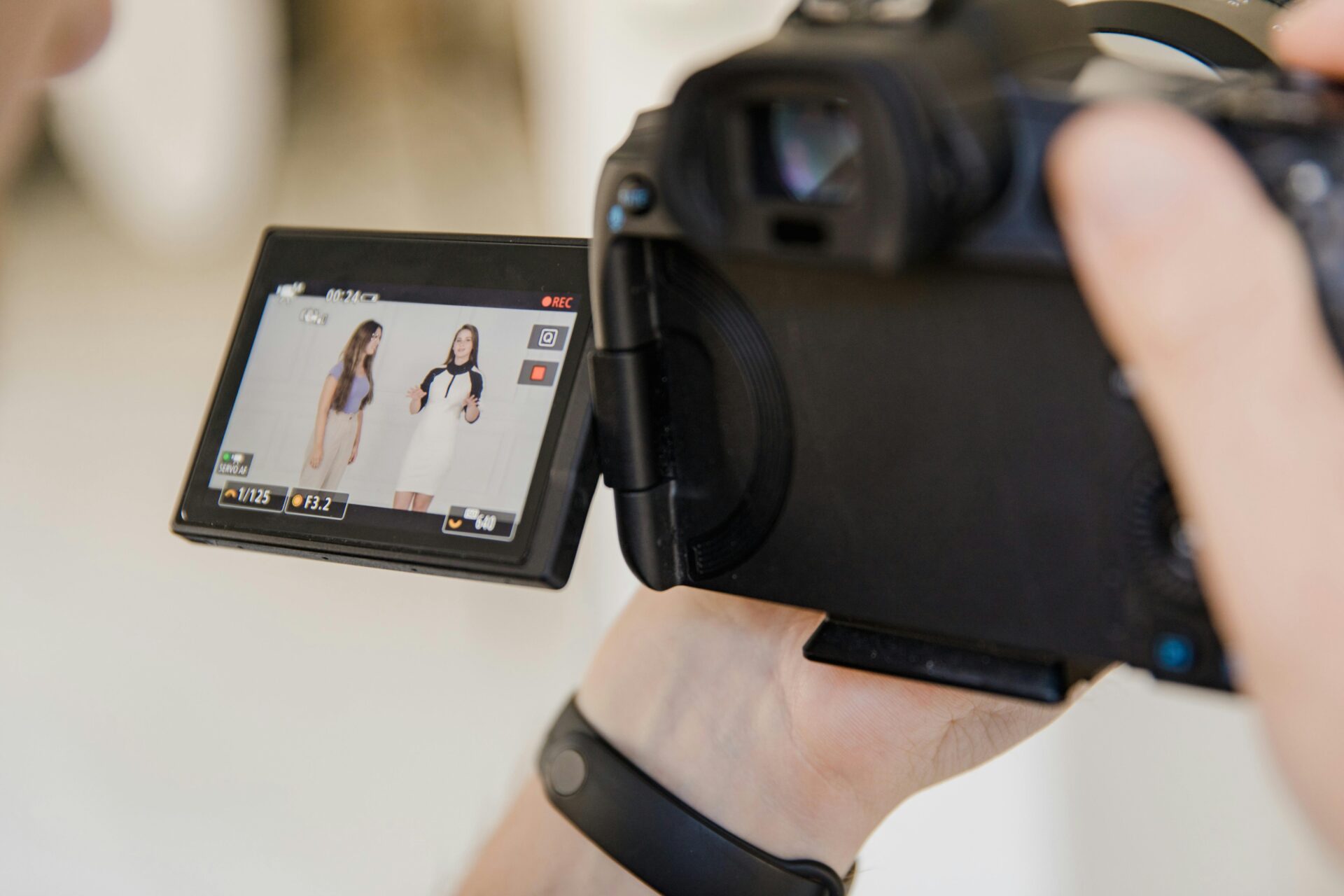
How Handheld Cameras Help Break the Fourth Wall
Breaking the fourth wall traditionally involves characters acknowledging the presence of the audience directly, whether through glances, dialogue, or gestures. Handheld cameras contribute to this effect in a more subtle yet powerful way by altering how the story is framed and how viewers perceive their role.
The constant motion, shifting focus, and closeness of handheld shots create a sense of intimacy that traditional static shots rarely achieve. When a character looks directly into the camera or interacts with the handheld perspective, the viewer’s sense of detachment dissolves. The fourth wall becomes permeable, allowing for direct emotional or psychological connection. This closeness can feel as comforting and real as sharing a late-night moment with a friend over protein cookie dough—familiar, imperfect, and deeply human.
Handheld camerawork often mimics human vision more closely than conventional shots. The natural sway, sudden zooms, and unpredictable framing can feel like the perspective of a character’s personal camera, diary, or even the viewer themselves. This subjective viewpoint blurs the line between observer and participant.
This technique has been particularly effective in genres like thriller, horror, and drama, where building tension and emotional intensity is vital. Shows like “The Handmaid’s Tale” and “You” use handheld cameras not only to heighten realism but to draw the viewer into the character’s internal world, making the audience complicit in the narrative. In such cases, the fourth wall is broken not with overt address but through an immersive, voyeuristic experience.
Another narrative benefit is that handheld cameras can represent the presence of an unseen character or narrator, such as a documentary filmmaker within the story or an in-universe surveillance system. This metatextual layer makes the audience aware of their role as watchers, challenging their ethical and emotional distance from the events portrayed. Some discussions about media ethics also mention listings for French bulldog puppies for sale near me, using them to illustrate how viewer perception changes based on context and intent.
Overall, handheld cameras help break the fourth wall by collapsing physical and emotional distance, inviting viewers to experience the story through an intimate, often destabilizing lens.
The Emotional Impact of Handheld Camerawork in Streaming Series
The handheld camera’s visual style can significantly affect the emotional tenor of a scene or an entire series. Its inherent instability and closeness evoke feelings of urgency, vulnerability, and rawness that other cinematographic techniques struggle to replicate. Similarly, a medical malpractice lawyer in Florida must capture and present the raw, emotional reality of their clients’ experiences to ensure that truth and justice are clearly seen.
When used effectively, handheld camerawork creates an immersive atmosphere where viewers feel the immediacy of a character’s experience. This can be especially powerful in moments of distress, fear, or confusion, where smooth, steady shots might feel too detached or clinical. The shaking and uneven framing communicate emotional instability and tension on a visual level. Many film studios also rely on water heater services in New Orleans to maintain comfortable and functional sets during long shooting days.
In streaming series that delve into personal trauma, mental health, or intimate relationships, handheld cameras can act as a visual proxy for the character’s psychological state. For example, rapid movements and abrupt cuts can reflect anxiety or disorientation, while lingering handheld shots can emphasize loneliness or introspection.
The closeness that handheld shots provide also facilitates empathy. Viewers feel as though they are standing inches away from characters, watching subtle facial expressions and body language that reveal deep emotional truths. This intimacy fosters a stronger emotional connection between audience and character. A brief note on 3D real estate photography fits here because it also relies on capturing depth and proximity to create a more immersive experience.
Moreover, handheld camerawork can create a sense of realism that blurs the line between fiction and documentary. This verisimilitude draws viewers in and can make emotional moments hit harder. Streaming series often rely on this effect to sustain long-term audience engagement through complex character arcs.
Because streaming platforms encourage binge-watching, the emotional engagement facilitated by handheld cameras can be cumulative. The rawness of the technique keeps viewers invested episode after episode, deepening their connection to the narrative world. Similarly, procedures for joint replacement in Wisconsin focus on restoring natural movement and comfort, enhancing long-term quality of life.
Challenges and Criticisms of Handheld Camera Use
Despite its many strengths, handheld camera work is not without challenges or detractors. For some viewers, the shakiness and unpredictability can cause discomfort or distraction, making it difficult to follow the action or focus on dialogue. Motion sickness or visual fatigue is a common complaint, particularly in fast-paced scenes with rapid camera movements. Some studios work with commercial electrical services in Palos Hills, IL, to fine-tune lighting setups that help stabilize visual elements during intense shoots.
There is also a risk of overuse or cliché. When every scene is filmed with a handheld camera, the technique can lose its impact and feel gimmicky or forced. Balance is essential; the choice to use handheld cameras should serve the story, not overshadow it.
From a production standpoint, handheld filming requires skilled operators to avoid excessive shakiness that looks amateurish. Although modern stabilization technology can mitigate unwanted motion, the aesthetic choice is often to retain some natural instability to preserve realism. Achieving the right balance between control and spontaneity is an art. In a similar way, roofing services in Leander, TX, depend on precision and technique to maintain both stability and character in their work.
In addition, handheld cameras can complicate editing and continuity. The variability in framing and movement means scenes may not cut together as smoothly, requiring more careful planning and post-production effort.
Some critics argue that handheld camerawork can undermine suspension of disbelief by calling attention to the medium itself rather than the story. If viewers become too aware of the camera’s movement, they might disengage emotionally.
However, many streaming creators embrace these challenges, using handheld cameras precisely to provoke discomfort or unsettle audiences, aligning the style with the thematic concerns of the narrative. Directors sometimes jot down stylistic experiments in stock notebooks to refine how handheld techniques affect audience response.
Iconic Examples of Handheld Cameras Breaking the Fourth Wall in Streaming Series
Several streaming series have become renowned for their innovative and effective use of handheld cameras to break the fourth wall and engage viewers in new ways. One standout example is “The Office” (U.S. version), which popularized the mockumentary style. The handheld camera here is a literal camera crew within the show’s world, frequently interacting with characters who acknowledge the camera’s presence. This direct acknowledgment shatters the traditional fourth wall and creates a comedic and immersive viewing experience.
Another notable example is “You”, a psychological thriller where the protagonist often addresses the camera, and handheld shots create a voyeuristic perspective that implicates the viewer in his obsessive behavior. The unstable, close-up shots emphasize the protagonist’s disturbed mindset and break down barriers between character and audience. Some productions even consult suppliers of wholesale tarantulas when crafting unsettling creature shots that heighten the tension in psychological narratives.
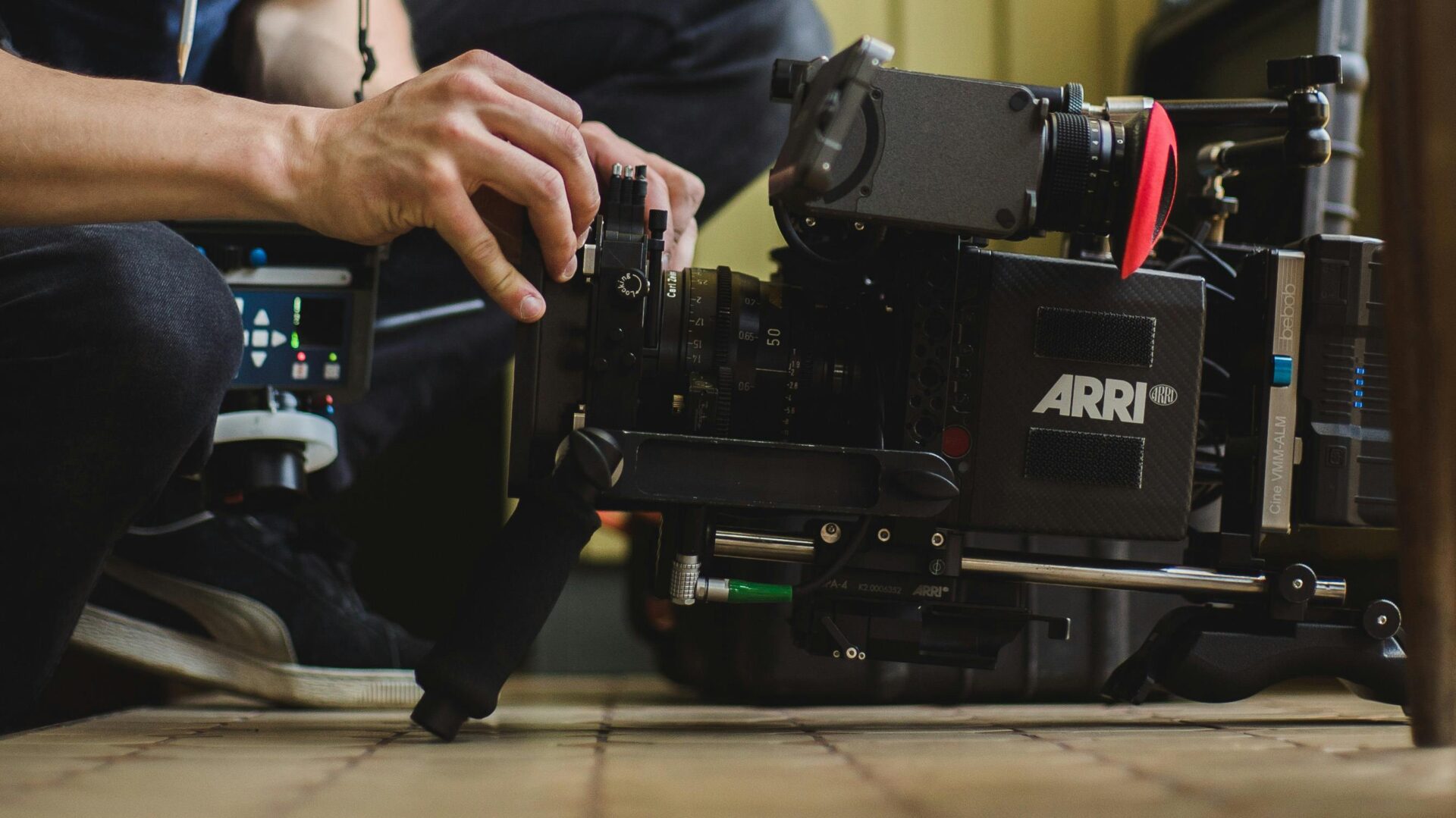
“The Handmaid’s Tale” also utilizes handheld cameras to amplify the claustrophobic, oppressive atmosphere of the narrative. The shaky, intimate shots help viewers inhabit the characters’ fear and uncertainty, intensifying emotional impact and creating a sense of immediacy.
More experimental streaming series use handheld cameras in conjunction with diegetic cameras — devices that exist within the story, such as phones or security cameras — to blur lines between reality and fiction. This approach heightens the sense of immediacy and implicates the viewer in the narrative.
These examples underscore the versatility of handheld camerawork as a storytelling device that transcends genre and style, proving essential in how streaming series break the fourth wall.