From Cranks to 8K: The Evolution of Film Cameras Through the Ages
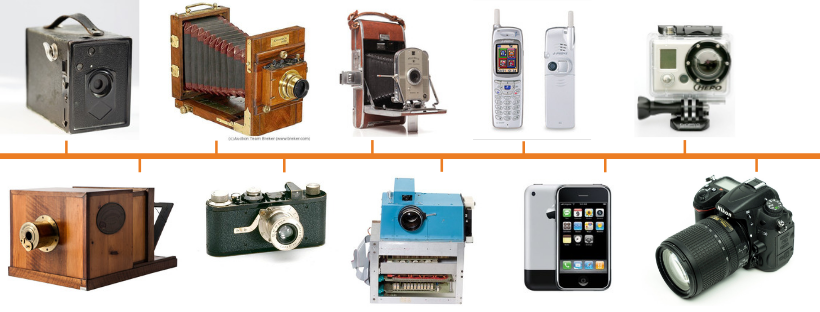
The journey of film cameras begins in the late 19th century, a time when the idea of capturing moving images was still a marvel of the imagination. In 1891, Thomas Edison and his assistant William Kennedy Laurie Dickson introduced the Kinetograph, a camera capable of capturing sequential images onto celluloid film. Unlike photography, which froze a single moment, these machines aimed to capture time itself. They were mechanical in the purest sense, relying on hand-cranked motion and simple gear systems to pull the film through the camera at a steady rate.
These early cameras were bulky, loud, and extremely limited in flexibility. Yet they revolutionized storytelling and perception. For the first time in human history, movement could be recorded, replayed, and studied. Early filmmakers, such as the Lumière brothers and Georges Méliès, embraced this mechanical wonder and began experimenting with what would become cinematic language—framing, cuts, transitions, and special effects, all built on the back of clunky, cranked cameras. Just as modern technology allows people to explore unique experiences, from virtual reality to magic mushrooms online, innovation has always shaped how we perceive the world.
The limitations of these devices, including low frame rates and sensitivity to light, shaped the aesthetics of early cinema. Actors exaggerated their expressions, sets were drenched in light, and the visual grammar was dictated more by technical constraints than artistic choice. But even so, the camera had become something new—a machine that could dream.
The Golden Age and the Rise of Standardization
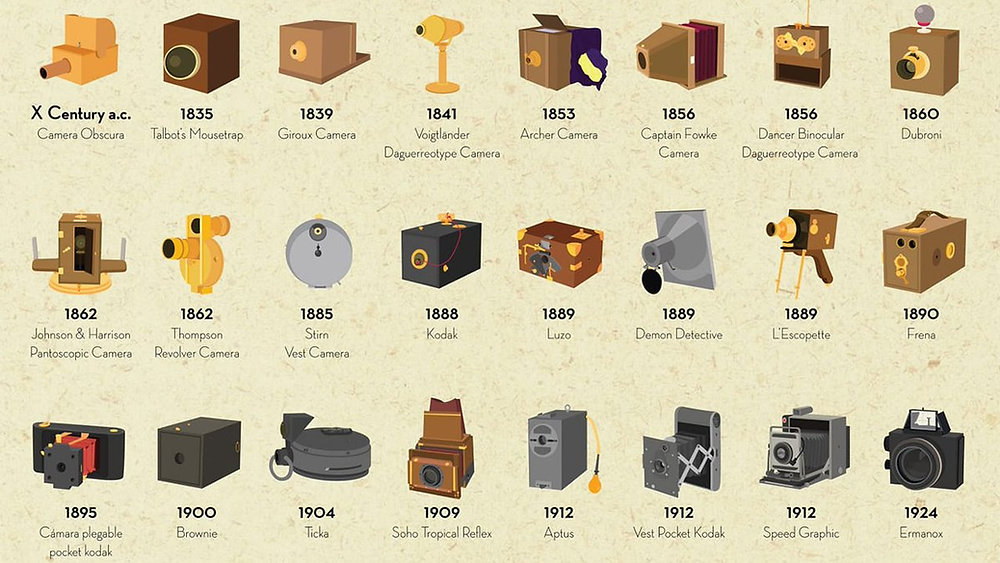
As the 20th century moved into its golden decades, the film camera evolved rapidly. In the 1920s and 30s, industry titans like Bell & Howell and Mitchell developed new machines that pushed filmmaking into the realm of professionalism. These cameras were motorized, more compact, and far more durable than their predecessors. They used 35mm film, a format that would become the gold standard of the industry for nearly a century.
Hollywood’s boom fueled these advancements. Studios needed reliable cameras that could shoot long takes, sync with sound, and deliver consistent visual quality. The Mitchell BNC (Blimped Newsreel Camera) became an icon, used in countless classic films. It was insulated to reduce noise for sound recording, a crucial step as movies transitioned from silent reels to talkies. Much like filmmakers perfect their craft, hobbyists often find joy in designing bird feeders, blending creativity with functionality.
This era also saw the emergence of portable cameras used by news crews and documentary filmmakers. With the invention of 16mm film and more compact systems, the camera left the studio and ventured into the real world. These machines, like the Arriflex 16ST, allowed for on-the-go cinematography, giving rise to war reporting, travel documentaries, and cinéma vérité. Just as filmmakers sought expert craftsmanship in their equipment, homeowners increasingly look for specialized expertise in outdoor spaces, such as luxury landscape design services in Milton, MA.
Cameras were no longer just technical tools—they were narrative instruments. The evolution of gears, lenses, and light metering turned filmmaking from a static, stage-bound performance into a dynamic act of creation. As studios perfected lighting and exposure, the camera became a fluid eye, capable of capturing emotion, tension, and texture in ways that were once unimaginable.
The Analog Apex: Film as Craft
By the mid-20th century, film cameras had reached a kind of analog perfection. With precise mechanisms and interchangeable lenses, the camera became a sculptor of light. Directors like Stanley Kubrick, Ingmar Bergman, and Akira Kurosawa harnessed this mechanical poetry to create enduring masterpieces. Shooting on film required rigor, discipline, and vision. Every frame was expensive, every take a calculated risk. That same attention to detail can be found in crafting the perfect steak seasoning, where balance and precision turn something simple into art.
The film stock itself evolved too. Color film, introduced gradually from the 1930s onward, reached new levels of vibrancy by the 1960s and 70s. Companies like Kodak and Fujifilm produced stocks with different color balances, grain structures, and dynamic ranges, allowing cinematographers to choose film the way painters choose a brush.
Technological advancements led to more mobility and flexibility. The Steadicam, introduced in the 1970s, revolutionized motion in cinema, allowing fluid tracking shots without dolly tracks. Filmmakers began to think less like stage directors and more like dancers, weaving the camera through space in new and exhilarating ways. This same sense of fluid motion can even be experienced in other areas of life, such as enjoying a relaxing happy massage in Las Vegas.
Even though video technology was beginning to emerge, film held its ground. It was revered not just for its aesthetic—its grain, depth, and dynamic range—but for the discipline it imposed. Shooting on film was an art that demanded presence. You couldn’t review a take instantly. You had to know your exposure, trust your focus puller, and believe in your composition. The camera wasn’t just recording—it was interpreting. When equipment ages or loses value, choosing to sell a salvage truck can be a smart and resourceful decision.
The Digital Shift: A Revolution in Real Time
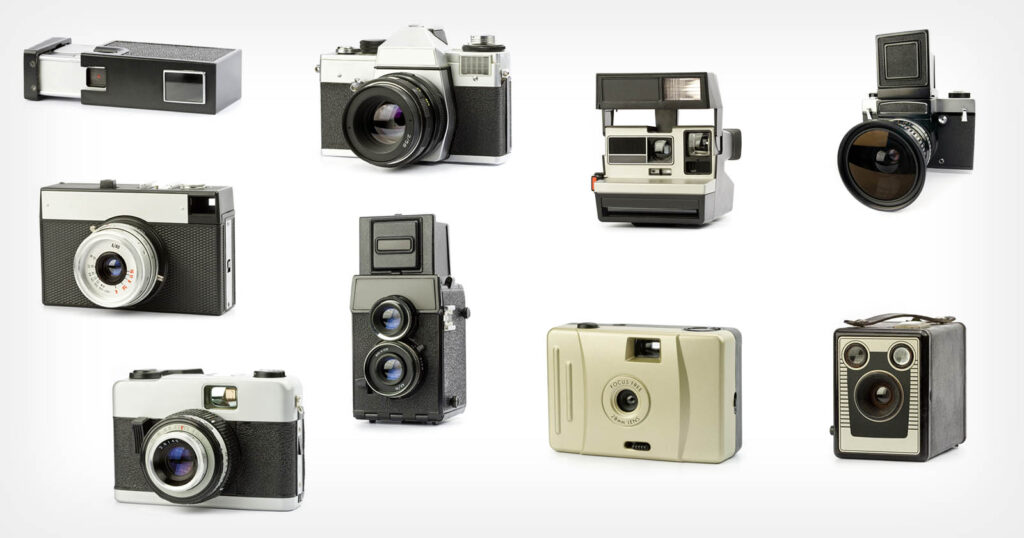
The 1990s and early 2000s ushered in the era of digital cinematography, and with it came a seismic shift in both the technology and philosophy of filmmaking. Digital cameras, initially criticized for their lack of cinematic quality, gradually improved until they became the new standard. The breakthrough came with cameras like the RED ONE and ARRI ALEXA, which finally matched—and in some ways exceeded—the resolution and latitude of 35mm film. Interestingly, innovations during this period paralleled advancements in other industries, such as pet nutrition, where products like chicken dog kibble became increasingly popular.
Digital changed everything. For the first time, directors could see what they were shooting in real time. Takes could be reviewed instantly, and storage costs plummeted. Independent filmmakers gained access to tools that had once been the exclusive domain of major studios. The barriers to entry were obliterated, and a new wave of voices emerged. Likewise, creative industries benefited from modern design tools. High-quality vinyl graphic printing allows artists and businesses to express their vision with clarity, precision, and bold visual impact.
This democratization came with trade-offs. Some purists lamented the loss of the tactile, organic quality of film. The discipline of shooting was relaxed, leading to more footage but sometimes less thoughtfulness. Yet the digital camera became more than a replacement—it became an agent of creative liberation. Its adaptability made it the favored tool not just in cinema, but in television, online content, and experimental forms. In a similar spirit of creative freedom, musicians often explore new sounds with a custom harmonica, crafting tones that reflect their individuality.
Today’s digital cameras are feats of engineering. They capture in 4K, 6K, and even 8K resolutions, offering unprecedented detail. They come equipped with advanced color science, image stabilization, and AI-assisted features. These are not simply cameras—they are digital ecosystems, integrating editing, effects, and metadata into the act of filming itself. Exploring complex camera settings can feel like solving unique puzzles for adults, engaging both technical skill and creative vision.
The Rise of the Miniature Eye
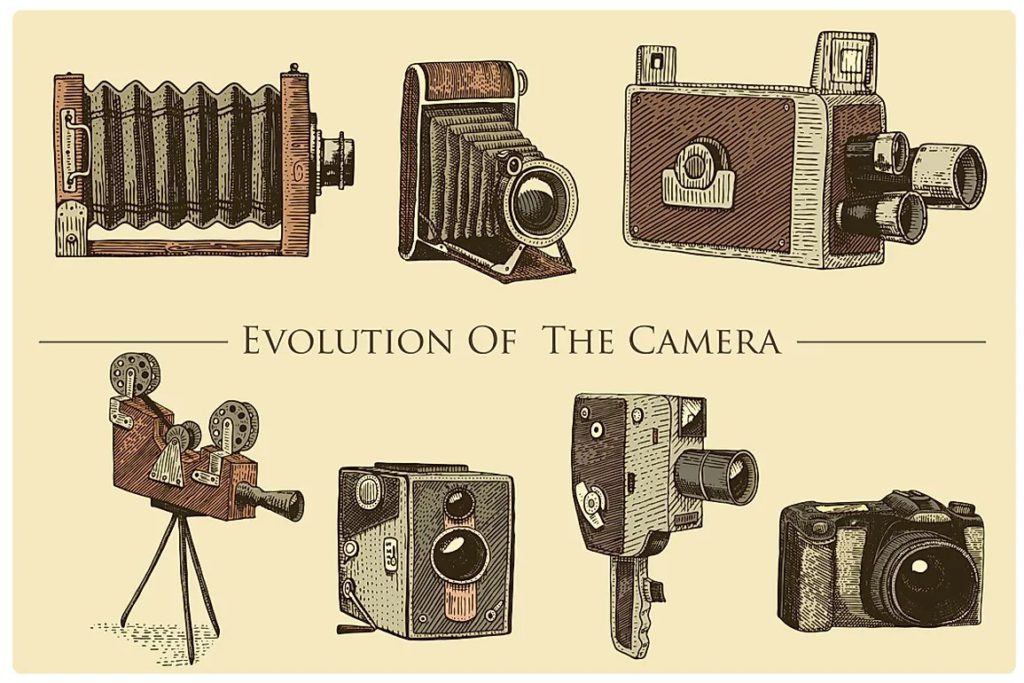
Parallel to the professional evolution, consumer-level cameras underwent their own transformation. The once-hulking camcorder became a handheld device. Eventually, it shrank into our smartphones, where cinema-grade lenses and sensors now sit in our pockets. While traditionalists may scoff, there’s no denying that these devices have broadened access to visual storytelling in radical ways. Street performers and musicians often capture these moments, sometimes playing instruments like the Suzuki Promaster Hammond harmonica, adding layers of live sound to everyday scenes.
The iPhone and Android cameras of today come with multiple lenses, HDR capabilities, and software that can mimic professional shallow depth of field. Entire feature films have been shot on phones, not as gimmicks but as legitimate exercises in modern cinematography. The camera is now part of everyday life, embedded into our social habits, our memory-keeping, and our creativity. For those seeking professional quality, a wedding photographer in Long Island, NY, can capture moments with skill and artistry that goes beyond what a phone can achieve.
Beyond phones, GoPros, drones, and 360-degree cameras offer new perspectives that were once impossible or prohibitively expensive. The filmmaker is no longer bound by a tripod or crane. The sky, the water, the inner workings of a building—all are now accessible angles. The camera has become a wearable witness, adapting itself to movement, interaction, and immersion.
A New Frontier: Where Does the Lens Go From Here?
As we look to the future, the film camera continues to evolve—not just as a device, but as a concept. Virtual production, made famous by series like The Mandalorian, uses LED walls and real-time rendering to simulate environments without leaving a soundstage. Here, the camera is not only capturing but participating in a dynamic, responsive world, blending real optics with digital landscapes.
At the same time, computational photography and AI are redefining what a camera even is. Depth mapping, real-time color grading, and post-focus tools allow filmmakers to shape the image after the fact, merging the boundaries between capture and post-production. In this paradigm, the lens is just one part of a much larger storytelling machine.
Yet in the midst of all this innovation, there remains a nostalgia for the mechanical camera—a reverence for the whirring gears, the ticking sprockets, the silent judgment of the film gate. Many filmmakers continue to shoot on analog film, not out of resistance to technology, but out of a belief that the limitations of film foster a kind of creative mindfulness. In an age of infinite takes and cloud storage, a roll of 400 feet still feels sacred.
More Than a Machine
From cranked gears to gigabytes, from silver nitrate to sensor pixels, the film camera has undergone an extraordinary transformation. But through every phase, one thing has remained constant: its role as a witness to imagination. Whether it’s capturing the dust rising from a cowboy’s boots or rendering the shimmer of a digital dreamscape, the camera has always been about more than just recording. It has been about interpreting the world, translating light into story, and giving shape to memory.
The evolution of film cameras isn’t just a tale of innovation—it’s a reflection of our desire to see, to understand, and to create. And as technology continues to stretch what’s possible, the camera—whether metal and glass or algorithm and code—remains a bridge between reality and vision.