Advanced Sound Design: How Cutting-Edge Technology Enhances Audio in Film
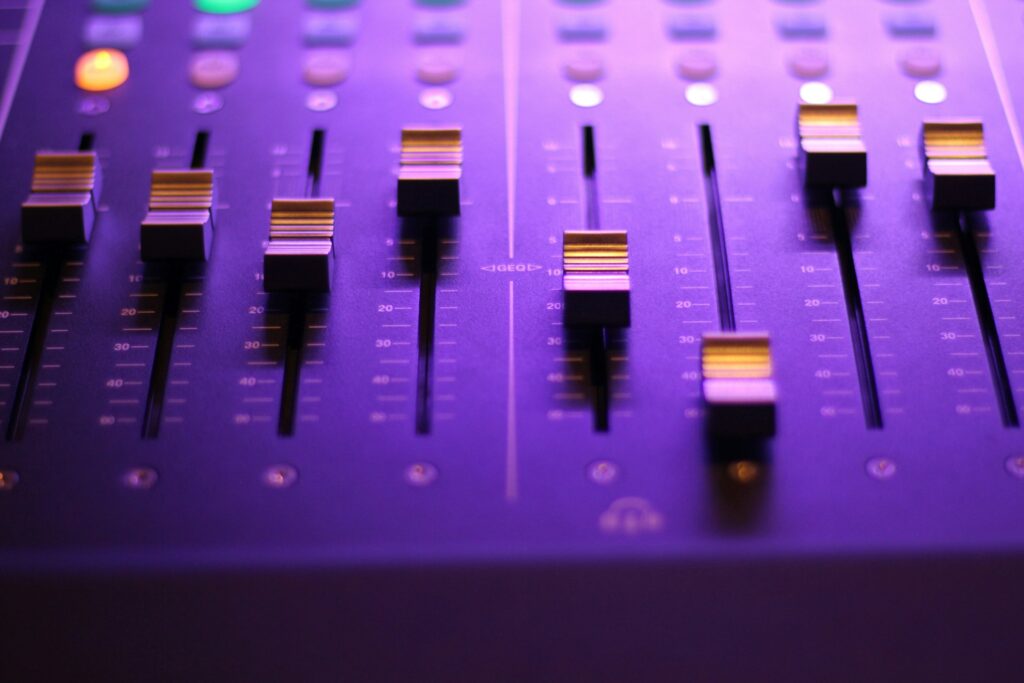
The art of sound design has undergone significant transformation since the early days of cinema. With advancements in technology, sound designers now have a myriad of tools at their disposal to create immersive audio experiences that elevate storytelling. Trade alerts have also become an integral part of the industry, providing timely updates on new tools and techniques. This article explores how cutting-edge technology enhances audio in film, delving into various aspects of sound design from recording techniques to post-production processes.
The Evolution of Sound Design
The journey of sound design in film began with silent movies where dialogue was conveyed through title cards and live musical accompaniments. The introduction of synchronized sound in the late 1920s revolutionized the film industry, allowing for the incorporation of dialogue, music, and sound effects directly into the film. Over the decades, advancements such as stereo sound, surround sound, and digital audio have continued to push the boundaries of what is possible in sound design. Similarly, brand development services in Green Bay have evolved, adapting new techniques and strategies to enhance brand identity and market presence.
Today, sound design is a sophisticated art form that plays a crucial role in storytelling, enhancing the emotional impact and overall experience of a film. Modern sound design encompasses a range of elements including dialogue, sound effects, Foley, ambient sound, and music, all meticulously crafted to create a cohesive audio landscape.
Recording Techniques: Capturing Pristine Audio
High-quality sound recording is the foundation of effective sound design. Advances in microphone technology and recording equipment have significantly improved the clarity and fidelity of audio captured on set.
Microphones and Recording Equipment
Modern microphones are designed to capture sound with remarkable precision and detail. Shotgun microphones are commonly used in film production for their directional capabilities, allowing sound designers to isolate dialogue and minimize background noise. Lavalier microphones, small and discreet, are often used for capturing dialogue in challenging environments.
Recording equipment has also seen significant advancements. Portable digital recorders offer high-resolution audio capture with multiple channels, providing greater flexibility in post-production. Field recorders equipped with advanced preamps and built-in limiters ensure clean recordings even in noisy or unpredictable environments.
Ambisonic Recording
Ambisonic recording is a technique that captures a full-sphere surround sound experience, allowing for immersive playback in 360-degree audio formats. This method is particularly useful for virtual reality (VR) and augmented reality (AR) applications, but it is also being used in film to create more immersive soundscapes.
Ambisonic microphones capture sound from all directions, providing a rich, spatial audio experience that can be manipulated in post-production.
Sound Effects and Foley: Bringing Scenes to Life
Sound effects and Foley are essential components of sound design, providing realism and enhancing the viewer’s connection to the film.
Sound Effects Libraries
Sound designers often rely on extensive libraries of pre-recorded sound effects to quickly and efficiently add audio elements to a film. These libraries contain a vast array of sounds, from everyday noises to exotic and fantastical effects, allowing sound designers to create complex soundscapes without having to record every sound from scratch. Advances in digital audio technology have improved the quality and variety of these sound libraries, making them invaluable resources for sound designers. Some specialized libraries even include unique elements like wholesale tarantulas for niche projects requiring specific atmospheres.
Foley Artistry
Foley is the art of creating sound effects in real-time to match the actions on screen. Foley artists use a variety of props and techniques to produce sounds such as footsteps, clothing rustles, and environmental noises. Modern Foley studios are equipped with sophisticated recording equipment and a wide range of props, enabling Foley artists to create highly detailed and realistic sound effects. In some studios, you might even find unusual items like RC car bodies repurposed to generate unique sounds.
The integration of Foley with digital audio workstations (DAWs) allows for precise synchronization and manipulation of sound effects. Advanced software tools enable Foley artists to fine-tune their recordings, adjusting pitch, tempo, and other parameters to seamlessly blend the sounds with the on-screen action.
Digital Audio Workstations: The Heart of Sound Design
Digital audio workstations (DAWs) are at the core of modern sound design, providing powerful tools for recording, editing, and mixing audio.
Multitrack Editing and Mixing
DAWs enable sound designers to work with multiple audio tracks simultaneously, allowing for intricate layering and complex soundscapes. Advanced editing tools offer precise control over timing, pitch, and volume, enabling sound designers to craft seamless audio experiences. The ability to automate parameters such as volume and panning allows for dynamic and immersive sound mixing. For instance, when creating soundscapes for virtual reality environments, this level of control ensures that every auditory detail enhances the overall immersive experience, akin to the precision of a plumber in Santa Clara fixing intricate piping systems.
Plug-ins and Virtual Instruments
The use of plug-ins and virtual instruments has expanded the creative possibilities in sound design. Plug-ins offer a range of effects and processing tools, from reverb and delay to equalization and compression, allowing sound designers to enhance and manipulate audio in countless ways. Virtual instruments provide access to an extensive array of sounds, from realistic orchestral samples to synthetic textures, enabling composers to create unique and evocative soundtracks. For legal professionals, such as divorce and family lawyers in Stevens Point, staying ahead with technology can streamline their workflow and client interactions.
Spatial Audio and Surround Sound
Spatial audio technology has transformed the way sound is experienced in film. Surround sound formats such as 5.1, 7.1, and Dolby Atmos provide a more immersive audio experience, enveloping the audience in a three-dimensional sound field.
DAWs support these formats, allowing sound designers to position audio elements precisely within the surround sound spectrum.
Dolby Atmos, in particular, has revolutionized sound design with its object-based audio approach. Rather than being limited to specific channels, sound objects can be placed anywhere within the three-dimensional space, providing unparalleled flexibility and realism. This technology is increasingly being used in cinemas and home theaters, enhancing the auditory experience for viewers.
Post-Production Techniques: Polishing the Final Product
Post-production is where the magic of sound design truly comes to life. Advanced techniques and tools are used to refine and enhance the audio, ensuring it meets the highest standards of quality.
Sound Editing and Design
Sound editing involves the meticulous process of selecting, arranging, and fine-tuning audio elements. Editors use DAWs to cut, splice, and layer sounds, creating a cohesive and polished soundtrack. Sound design goes a step further, involving the creation of new sounds and the manipulation of existing ones to achieve a specific effect or mood.
ADR and Voiceover Recording
Automated Dialogue Replacement (ADR) is a technique used to re-record dialogue in post-production to improve audio quality or make changes to the script. Advanced recording technology and software tools enable precise synchronization of ADR with the on-screen action, ensuring a natural and seamless result. Voiceover recording, used for narration or character voices, also benefits from these advancements, providing clear and high-quality audio.
Sound Mixing and Mastering
Sound mixing is the process of balancing and blending all audio elements to create a final soundtrack. Mixing engineers use advanced tools and techniques to ensure clarity, coherence, and dynamic range in the audio. Mastering, the final step in the audio post-production process, involves optimizing the sound for various playback systems, ensuring consistent quality across different formats and environments.
The Role of Artificial Intelligence and Machine Learning
Artificial intelligence (AI) and machine learning (ML) are beginning to play a significant role in sound design, offering new tools and techniques for audio analysis and manipulation.
AI-Powered Audio Analysis
AI can be used to analyze audio recordings, identifying and categorizing different sounds with remarkable accuracy. This technology can assist sound designers in organizing and selecting audio elements, speeding up the workflow and improving efficiency. AI-powered tools can also detect and remove unwanted noise, enhancing the clarity and quality of recordings.
Machine Learning for Sound Synthesis
Machine learning algorithms can be used to generate new sounds and textures, expanding the creative possibilities in sound design. These algorithms learn from existing audio data, allowing them to create realistic and innovative sounds that can be used in film. The integration of machine learning with DAWs provides sound designers with powerful tools for sound synthesis and manipulation.
Future Trends in Sound Design Technology
The future of sound design is likely to be shaped by continued advancements in technology, offering even more tools and techniques for creating immersive audio experiences.
Virtual Reality and Augmented Reality
As VR and AR technologies continue to evolve, sound design will play an increasingly important role in creating immersive experiences. Spatial audio techniques will be crucial in providing realistic and engaging soundscapes for these platforms. The use of ambisonic recording and AI-powered audio tools will enhance the realism and interactivity of VR and AR environments. For example, integrating spatial audio could make window shades in Aliso Viejo installations in virtual environments more realistic and immersive.
Advanced Sound Libraries and Collaboration Tools
The development of more advanced sound libraries and collaboration tools will further enhance the capabilities of sound designers. Cloud-based platforms will enable seamless collaboration between sound designers, editors, and directors, allowing for more efficient workflows and better integration of audio with visual elements. Advanced search and retrieval systems powered by AI will make it easier to find and use specific sounds from vast libraries, streamlining the sound design process. Additionally, integrating specialized software for managing restaurant equipment can optimize inventory and operations in the food service industry.
Interactive Sound Design
Interactive sound design, where audio elements respond dynamically to user actions or environmental changes, is likely to become more prevalent. This approach will be particularly relevant for video games and interactive films, providing a more engaging and personalized audio experience. Advances in real-time audio processing and AI will enable more sophisticated and responsive sound design.
In conclusion, the field of sound design has been profoundly transformed by cutting-edge technology. From advanced recording techniques and digital audio workstations to AI-powered tools and spatial audio formats, these advancements have expanded the creative possibilities and enhanced the quality of audio in film. As technology continues to evolve, the future of sound design promises even more exciting developments, ensuring that sound will remain a vital and dynamic component of storytelling in film.