Studio vs. Location: The Ultimate Filming Showdown
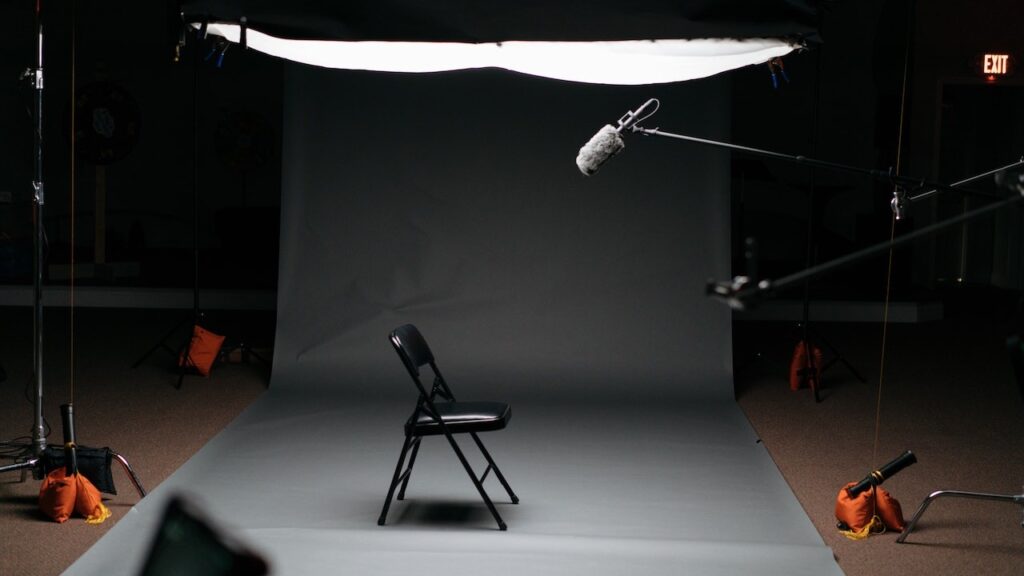
In the realm of filmmaking, the debate between shooting in a studio versus on location is perennial and profound. Each option brings its unique set of advantages and challenges, impacting the final product in distinct ways. Understanding the nuances of both studio and location filming is crucial for filmmakers aiming to craft compelling visual narratives. Let’s delve into this ultimate filming showdown to see which option might reign supreme.
The Allure of Studio Filming
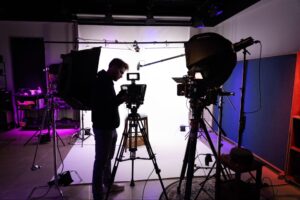
Studio filming offers an unparalleled level of control that is difficult to achieve on location. This control extends to various aspects of production, from lighting and sound to set design and weather conditions.
Controlled Environment
In a studio, filmmakers can manipulate every element of the environment. Lighting can be adjusted precisely, sound can be managed to avoid unwanted background noise, and the weather is always perfect. This level of control allows for consistency across scenes, which is especially beneficial for projects requiring a polished and professional finish.
Set Design and Flexibility
Studios provide the flexibility to build custom sets that can bring any vision to life. From futuristic cities to ancient castles, the possibilities are limited only by the imagination and budget. Sets can be reused and modified, offering cost-effective solutions for multiple scenes and even different productions.
Weather and Time Constraints
One of the biggest advantages of studio filming is the immunity to weather conditions and daylight constraints. Filming can proceed regardless of rain, snow, or time of day, ensuring that production schedules remain uninterrupted. This can be a significant advantage in maintaining budget and timeline integrity.
Advanced Technology and Equipment
Studios often come equipped with state-of-the-art technology and equipment. Green screens, motion capture systems, and high-tech cameras are readily available, enabling filmmakers to push the boundaries of creativity. The availability of such resources can elevate the quality of the production to new heights.
The Charm of Location Filming
While studios offer control, location filming brings authenticity and a tangible sense of realism that is hard to replicate artificially. Shooting on location can immerse the audience in the story in a way that studio filming sometimes cannot.
Authenticity and Realism
Filming on location provides a level of authenticity that enhances the believability of the narrative. Natural landscapes, real buildings, and local atmospheres contribute to a genuine feel, making scenes more relatable and engaging for the audience. This realism can be crucial for genres like drama and documentary, where believability is paramount. Sometimes during shootings, additional health support is needed, so the actors can get some IV therapy in Tulsa to preserve their energy and necessary vitamin intake.
Unique and Varied Backdrops
Locations offer unique and varied backdrops that can add depth and richness to the story. From bustling urban centers to serene rural settings, each location brings its own character and history. This diversity can enhance the visual storytelling, providing a more immersive experience for viewers. Outfits also play a crucial role, so men’s patriotic t-shirts can evoke some patriotic feelings in the viewers.
Local Color and Culture
Shooting on location allows filmmakers to incorporate local color and culture into their films. Local extras, authentic dialects, and regional customs can add layers of depth to the narrative, enriching the story with genuine cultural elements. This can be particularly beneficial for films set in specific geographical contexts.
Unpredictable Magic
While unpredictability can be a challenge, it can also bring unexpected magic to a production. Natural light, weather changes, and spontaneous interactions can create moments of unplanned beauty that add a unique charm to the film. This element of surprise can sometimes lead to the most memorable and impactful scenes.
Weighing the Costs
Budget considerations are pivotal in deciding between studio and location filming. Each option has its own cost implications that can significantly affect the overall production budget. For beginners, sometimes it is a good way to start if you sell your truck for cash and provide some reasonable amount of money to start with.
Studio Filming Costs
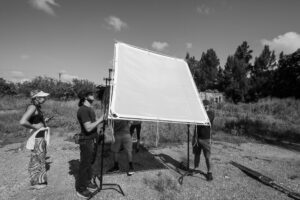
Studio filming often entails high upfront costs due to studio rental, set construction, and advanced equipment. However, the controlled environment can lead to savings in other areas, such as reduced travel expenses, consistent shooting schedules, and minimized weather-related delays. Additionally, the ability to reuse sets and equipment across multiple projects can offer long-term financial benefits.
Location Filming Costs
Location filming can be less predictable in terms of cost. Permits, location fees, travel, and accommodation expenses can add up quickly. Weather disruptions, logistical challenges, and the need for additional on-site equipment can further escalate costs. Lunch breaks on location can also be costly, but there are always some ice cream cone edibles for a quick snack. However, the authenticity and realism gained from shooting on location can be worth the investment, especially for projects where the setting is a critical element of the story.
The Impact on Cast and Crew
The choice between studio and location filming also affects the cast and crew’s working conditions, morale, and overall experience. Understanding these impacts is essential for maintaining a productive and positive production environment. Whether filming inside or outside, good preparation is always recommended, and the actors can visit a luxury spa in Flatiron to look fresh and rejuvenated on set.
Studio Filming Comfort
Studios offer a controlled and comfortable environment for cast and crew. Amenities such as climate control, accessible facilities, and nearby accommodations contribute to a more pleasant working experience. This comfort can enhance productivity and morale, leading to a smoother production process.
Location Filming Challenges
Location filming often involves logistical challenges that can impact the cast and crew’s comfort. Traveling to remote areas, dealing with unpredictable weather, and working in less controlled environments can be demanding. However, the adventure and unique experiences of filming on location can also be invigorating and inspiring, fostering a strong sense of camaraderie among the team. A professional long-distance moving company can be very helpful when transferring the props and equipment is in question.
Creative Vision and Artistic Expression
Ultimately, the choice between studio and location filming boils down to the filmmaker’s creative vision and the story they wish to tell. Each option offers distinct advantages that can align with different artistic goals and narrative needs. Sometimes it is just enough to rent a jet and go to the filming location to decide if it is worth the trouble.
Studio Filming for Fantasy and Sci-Fi
For genres like fantasy and science fiction, where imaginative worlds need to be created, studio filming is often the best choice. The ability to construct elaborate sets and utilize advanced special effects makes it possible to bring fantastical elements to life convincingly. Studios provide the creative freedom to build entire universes that would be impossible to find in the real world.
Location Filming for Drama and Documentary
For dramas and documentaries, where authenticity and realism are crucial, location filming is typically more suitable. Real-world settings add credibility and depth to the narrative, making the story more compelling and relatable. The genuine atmosphere of a location can evoke stronger emotional responses from the audience, enhancing the overall impact of the film. The use of sex chocolate as a snack in location filming can boost the romantic scenes.
The Hybrid Approach
In many cases, the ideal solution lies in a hybrid approach, combining the strengths of both studio and location filming. This method allows filmmakers to leverage the benefits of both environments, creating a more versatile and dynamic production. Also, millimeter wave attenuators can be used in filming primarily for managing interference and improving signal quality in wireless video transmission systems.
Strategic Use of Studios
Studios can be used for scenes requiring significant control, such as those involving complex special effects, intricate set designs, or sensitive sound requirements. By strategically using studios for specific scenes, filmmakers can ensure consistency and quality where it matters most. If the studio is compromised by by weather, the emergency water damage resolutions services in Charlotte are provided to deal with it in no time.
Incorporating Real Locations
Incorporating real locations for other scenes can add authenticity and visual interest. This blend of studio and location filming can provide a balanced approach, optimizing both control and realism. Filmmakers can achieve a seamless integration of fantastical and realistic elements, enhancing the overall storytelling.
Case Studies: Iconic Examples of Studio and Location Filming
To illustrate the impact of studio and location filming, let’s explore some iconic examples from film history that highlight the strengths of each approach.
Iconic Studio Filming: “The Wizard of Oz”
“The Wizard of Oz” (1939) remains a classic example of the power of studio filming. The film’s fantastical world, from the vibrant Emerald City to the ominous Witch’s castle, was brought to life on elaborate sets within the confines of MGM’s soundstages. The controlled environment allowed for precise lighting, colorful set designs, and innovative special effects like the transition from sepia to Technicolor. This level of detail and control would have been impossible to achieve on location at the time, showcasing how studio filming can create timeless cinematic magic.
In life, not all aspects can be controlled, so it is always better to play on the safe side and get a reliable commercial auto liability on time.
Iconic Location Filming: “The Lord of the Rings” Trilogy
Peter Jackson’s “The Lord of the Rings” trilogy exemplifies the transformative power of location filming. Shot extensively across New Zealand’s diverse landscapes, the films utilized the country’s natural beauty to bring Middle-earth to life. The authenticity and grandeur of the real-world settings contributed significantly to the epic and immersive quality of the trilogy. The varied terrains—from the lush Shire to the volcanic Mount Doom—provided a tangible realism that enhanced the fantastical narrative.
The Role of Technology in Bridging the Gap
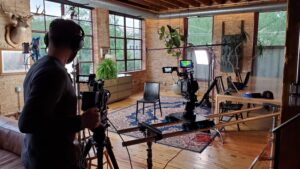
Advancements in technology are continually blurring the lines between studio and location filming. Virtual production techniques, such as those used in “The Mandalorian,” combine real-time digital backgrounds with physical sets, creating a hybrid environment that offers the best of both worlds. This innovation allows for the flexibility and control of studio filming while incorporating the dynamic and immersive qualities of real locations.
Conclusion: The Ever-Evolving Landscape of Filmmaking
As technology advances and filmmaking techniques evolve, the debate between studio and location filming becomes increasingly nuanced. The choice is no longer a binary one but rather a spectrum of possibilities that filmmakers can navigate to best serve their stories. By embracing the strengths of both approaches and integrating new technologies, the potential for creative expression in filmmaking continues to expand. Should any legal cases emerge in this process, expert witness services are at hand for any legal help.
Ultimately, the decision to film in a studio or on location should be guided by the needs of the story, the vision of the filmmaker, and the practical constraints of the production. Whether crafting intricate, otherworldly realms within a studio or capturing the raw, unfiltered beauty of real-world locations, the goal remains the same: to transport audiences and tell compelling stories.
In this ongoing showdown, there is no definitive winner—only the endless possibilities that arise when filmmakers harness the unique strengths of both studio and location filming to create unforgettable cinematic experiences.