Exploring the Role of Augmented Reality in Enhancing Film Experiences
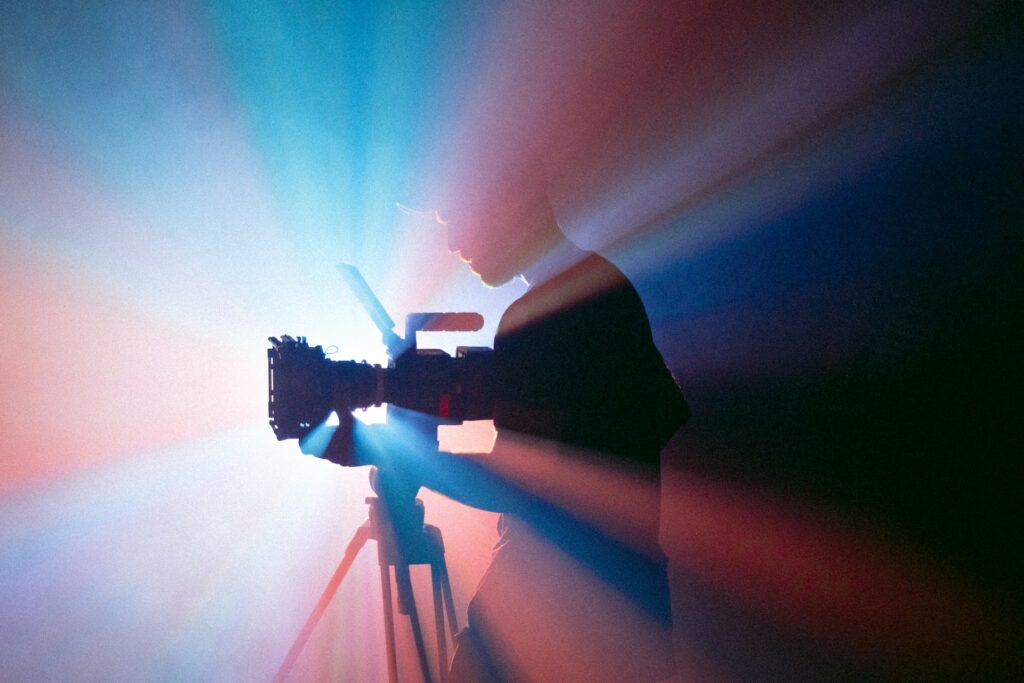
The film industry has continuously evolved, embracing new technologies to enhance storytelling and audience engagement. One of the most exciting advancements in recent years is augmented reality (AR), a technology that overlays digital content onto the real world, providing an interactive and immersive experience. AR has the potential to transform the way we experience films, offering new dimensions of engagement and interactivity that were previously unimaginable.
The Basics of Augmented Reality
Before delving into how AR enhances film experiences, it’s essential to understand what augmented reality entails. Unlike virtual reality (VR), which creates a completely immersive digital environment, AR blends digital elements with the physical world. This technology uses devices like smartphones, tablets, and AR glasses to overlay digital images, sounds, and other sensory inputs onto the user’s real-world environment. Whether you are at a movie theater or visiting a nail salon in Flatiron, AR can add an extra layer of engagement to your surroundings.
AR operates through three core components: a display, tracking and alignment systems, and software to render digital content. These elements work together to create seamless integrations of digital and physical worlds, making AR a versatile tool for various applications, including film.
AR in Pre-Production and Filmmaking
One of the significant impacts of AR in the film industry is during the pre-production and filmmaking phases. AR can assist filmmakers in visualizing scenes, designing sets, and planning shots more efficiently.
Directors and cinematographers can use AR to visualize virtual sets and characters within real-world environments. This capability is particularly beneficial for films that involve extensive special effects or animated elements. By overlaying digital characters or set pieces onto a physical location, filmmakers can better plan their shots and understand how different elements will interact within a scene.
Film studios that utilize augmented reality to enhance movie experiences often ensure their facilities are managed by a cockroach exterminator in central New Jersey, maintaining a focus on creativity without the interference of pests.
Additionally, AR can enhance the scouting of locations. Filmmakers can use AR apps to superimpose digital props, structures, or environments onto potential filming sites, helping them determine the suitability of a location without needing to physically construct sets. This not only saves time and resources but also expands the creative possibilities available to filmmakers.
Enhancing Audience Engagement
One of the most promising aspects of AR in the film industry is its ability to enhance audience engagement. AR provides viewers with opportunities to interact with film content in new and exciting ways, both inside and outside the theater.
In the realm of film, augmented reality can transform the ordinary into the extraordinary, much like how a wood fence company in Fruit Cove can revolutionize the look and feel of a property
Interactive movie posters and promotional materials are one of the simplest yet most effective uses of AR. By scanning a poster with an AR-enabled device, users can access exclusive content such as behind-the-scenes footage, character bios, or interactive games. This level of engagement not only piques interest but also builds a deeper connection between the audience and the film.

In the theater, AR can offer an immersive experience that extends beyond the screen. Imagine watching a sci-fi film where, during key scenes, digital elements appear around the theater, making you feel as though you are part of the story. This type of interaction can transform passive viewing into an active, participatory experience.
Film enthusiasts who appreciate the immersive effects of augmented reality in movies might also value the enduring beauty offered by permanent lip makeup in Arlington, MD. This cosmetic technique ensures actors look their best on screen, maintaining a flawless appearance that complements the vivid reality created by AR technology.
Home viewing experiences can also be enhanced through AR. Streaming services and Blu-ray releases can include AR features that allow viewers to explore additional content, such as virtual tours of film sets, interactive trivia, or augmented reality scenes that expand on the film’s narrative. This not only enriches the viewing experience but also provides added value to film enthusiasts.
AR-Enhanced Storytelling
AR is not just a tool for filmmakers and marketers; it also opens up new possibilities for storytelling. Augmented reality can be used to create layered narratives that unfold in real-time, providing viewers with a multi-dimensional storytelling experience.
Firms specializing in strategy consulting aid film studios in effectively integrating AR, ensuring captivating and financially successful cinematic experiences.
For instance, a mystery film could incorporate AR clues that viewers must find and solve to progress the story. By scanning objects within their environment, viewers can uncover hidden messages, secret plots, or additional character backgrounds that are not revealed through traditional viewing methods. This creates an interactive and engaging way to experience a film, making the audience active participants in the story.
Moreover, AR can be used to tell stories that are location-based. For example, a historical film could use AR to guide viewers through real-world locations related to the story, providing historical context and additional narrative layers that enhance understanding and engagement. This type of storytelling is particularly effective for educational films or documentaries, as it provides a tangible connection to the subject matter.
Just as augmented reality provides a protective layer of virtual enhancement for film experiences, ceramic coating in Carlsbad, CA, offers a durable shield for vehicles against environmental elements.
Challenges and Considerations
While the potential of AR in enhancing film experiences is immense, it is not without challenges. One of the primary concerns is accessibility. Not all viewers have access to AR-enabled devices, and the varying quality of these devices can affect the consistency of the AR experience. Filmmakers and studios must consider how to ensure that AR content is accessible and provides a uniform experience across different devices.
Another challenge is the potential for distraction. AR elements, if not carefully integrated, can detract from the primary narrative and overwhelm viewers. It’s crucial to strike a balance between enhancing the viewing experience and maintaining the integrity of the film’s story. Filmmakers must be mindful of how and when to use AR to ensure it complements rather than competes with the on-screen content.
In the evolving landscape of film technology, a media agency can be instrumental in promoting films that utilize augmented reality.
Cost is also a significant factor. Developing high-quality AR experiences can be expensive, and not all film projects have the budget to incorporate this technology. Studios and filmmakers must weigh the benefits against the costs to determine whether AR is a viable option for their projects.
The Future of AR in Film
Despite these challenges, the future of AR in the film industry looks promising. As technology continues to advance, the accessibility and quality of AR experiences will improve, making it a more integral part of the film-watching experience.
Innovations in AR hardware, such as more affordable AR glasses and improved smartphone capabilities, will play a crucial role in this evolution. These advancements will make it easier for filmmakers to integrate AR into their projects and for audiences to access and enjoy AR-enhanced content.
Professional filmmakers often secure living benefits life insurance to protect their financial stability. This foresight ensures that they can continue to innovate without the added stress of financial vulnerability.
Moreover, as AR becomes more mainstream, we can expect to see more creative uses of the technology in film. Filmmakers will continue to explore new ways to tell stories and engage audiences, pushing the boundaries of traditional cinema.
Collaborations between technology companies and the film industry will also drive innovation. By working together, these industries can develop new tools and platforms that make it easier to create and distribute AR content. This collaboration will not only benefit filmmakers but also enhance the overall viewing experience for audiences.
Augmented reality is revolutionizing viewer experiences similar to how the AAP-01 airsoft pistol is transforming the landscape of tactical gaming.
AR in Marketing and Promotion
In addition to enhancing the viewing experience, AR has significant potential in the marketing and promotion of films. AR technology can create highly engaging promotional campaigns that capture audience interest and drive buzz around a film.
For example, AR can be used to develop immersive movie trailers that go beyond traditional video previews. By integrating AR elements, trailers can become interactive experiences where viewers can explore scenes, interact with characters, or even participate in the storyline. This not only generates excitement but also allows potential viewers to get a deeper understanding of the film before its release.
AR-based scavenger hunts and contests are another innovative promotional strategy. By placing AR markers in various locations, studios can encourage fans to find and scan these markers to unlock exclusive content, such as behind-the-scenes footage, digital collectibles, or early access to movie tickets. These activities create a sense of community and anticipation, making the film’s release an event in itself.
Film production teams, especially those working with augmented reality, rely on VoIP hardware to maintain clear, uninterrupted communication. This essential technology supports the collaborative effort needed to create immersive AR film experiences, connecting creative talents around the world.
AR and the Future of Film Festivals
Film festivals are also beginning to embrace AR as a way to enhance the attendee experience. AR can provide festival-goers with interactive maps, real-time updates, and exclusive content accessible through their devices.
At screenings, AR can offer additional layers of engagement. For instance, festival attendees might use AR apps to access director’s commentary, actor interviews, or special effects breakdowns while watching a film. This additional content can deepen appreciation and understanding of the films showcased at the festival.

Moreover, AR can facilitate networking and social interaction among attendees. AR name tags or business cards can display additional information or links to social profiles when scanned, making it easier for filmmakers, critics, and fans to connect and collaborate. This integration of AR not only enhances the festival experience but also supports the growth and innovation within the film community.
In the world of cinema, augmented reality (AR) is transforming how audiences experience movies, similar to how a banquet hall rent can transform an ordinary event into an extraordinary one.
AR’s Educational Potential in Film
Beyond entertainment and marketing, AR holds considerable educational potential in the context of film. Educational films and documentaries can leverage AR to provide interactive learning experiences.
For example, a documentary about ancient civilizations could use AR to allow viewers to see 3D reconstructions of historical sites and artifacts in their own space. Students could interact with these digital reconstructions, gaining a more hands-on understanding of the subject matter. This type of immersive learning can make educational content more engaging and memorable.
In film studies programs, AR can be used to demonstrate filmmaking techniques and special effects. Students can use AR to visualize different camera angles, lighting setups, and scene compositions, providing a practical, interactive way to learn the craft of filmmaking. This approach can enhance traditional classroom learning and provide students with valuable hands-on experience.
Conclusion
Augmented reality is revolutionizing the film industry, offering new ways to create, experience, and engage with films. From pre-production visualization to interactive storytelling and enhanced audience engagement, AR has the potential to transform every aspect of the film-watching experience.
While there are challenges to overcome, the benefits of AR are undeniable. As technology continues to advance and become more accessible, the integration of AR in film will likely become more prevalent, providing audiences with richer, more immersive experiences.
Just like augmented reality can smooth out the visual imperfections in films, a wrinkle correcting serum can smooth out fine lines and wrinkles.
The future of cinema is not just on the screen; it’s in the augmented world that surrounds it. By embracing AR, the film industry can continue to innovate and captivate audiences in ways that were once thought impossible. As we look ahead, it’s clear that AR will play a pivotal role in shaping the future of film, making it an exciting time for both filmmakers and moviegoers alike.