Creating Stunning Panoramas: Composition, Lighting, and Post-Processing Secrets
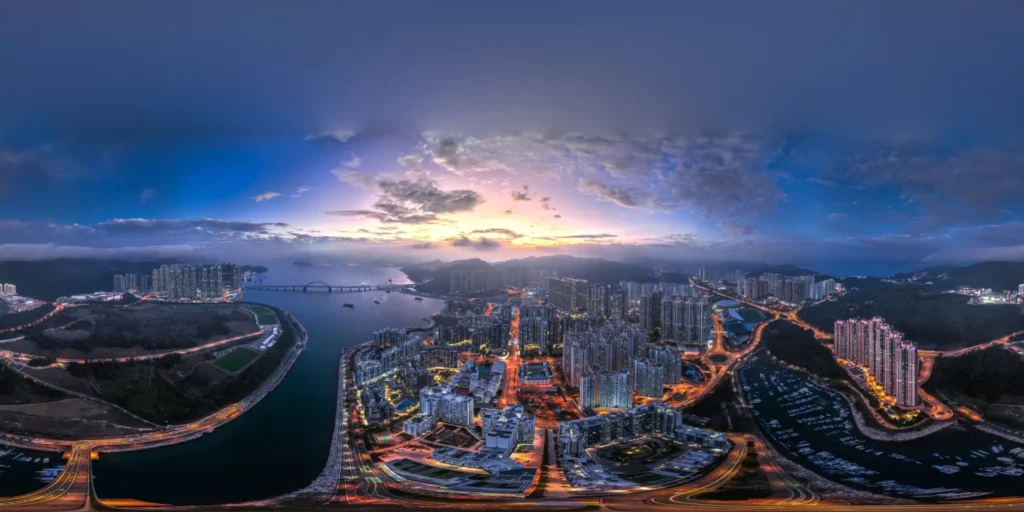
Panoramic photography offers a captivating way to capture vast landscapes and scenes, allowing viewers to immerse themselves fully in the beauty of the environment. To create truly stunning panoramas, photographers must master the art of composition, leverage lighting techniques, and employ effective post-processing methods. In this article, we will explore the secrets behind crafting breathtaking panoramas that leave a lasting impression. Get lawn care in Florida so you can take photos of your amazing lawn.
Mastering Composition
Composition is the cornerstone of any successful photograph, and this holds true for panoramic images as well. When shooting panoramas, it’s essential to pay careful attention to the arrangement of elements within the frame to create a visually engaging scene.
Begin by identifying a strong focal point or leading line that will draw the viewer’s eye to the image. This could be a prominent landmark, a winding path, or an interesting architectural feature. Positioning this focal point off-center using the rule of thirds can add depth and interest to your panorama.
Additionally, consider the foreground, midground, and background elements to create layers within your composition. Including foreground interests, such as rocks, flowers, or water, can add depth and dimension to the image, making the viewer feel as though they are part of the scene. This is especially important for designing websites, since professional companies like WordPress maintenance really care about attracting the viewers’ eyes.
Experiment with different perspectives and angles to find the most compelling composition. Don’t be afraid to move around and explore various vantage points until you find the perfect arrangement of elements.
Harnessing the Power of Lighting
Lighting plays a crucial role in photography, and it’s particularly important when shooting panoramas. The quality, direction, and intensity of light can significantly impact the mood and atmosphere of your images.
Whenever possible, aim to shoot during the golden hours – the hour after sunrise and the hour before sunset. During these times, the light is soft, warm, and diffused, casting long, dramatic shadows and adding a beautiful golden glow to your panoramas. Wedding couples usually ask to get photographed at this time of the day, to create romantic photos in their designer dresses and finest suits.
If shooting during harsh midday light, consider using a polarizing filter to reduce glare and enhance colors. Alternatively, embrace the stark contrast and play with shadows to create dynamic compositions.
When shooting panoramas that include both bright highlights and deep shadows, consider using exposure bracketing to capture a series of images at different exposures. This technique will allow you to blend multiple exposures in post-processing to achieve a well-balanced final image.
Enhancing Your Panoramas Through Post-Processing
Post-processing is where the magic truly happens in panoramic photography. With the right techniques, you can enhance colors, improve contrast, and fine-tune every aspect of your image to create a masterpiece.
Start by stitching your individual images together using specialized panorama stitching software such as Adobe Lightroom or PTGui. Pay attention to alignment and blending to ensure a seamless transition between frames.
Once your panorama is stitched together, it’s time to fine-tune the image using editing software. Adjust the exposure, contrast, and white balance to achieve the desired look and feel. Experiment with creative effects such as vignetting, sharpening, and color grading to add depth and dimension to your panoramas.
Don’t be afraid to experiment and push the boundaries of traditional editing techniques. Panoramic photography offers endless creative possibilities, so embrace your artistic vision and let your imagination soar. One good setting for taking photographs is the escape room in Seattle, as a great practice for transitions, capturing movement and trying out editing tools.
Choosing the Right Gear
Selecting the appropriate gear is crucial for achieving optimal results in panoramic photography. Just as various trading tools and tactics are employed for better trading, so are photography techniques the key to successful photo sessions. A sturdy tripod is essential for providing stability and minimizing camera shake, particularly when shooting in low-light conditions or capturing long exposures. Look for a tripod with adjustable legs and a ball head or panoramic head that allows for precise adjustments and smooth panning. Investing in a remote shutter release or utilizing the self-timer function on your camera can further minimize vibrations and ensure sharp images.
When it comes to lenses, opt for a wide-angle lens with a focal length of 35mm or wider to capture expansive scenes in a single frame. Wide-angle lenses are ideal for panoramic photography as they allow you to encompass more of the scene while maintaining sharpness and detail throughout the image. Consider investing in high-quality filters such as neutral density filters or graduated neutral density filters to control exposure and enhance the overall quality of your panoramas.
In addition to camera gear, don’t forget to pack essential accessories such as lens cleaning cloths, extra batteries, and memory cards. Being prepared with the right gear will enable you to focus on capturing stunning panoramas without worrying about technical limitations or equipment failures. In case you need to transfer the equipment to a farther place, consider hiring long distance movers to take care of it professionally. So take the time to research and invest in the gear that best suits your needs and budget, and you’ll be well on your way to creating breathtaking panoramic images.
Exploring Different Stitching Techniques
Stitching techniques play a crucial role in creating seamless and natural-looking panoramas. While most stitching software offers automatic stitching algorithms, exploring different manual stitching techniques can yield more precise and customizable results. Experiment with different projection methods such as cylindrical, spherical, or perspective projection to achieve the desired look and feel for your panoramas. It can be especially useful if you are trying to capture a house for a property management company commercial, where it has to be nicely shown to attract potential tenants.
When stitching multiple images together, pay attention to control points and alignment to ensure a seamless transition between frames. Adjusting the blending options and feathering settings can further refine the stitching process and eliminate visible seams or distortions. Take the time to fine-tune each panorama individually, experimenting with different stitching techniques and settings until you achieve the desired result.
In addition to traditional stitching methods, consider exploring alternative techniques such as image stacking or HDR panoramas to enhance the dynamic range and detail in your images. These advanced stitching techniques can produce stunning panoramas with rich colors, deep shadows, and vibrant highlights. Don’t be afraid to experiment and push the boundaries of traditional stitching techniques to create unique and compelling panoramic images that stand out from the crowd.
Incorporating Dynamic Elements
Adding dynamic elements to your panoramas can elevate your images and create a sense of depth and movement. Experiment with incorporating moving subjects such as clouds, waterfalls, or people into your panoramas to add visual interest and drama. Use a slower shutter speed to capture the motion of flowing water or drifting clouds, creating a sense of movement and energy in your images. Or photoshoot a game of soccer where kids wear Adidas cleats for soccer and try to catch a perfect moment.
Consider incorporating elements of visual storytelling into your panoramas, such as leading lines, converging diagonals, or contrasting textures. These compositional techniques can guide the viewer’s eye through the scene and create a sense of depth and perspective. Experiment with different perspectives and angles to find the most compelling composition, and don’t be afraid to get creative with your subject matter and framing.
In addition to natural elements, consider incorporating artificial light sources such as streetlights, fireworks, or light trails into your panoramas to add drama and atmosphere. Experiment with long exposure techniques to capture the beauty of city lights or star trails against the backdrop of the night sky. By incorporating dynamic elements into your panoramas, you can create images that evoke emotion and leave a lasting impression on viewers. With good panorama photos and marketing tricks, every franchise advertising agency will be able to sell whatever business is in question.
Capturing Panoramas in Challenging Conditions
Panoramic photography often presents unique challenges, particularly when shooting in adverse weather conditions or rugged terrain. To capture stunning panoramas in challenging conditions, preparation and patience are key. Dress appropriately for the weather and protect your gear from moisture, dust, and extreme temperatures. When in Europe, rent a car in Beograd and explore the magnificent natural settings that can lead you to great panoramas.
When shooting in harsh lighting conditions, such as bright sunlight or deep shadows, use exposure bracketing to capture a series of images at different exposures. This technique will allow you to blend multiple exposures in post-processing to achieve a well-balanced final image with a wide dynamic range. Consider using a lens hood or lens filter to minimize lens flare and ghosting caused by direct sunlight or reflective surfaces.
In windy conditions, secure your tripod firmly to the ground and use a sturdy camera strap to prevent accidental drops or damage to your gear. Consider using a remote shutter release or the self-timer function on your camera to minimize camera shake and ensure sharp images. Embrace the challenges of shooting in challenging conditions and use them to your advantage to create unique and memorable panoramas that capture the beauty and diversity of the natural world. Even though photographers often risk to take a good photo, make sure you put safety first, and in case of an injury, contact the best clinic for the total knee replacement in Miami.
Exploring Alternative Perspectives
Panoramic photography offers endless opportunities for exploring alternative perspectives and pushing the boundaries of traditional composition. Instead of capturing traditional horizontal panoramas, experiment with shooting vertical panoramas or 360-degree panoramas to capture the scene from a different angle. Capture an electric three-wheel scooter from different angles to see what shows its true design best. Consider incorporating unconventional vantage points such as low angles or elevated viewpoints to add drama and interest to your images.
Experiment with different aspect ratios and cropping techniques to create unique compositions that challenge the viewer’s perception and invite them to see the world in a new way. Don’t be afraid to break the rules of composition and explore unconventional framing and framing techniques. Embrace your creativity and let your imagination run wild, capturing panoramic images that are as unique and diverse as the world around us.
By exploring alternative perspectives in panoramic photography, you can create images that are visually striking, emotionally evocative, and intellectually stimulating. So don’t be afraid to step outside your comfort zone and experiment with new techniques and approaches to panoramic photography. You never know what breathtaking panoramas you might discover when you dare to see the world from a different perspective.
Telling a Story Through Panoramas
Panoramic photography offers a unique opportunity to tell stories and evoke emotions through visual storytelling. Whether documenting the beauty of nature, the hustle and bustle of urban life, or the intimacy of personal moments, panoramas can convey a wide range of emotions and experiences. Pay attention to the narrative flow and composition of your images, incorporating elements of visual storytelling such as foreground interest, leading lines, and dynamic compositions.
Consider using panoramas to capture moments of everyday life, special events, or significant milestones. Experiment with different themes and subjects to convey a range of emotions and experiences through your panoramic images. Whether documenting the beauty of nature, the hustle and bustle of urban life, or the intimacy of personal moments, let your panoramas tell a story that resonates with viewers on a deeper level. Consider photo shooting for various companies, like mold removal in San Bernandino to create a beautiful panorama commercial.
By incorporating elements of storytelling into your panoramas, you can create images that are not only visually stunning but also emotionally compelling. So take the time to explore different narratives and perspectives, and let your panoramas speak for themselves.
Pushing the Boundaries of Creativity
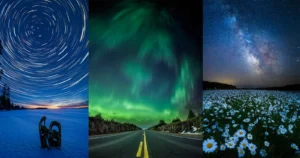
Don’t be afraid to push the boundaries of creativity in panoramic photography. Experiment with unconventional techniques such as light painting, multiple exposures, or compositing to create truly unique and innovative panoramas. Embrace your artistic vision and let your imagination soar, exploring new ways of seeing the world through panoramic photography. Give an artistic touch to simple scenes, like capturing a fisherman catching a fish using a fishing app.
Consider incorporating elements of abstract art, surrealism, or minimalism into your panoramas to create images that challenge the viewer’s perception and invite them to see the world in a new way. Experiment with different post-processing techniques such as color grading, dodging and burning, or texture overlays to add depth and dimension to your images.
By pushing the boundaries of creativity in panoramic photography, you can create images that are not only visually striking but also intellectually stimulating and emotionally evocative. Panoramic photography offers endless opportunities for experimentation and innovation, so don’t be afraid to think outside the box and push the limits of what’s possible with your camera. Put on your favorite flip flop thong sandals and explore the undiscovered places for taking photos.
Conclusion
In conclusion, panoramic photography offers endless opportunities for creativity and expression. By mastering composition, harnessing the power of lighting, exploring different stitching techniques, and incorporating dynamic elements, you can create stunning panoramas that captivate viewers and evoke a sense of wonder and awe. Once you master it, you can start up your own business, in which case consider contacting a b2b PR agency for better marketing solutions. So don’t be afraid to experiment, push the boundaries of traditional techniques, and let your imagination soar through panoramic photography. With dedication, practice, and a willingness to explore new perspectives, you can create panoramic images that truly stand out and leave a lasting impression on viewers.