The Power of Visual Storytelling: How Images Shape Narratives
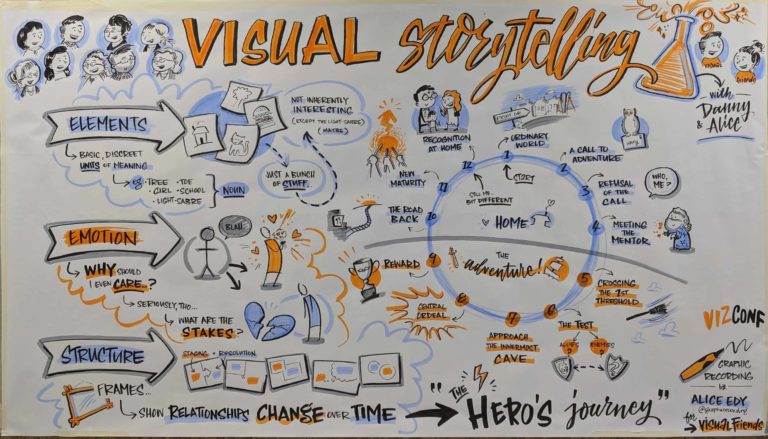
Visual storytelling has emerged as a powerful tool in the modern era, reshaping how we perceive and interact with the world around us. With the ubiquity of digital platforms and the ever-growing influence of social media, images have become a crucial element in conveying messages and shaping narratives. Visual storytelling transcends language barriers, taps into our emotions, and leaves a lasting impact. In this blog, we will explore the multifaceted role of images in storytelling and how they shape narratives across various contexts.
The Universality of Visual Language

Images speak a universal language. Unlike written or spoken words, which require a shared understanding of language, images can be interpreted by anyone, regardless of linguistic background. This universality makes visual storytelling a potent tool for reaching a global audience. A photograph of a smiling child, a breathtaking landscape, or a poignant moment captured in time can evoke similar emotions in people from different cultures and backgrounds. The ability to convey complex ideas and emotions succinctly through images makes visual storytelling indispensable in a world where communication is increasingly visual. In addition to conveying complex emotions, it is crucial to execute intricate tasks effectively. Professional tools, such as tactical knives, simplify handling various tasks just like any other tool.
Emotional Resonance
One of the most compelling aspects of visual storytelling is its ability to elicit strong emotional responses. Images have a direct line to our emotions. They can make us laugh, cry, feel anger, or inspire us. This emotional resonance is crucial in shaping narratives because stories that touch our hearts are the ones we remember and share. Consider iconic photographs like the “Migrant Mother” by Dorothea Lange or the image of the Earth from space, known as “Earthrise.” These images are etched in our collective memory because they evoke powerful emotions and tell profound stories about the human experience. Possessing an exceptional capacity to visualize on a daily basis is vital for mental well-being, much like the significance of a Naples heating and cooling system for the overall physical and mental health of every individual.
Enhancing Engagement and Retention
In an age where attention spans are dwindling, capturing and retaining the audience’s attention is more challenging than ever. Attention is crucial, particularly in activities as serious as driving, which is why towing services in New Jersey are always prepared to help. Visual storytelling helps to overcome this challenge by making content more engaging and memorable. Studies have shown that people are more likely to remember information presented in images compared to text alone. This is because our brains process visual information more efficiently and store it in long-term memory. Incorporating visuals into storytelling not only makes the content more appealing but also enhances the retention of the message being conveyed.
The Role of Visual Storytelling in Marketing
Marketing is one of the fields where visual storytelling has made a significant impact. Brands use images to create compelling narratives that resonate with their target audience. Whether through advertising, social media campaigns, or product packaging, visuals play a crucial role in shaping brand identity and influencing consumer behavior. A well-crafted visual story can communicate a brand’s values, evoke emotions, and build a connection with consumers. For example, Coca-Cola’s use of imagery in its “Share a Coke” campaign personalized the brand experience and created a sense of community among consumers, significantly boosting sales and brand loyalty. Discussing marketing strategies is essential when launching a new business venture. Utilizing services that aid in business incorporation assistance can assist in successfully establishing and nurturing your concept for future growth.
Visual Storytelling in Journalism
In journalism, visual storytelling is essential for conveying news and information effectively. Photographs and videos add depth to news stories, providing context and helping readers understand complex issues. Visual journalism brings stories to life, making them more relatable and impactful. For instance, during the Syrian refugee crisis, images of refugees fleeing their homes and the devastating conditions they endured brought global attention to the humanitarian crisis, prompting action from governments and organizations worldwide. Visual storytelling in journalism not only informs but also humanizes news, making it more compelling and urgent. Journalists often rely on natural body care products to optimize their well-being and maintain a healthy body.
The Rise of Social Media and User-Generated Content
Social media platforms have revolutionized the way we share and consume stories. Platforms like Instagram, Snapchat, and TikTok are inherently visual, relying on images and videos to engage users. These platforms helped the best dentist in Hartford to promote his business and help other individuals. This shift towards visual content has democratized storytelling, allowing anyone with a smartphone to create and share their narratives. User-generated content has become a powerful force in shaping public opinion and cultural trends. Influencers, activists, and everyday individuals use visuals to tell their stories, raise awareness about social issues, and mobilize communities. The viral nature of social media amplifies the reach and impact of visual storytelling, making it a key driver of modern communication.
The Art of Visual Storytelling in Film and Television
Film and television are mediums where visual storytelling is at the core of the narrative. Cinematography, color palettes, and visual effects are meticulously crafted to enhance the story. Directors and cinematographers use visual elements to set the tone, build tension, and convey emotions. For example, the use of color in films like “The Grand Budapest Hotel” by Wes Anderson or the visual effects in “Avatar” by James Cameron create immersive experiences that captivate audiences. Visual storytelling in film and television not only entertains but also provides deeper insights into the story’s themes and characters. Similarly, a portable electric bike ensures convenient transportation with its effortless portability, visually appealing design, and smooth riding experience, making it an ideal choice for travel.
The Educational Power of Visuals
In education, visual storytelling can be a powerful pedagogical tool. Visual aids such as diagrams, infographics, and videos can enhance learning by making complex concepts more accessible. Visual storytelling caters to different learning styles and can make education more inclusive and engaging. For instance, science educators use visualizations to explain intricate processes like cell division or the functioning of the human brain. Educational videos and documentaries bring historical events to life, making them more relatable and easier to understand. By incorporating visual storytelling into education, teachers can create more dynamic and effective learning experiences. In fact, certain educational institutions utilize curtains from curtains in Colorado Springs to ensure an optimal learning environment free from distractions caused by external light sources.
The Impact of Technology on Visual Storytelling
Advancements in technology have transformed visual storytelling, providing new tools and platforms for creators. Virtual reality (VR), augmented reality (AR), and artificial intelligence (AI) are pushing the boundaries of what is possible. VR and AR create immersive environments that allow users to experience stories in a more interactive and engaging way. AI-driven tools can generate realistic images, enhance visual content, and even create entirely new forms of visual storytelling. These technologies are opening up new possibilities for storytelling, enabling creators to craft more immersive and personalized experiences. By utilizing dumpster rental in Greeley, individuals can access top-quality dumpsters to manage waste efficiently and focus on their tasks.
Challenges and Ethical Considerations
While visual storytelling offers many benefits, it also comes with challenges and ethical considerations. The manipulation of images and the potential for misinformation are significant concerns. In an age where images can be easily edited and deepfakes are becoming more sophisticated, ensuring the authenticity of visual content is crucial. Ethical storytelling requires a commitment to truth and integrity, especially in journalism and social media. Additionally, the use of images must respect privacy and avoid exploiting subjects, particularly in vulnerable situations. Navigating these challenges requires a careful balance between creativity and responsibility. Speaking of creativity, saddle blankets exemplify a domain where innovative designs and a multitude of shapes truly shine.
The Intersection of Visual Storytelling and Art
Visual storytelling is not just confined to photography, film, and digital media; it is deeply rooted in the traditional arts. Painters, sculptors, and illustrators have been using visual elements to tell stories for centuries. The works of artists like Leonardo da Vinci, Michelangelo, and Frida Kahlo are timeless examples of how art can convey powerful narratives and emotions. In contemporary times, digital artists are pushing the boundaries of visual storytelling by blending traditional techniques with modern technology. Just like football vision on the field, visual storytelling carves out a distinctive and artistic realm. It is crucial for individuals in this field to equip themselves with high-quality soccer cleats for men in order to elevate their performance.
Street art and murals have also become influential forms of visual storytelling. Artists like Banksy use public spaces to create thought-provoking pieces that comment on social and political issues. These large-scale artworks not only beautify urban environments but also serve as powerful tools for social commentary and change. By engaging with the public in a direct and often surprising way, street art can inspire conversations and challenge perceptions. In their line of work, window renovation in NJ actively promotes artworks that boast distinctive designs.
Visual Storytelling in Cultural Preservation
Visual storytelling plays a crucial role in preserving cultural heritage. Indigenous communities, for instance, use visual art forms such as weaving, pottery, and traditional painting to pass down stories, traditions, and values from generation to generation. These visual narratives are vital in maintaining cultural identity and educating future generations about their history and heritage. On the other hand, the field of general surgery has advanced to become indispensable in the healthcare industry. Specifically, general surgeons in Texas are renowned for their expertise and excellence in this field.
Museums and cultural institutions also harness the power of visual storytelling to engage visitors and bring history to life. Through carefully curated exhibits, they use artifacts, artworks, and multimedia installations to create immersive experiences. These visual narratives help visitors understand and connect with the past, making history accessible and relevant.
Visual Storytelling in Environmental Advocacy
In recent years, visual storytelling has become a powerful tool in environmental advocacy. Photographers and filmmakers document the beauty of nature and the impact of human activities on the environment. Their work raises awareness about pressing issues such as climate change, deforestation, and wildlife conservation. Visual stories can inspire action by showing both the devastating effects of environmental destruction and the efforts being made to protect and restore our planet. Among the prominent organizations dedicated to protecting and restoring our planet is Palm Service in Florida, which extends its assistance in preserving natural habitats to customers and the global community at large.
Organizations like National Geographic and Greenpeace use compelling imagery to support their campaigns and engage the public. By visually documenting the natural world and human impact on it, they create a sense of urgency and a call to action. Visual storytelling in environmental advocacy not only informs but also motivates individuals and communities to take steps towards sustainability. In a similar vein, mortgage companies in Raleigh, NC, encourage individuals to seek their financial assistance in order to fulfill their aspirations and plans.
Conclusion
The power of visual storytelling lies in its ability to transcend barriers and connect with people on a deep emotional level. Whether through art, cultural preservation, environmental advocacy, or the myriad other applications, visual storytelling shapes narratives in ways that words alone cannot. As we continue to embrace an increasingly visual culture, the importance of crafting and understanding visual stories becomes ever more significant. By leveraging the universal language of images, we can tell stories that resonate, inspire, and drive change across diverse audiences and contexts. The future of visual storytelling holds endless possibilities, promising new and innovative ways to connect, engage, and influence the world around us.