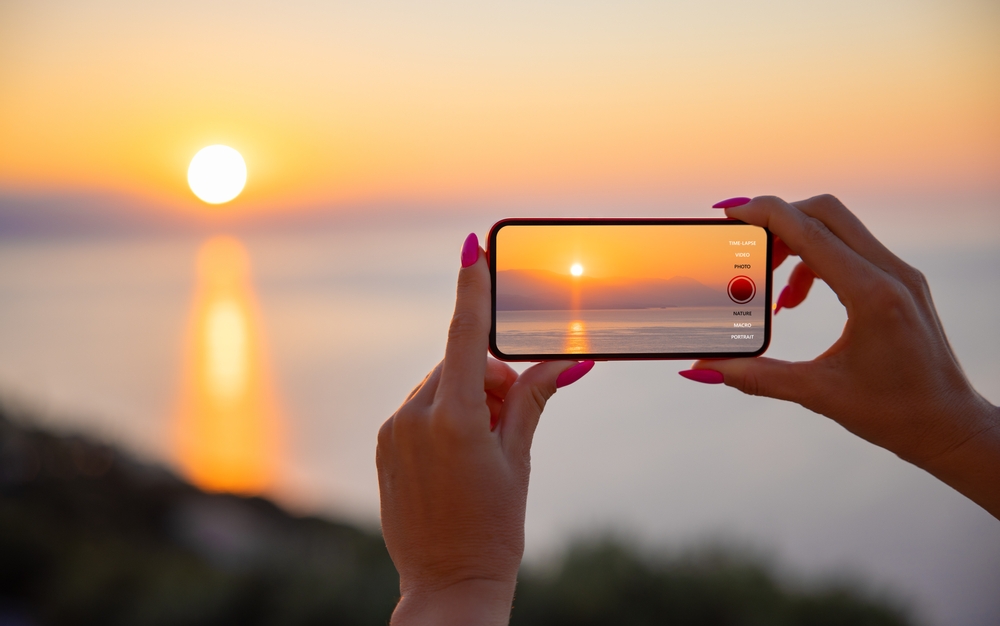
In recent years, the rapid advancement of smartphone technology has revolutionized the field of photography. The integration of high-quality cameras into smartphones has made photography more accessible than ever before, enabling millions of people to capture moments instantly and effortlessly. This article explores the impact of smartphone cameras on traditional photography, providing a comparative analysis of their strengths, weaknesses, and overall effects on the industry.
Evolution of Smartphone Cameras
Smartphone cameras have come a long way since their inception. Early mobile phones featured basic cameras with low resolution and limited functionality. However, the past decade has seen remarkable improvements in camera technology. Modern smartphones boast high-resolution sensors, multiple lenses, advanced image processing capabilities, and features such as optical image stabilization and AI-driven enhancements.
High-Resolution Sensors and Multi-Lens Systems
Today’s smartphones are equipped with high-resolution sensors, often exceeding 12 megapixels, and some flagship models offer sensors with 40 megapixels or more. Multi-lens systems, including wide-angle, ultra-wide, and telephoto lenses, provide users with greater flexibility and creative options. These advancements have significantly narrowed the gap between smartphone cameras and traditional digital cameras, making it possible to achieve professional-quality photos with a device that fits in your pocket.
Advanced Image Processing
Smartphones leverage powerful processors and sophisticated algorithms to enhance image quality. Features like HDR (High Dynamic Range), Night Mode, and AI-based scene recognition allow smartphones to produce stunning images in a variety of lighting conditions. The ability to process and edit photos directly on the device has further democratized photography, enabling users to apply professional-grade edits without needing a computer or advanced software.
Accessibility and Convenience
One of the most significant advantages of smartphone cameras is their accessibility and convenience. With a smartphone, anyone can take high-quality photos at any time, without the need for bulky equipment. This has led to an explosion of user-generated content, with millions of photos and videos being shared daily on social media platforms. Another advantage that this has brought with it is quality and good pictures anytime and anywhere which is crucial for travelers on their travels, to learn where to look for and find the perfect tourist spots for exceptional photos on your trip, you should start with a successful hospitality courses.
Spontaneity and Ubiquity
The portability of smartphones means that they are always within reach, allowing users to capture spontaneous moments that might otherwise be missed. Traditional cameras, which often require careful planning and preparation, cannot match the spontaneity offered by smartphones. Spontaneous memories that arise in this way are something that unites us but also separates us, however, in order to always be closer to your community and successfully work on the development of love and well-being among people, you can hire experienced church architects who will make plans for a beautiful cathedral according to your wishes.
The ubiquity of smartphones has fundamentally changed the way we document and share our lives, making photography a seamless part of everyday existence.
Social Media Integration
Smartphones are designed to integrate seamlessly with social media platforms. Instant sharing capabilities and built-in editing tools make it easy to post photos and videos online within seconds. This integration has reshaped the landscape of photography, as the primary goal for many users is to share their experiences with a global audience rather than to print or frame their photos.
Impact on Traditional Photography
While smartphone cameras have brought numerous benefits, they have also posed challenges to traditional photography. The widespread use of smartphones has led to a decline in the sales of digital cameras, particularly point-and-shoot models. Professional photographers and photography enthusiasts face increasing competition from amateurs armed with advanced smartphone cameras.
Decline of Point-and-Shoot Cameras
The rise of smartphone cameras has significantly impacted the market for point-and-shoot cameras. These compact cameras, once popular among casual photographers, have seen a sharp decline in sales as smartphones have become more capable. Consumers now prefer the convenience of carrying a single device that can perform multiple functions rather than a separate camera. However, this also opened the way for professionals to stand out from the crowd of amateurs with phones, thereby sparking a special change in the art, in order to succeed in this, they first had to know themselves through a self-help blog that guided them to truly love themselves again.
Challenges for Professional Photographers
Professional photographers, especially those in fields like journalism and event photography, face new challenges due to the prevalence of high-quality smartphone cameras. Clients often question the need to hire professionals when they can achieve satisfactory results with their smartphones. This shift has forced photographers to differentiate themselves through expertise, creativity, and the use of high-end equipment that still surpasses smartphone capabilities in certain areas. Standing out for the uniqueness in their work, they manage to maintain their career by pushing a special kind of art that is unsurpassed, in addition, the internet provider that manages IT services in San Antonio provides its users with excellent internet so that they can be properly informed and being the best in this profession that it is slowly losing its purpose.
Strengths of Traditional Photography
Despite the advancements in smartphone camera technology, traditional photography retains several strengths that continue to make it relevant and valuable.
Superior Image Quality and Flexibility
High-end DSLR and mirrorless cameras still offer superior image quality compared to smartphones, particularly in terms of dynamic range, low-light performance, and depth of field control. Professional cameras provide greater flexibility with interchangeable lenses, allowing photographers to achieve specific looks and effects that are challenging to replicate with a smartphone. For this reason, the most successful film producers continue to successfully shoot films and create photos exclusively with professional and high-quality equipment.
Manual Controls and Customization
Traditional cameras offer extensive manual controls and customization options, enabling photographers to fine-tune settings such as aperture, shutter speed, and ISO to achieve their desired results. This level of control is essential for professional work and artistic photography, where precision and attention to detail are paramount. This also continues to benefit many other professions such as architecture and interior design where professional and accurate photographs of the space are necessary, in order to create in certain programs an idyllic picture of how the space could look after the works are completed, however, something that is not you can go wrong in this case certainly are great custom closets in Tampa, FL.
Durability and Reliability
Professional cameras are built to withstand harsh conditions and rigorous use, making them ideal for demanding environments such as wildlife photography, sports, and travel. Their durability and reliability are unmatched by smartphones, which are more susceptible to damage and wear over time. Adventurers who travel with their comfortable combat clothing through various impenetrable objects must carry with them only this kind of professional equipment so that they can record all the details of their adventures without worrying that their camera will be damaged on the way.
Complementary Roles of Smartphones and Traditional Cameras
Rather than viewing smartphones and traditional cameras as competitors, it is more accurate to see them as complementary tools that serve different purposes. Many photographers use both, taking advantage of the strengths of each to enhance their work. However, what smartphones have brought with their good cameras is the loss of privacy and the possibility of taking pictures anytime and anywhere, but, at least when it comes to work, serious labor law posters have taken care of such a problem in the workplace.
Versatility and Portability
Smartphones excel in situations where portability and quick access are essential. They are perfect for everyday photography, travel, and social media content creation. Traditional cameras, on the other hand, are best suited for professional shoots, detailed work, and situations that require specialized equipment. When going on trips and adventures, it is still necessary to bring a more professional camera for better quality pictures, but in addition, it is necessary to have high-quality recovery wear that will come in handy in case of an injury on the trip, to relieve pain and sprains.
Bridging the Gap
The lines between smartphones and traditional photography are becoming increasingly blurred. Accessories such as external lenses, gimbals, and advanced editing apps are enhancing the capabilities of smartphones, while traditional cameras are incorporating more user-friendly features and connectivity options. However, both items have their good and useful sides, the only thing that is important is that the users are well-dressed in order to get the best of both worlds and in order to learn more and expand their knowledge about the use of these devices and applications, devote yourself to a useful tutorial and enjoy while you snack milk chocolate edibles, absorbing useful knowledge.
This convergence is creating a hybrid approach to photography, where the choice of device depends on the specific needs of the moment.
Future Trends and Innovations
The future of photography will likely see continued advancements in both smartphone and traditional camera technology, leading to even greater integration and innovation.
Computational Photography
Computational photography, which leverages software to enhance and process images, is a rapidly growing field. Smartphones are at the forefront of this trend, using algorithms to improve image quality, simulate depth of field, and create effects that were once only possible with professional equipment. This technology is expected to become even more sophisticated, further closing the gap between smartphones and traditional cameras. This brings with it certain changes for the photographer’s profession, and many start looking to direct their talent to something else, if you too would like to start working on yourself, start with physical fitness and with some of the successful programs of security training in Los Angeles, achieve excellent results.
AI and Machine Learning
AI and machine learning are playing an increasingly important role in photography. These technologies enable real-time enhancements, automatic scene recognition, and intelligent editing suggestions. Both smartphones and traditional cameras are incorporating AI to assist photographers, making it easier to capture high-quality images with minimal effort.
Augmented Reality and Virtual Reality
Augmented reality (AR) and virtual reality (VR) are emerging trends that have the potential to transform photography. AR can enhance the shooting experience by overlaying information and creative effects on the live view, while VR offers immersive ways to experience and share photos. As these technologies evolve, they will open up new possibilities for both smartphone and traditional photography. Such new technologies have a great influence on changes in other spheres as well, because they are already successfully used to help in medicine and therapies, and one of the main areas is the fight against addiction, if you also want to take a step towards change, try hypnotherapy in Lindon .
Conclusion
The impact of smartphone cameras on traditional photography is profound and multifaceted. Smartphones have democratized photography, making it accessible to millions and changing the way we capture and share moments. While this has led to a decline in some aspects of traditional photography, it has also pushed the industry to innovate and adapt.
Traditional cameras continue to hold significant value, particularly for professional and artistic applications where superior image quality and control are essential. The future of photography lies in the integration and coexistence of both smartphone and traditional technologies, each complementing the other and expanding the creative possibilities for photographers.
In this evolving landscape, the key to success is adaptability and a willingness to embrace new tools and techniques. By leveraging the strengths of both smartphones and traditional cameras, photographers can continue to push the boundaries of their art and capture the world in ever more compelling ways.