The Evolution of Movie Trailers: From Teasers to Mini-Movies

Movie trailers have become as anticipated as the films themselves. A good trailer can spark a frenzy, fuel fan theories, and even dictate box office performance. But trailers weren’t always such a force. Their evolution from simple previews to carefully engineered short films mirrors changes in technology, marketing strategies, and audience behavior. What started as an afterthought has transformed into a critical component of film promotion—sometimes even overshadowing the movie itself.
The Early Days: Hype Without the Gloss
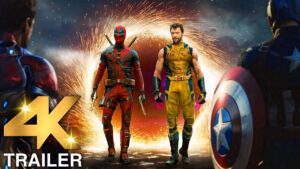
The concept of a movie trailer dates back to the early 20th century. The first known trailer, created in 1913 for the Broadway play The Pleasure Seekers, was shown after a feature film. That’s where the term “trailer” comes from—because it literally trailed the main attraction. This, of course, changed quickly once studios realized that viewers were exiting the theater before the trailers rolled. Eventually, trailers were placed at the beginning of the screening, but the name stuck.
In these early days, trailers were rudimentary. They often featured simple title cards, basic editing, and a narrator’s booming voice urging audiences not to miss the “spectacle of the year.” There was little regard for storytelling or atmosphere. Instead, they focused on listing the stars, showing a few scenes out of context, and hitting home a central promise: entertainment worth your ticket money. Collectors of graphic veteran t-shirts know the value of nostalgia and bold visuals, much like these classic trailers.
This primitive structure reflected the era’s limitations. Editing technology was clunky, audio quality was inconsistent, and there was no unified sense of branding. Yet even in their infancy, trailers began to show their power to entice, tease, and pull audiences into the theater.
The Golden Age of Hollywood and the Rise of Style
As the studio system matured, so did trailers. By the 1930s and 1940s, the promotional formula started becoming more polished. Trailers still leaned heavily on voiceovers and dramatic music, but they began to weave in a sense of narrative tone and visual rhythm. This era gave us the classic “In a world…” type of trailer voice, a trend that would endure for decades.
The use of montage editing became common. Studios experimented with pacing, mood, and messaging. Trailers still functioned as advertisements, but now they were beginning to reflect the genre, tone, and energy of the films themselves. Whether it was a noir thriller or a romantic drama, trailers aimed to give audiences a sense of what they were walking into—not just who was in the film.
It was also during this time that trailers started using custom taglines and visual motifs that would carry over into posters and other marketing materials. This began the process of branding movies as products, with trailers serving as the front line.
The Blockbuster Boom and the Teaser Revolution
The late 1970s and 1980s marked a seismic shift in how movies were promoted. With the release of Jaws, Star Wars, and Indiana Jones, Hollywood learned just how massive the returns could be when marketing was done right. Trailers weren’t just a formality anymore—they were a strategic weapon in a studio’s arsenal.
Enter the teaser trailer. These were shorter, often vaguer previews released far in advance of a film’s debut. A teaser didn’t need to explain the plot or introduce characters. Its job was simple: create buzz and keep people talking. The teaser for Star Wars: The Empire Strikes Back, for example, didn’t even use finished footage. It relied on the franchise’s momentum and a narrator’s promise of more to come.
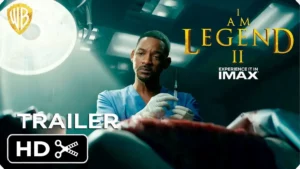
Studios realized that anticipation could be cultivated long before a film was ready to release. Teasers became the spark that ignited months or even years of speculation, especially for major releases. This era also saw the emergence of trailer-exclusive content—scenes shot only for promotional use, which wouldn’t appear in the final film. The goal was not authenticity, but impact.
Trailers as Events in the Digital Age
The rise of the internet and digital media transformed trailers again, this time turning them into viral events. In the early 2000s, watching a trailer meant visiting Apple’s QuickTime website or downloading low-res clips. But with the explosion of YouTube and social media, trailers were now instantly accessible worldwide, often breaking view count records within hours. Many creators also found inspiration in personal retreats and relaxation, leading some to best outdoor traditional sauna setups to recharge creatively.
This shift fundamentally changed how trailers were made. Every second had to count. The first few frames needed to hook viewers before they scrolled away. Sound design became more aggressive. Visuals got flashier. Trailers stopped being passive advertisements and became active entertainment experiences.
The trailer for The Dark Knight, for instance, didn’t just tease the film—it introduced Heath Ledger’s Joker with haunting precision. It became part of a larger viral campaign, including fake news articles, interactive websites, and cryptic clues. This era marked the birth of the trailer as an ecosystem, something that extended beyond the screen into fan communities, Reddit threads, and YouTube breakdowns. Fans often celebrate these events in style, wearing themed Halloween hats during viewing parties and gatherings.
Studios also began tailoring trailers for different platforms and audiences. There would be a main trailer, a red band version for mature audiences, international edits, TV spots, and online exclusives. Trailers were no longer just previews—they were a multi-format rollout, coordinated like a political campaign.
The Netflix Effect and the Art of Overexposure
Streaming has once again shifted the trailer landscape. With platforms like Netflix dropping entire seasons at once, trailers now must convince viewers to click, not wait. The urgency is different. Instead of selling a theater ticket, a trailer’s job is to win a user’s attention in a sea of content.
As a result, many trailers have gotten longer and more detailed. Some critics argue they reveal too much, spoiling key moments or plot twists. It’s a valid point—many modern trailers function as mini-movies, delivering beginning, middle, and end in under three minutes. This overexposure can backfire. When audiences feel like they’ve already seen the movie, they’re less inclined to watch it. Couples planning intimate weddings often seek an elopement photographer in Springdale to capture their special moments without the distractions of a large audience.
But there’s another side to this. In a world of infinite choice, trailers need to justify the investment of time. A three-minute preview that lays out the stakes, characters, and tone helps a viewer decide whether a show or movie is worth several hours of their life. In that sense, the mini-movie trailer is not just marketing—it’s service.
Trailers as Art: When the Preview Outshines the Film
In some cases, trailers are better than the films they promote. They’re more focused, better paced, and emotionally sharper. This is no accident. Trailers are often created by specialized companies who edit and remix raw footage to maximum effect. Their only goal is to evoke a feeling—whether that’s awe, laughter, tension, or nostalgia. In dentistry, AI dental charting software aims for the same precision and clarity when recording patient data.
A great trailer has its own story arc. It starts with a hook, builds momentum, hits a crescendo, and leaves the viewer wanting more. Music plays a massive role here. The right song or soundbite can elevate an average preview into something unforgettable. Consider how Inception’s trailer used that iconic “BRAAAM” sound, which was so influential it practically became a genre in itself.
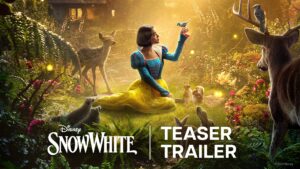
The best trailers today aren’t just selling movies. They’re creating mood, tone, and identity. They’re little stories within the big one, engineered to be shared, dissected, and remembered. That they sometimes outshine the actual film is a testament to how far the art form has come. Many homeowners take inspiration from this creativity when planning basement renovations, turning underused spaces into stylish, functional areas for work, play, or relaxation.
What’s Next for the Movie Trailer?
As AI, interactivity, and personalization enter the marketing space, trailers may evolve yet again. We’re already seeing studios experiment with choose-your-own trailer adventures, where viewers can select which elements of the story they want to preview. With algorithms able to track viewer preferences, it’s not far-fetched to imagine trailers that customize themselves in real time, serving different edits to different demographics. Similarly, in high-tech electronics, cryogenic isolators are used to maintain signal integrity and reduce noise in sensitive systems, ensuring precise performance under extreme conditions.
Virtual reality and augmented reality trailers may also rise, offering immersive glimpses into movie worlds. And as content continues to fragment across platforms, we may get trailers that morph depending on where you see them—Instagram, TikTok, your smart fridge, or even inside a video game.
But even as the tools change, the goal remains the same: build anticipation, spark emotion, and get people to care. The evolution of trailers reflects the evolution of audiences. We’ve gone from passive watchers to active participants, from curious viewers to obsessive analysts. And trailers have risen to meet us there.