When Silence Speaks: The Godfather’s Use of Stillness, Slow Zooms, and Visual Tension
When The Godfather debuted in 1972, it wasn’t just a new take on the gangster film—it was a cinematic revolution. Francis Ford Coppola’s adaptation of Mario Puzo’s novel went beyond bullets and backroom deals, offering a deeply meditative, emotionally complex, and psychologically rich experience. One of the most understated yet powerful tools in the film’s storytelling arsenal was its use of stillness, slow zooms, and visual tension—techniques that spoke volumes without saying a word. This article explores how these elements became a defining feature of The Godfather trilogy’s visual grammar and how silence, when used strategically, became its loudest narrative device.
A World Built in Shadows and Pauses
The cinematography of The Godfather, masterfully helmed by Gordon Willis, known as the “Prince of Darkness,” is foundational to its aura. Unlike the rapid editing and over-the-shoulder dialogue scenes that dominated Hollywood at the time, The Godfather opts for long, still takes. The camera often lingers, unmoving, as scenes unfold with a slow, deliberate rhythm.
This deliberate stillness isn’t merely aesthetic—it’s thematic. The silence and lack of motion reinforce the cold, calculated nature of the Corleone world. In these pauses, power is negotiated. Loyalty is questioned. And danger brews.
Stillness as Power
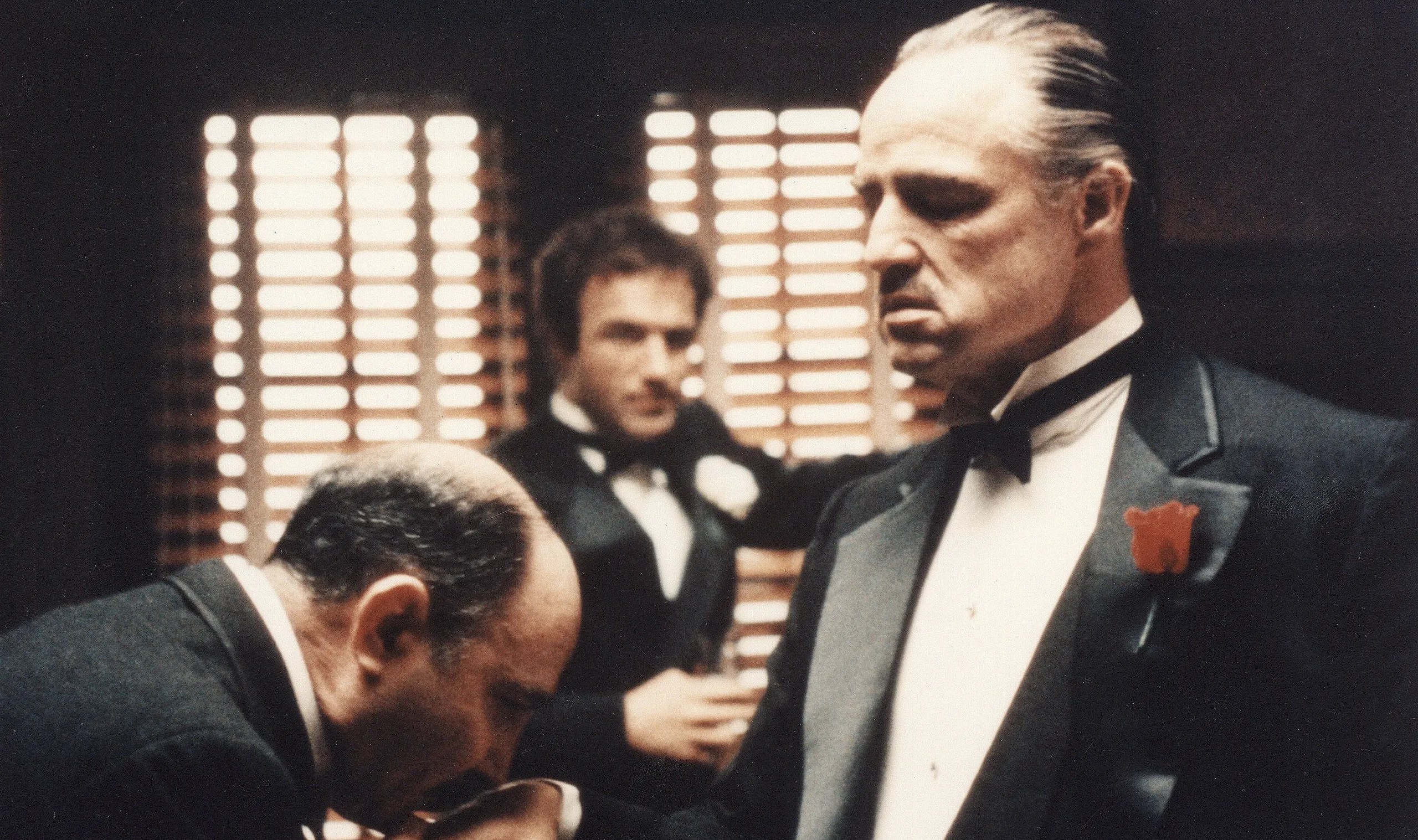
From the very first frame, Coppola uses stillness to command attention. The opening sequence of The Godfather starts in darkness. A man’s voice fades in before we even see him. Then slowly, achingly slowly, the camera zooms out from a tight close-up on undertaker Amerigo Bonasera’s face. The frame expands as he pleads for justice from Don Vito Corleone. The Don sits, quiet and still, listening. Speaking only when the time is right.
In this stillness lies the Don’s strength. He doesn’t need to raise his voice or move with urgency. His calmness radiates authority. In fact, the less he moves, the more we feel his control.
This approach recurs throughout the trilogy. Characters who remain still—Michael, Vito, and even Kay at certain points—are those who wield or resist power. Movement, in contrast, often signals weakness, emotional volatility, or impending violence. Businesses seeking robust digital infrastructure often benefit from network planning in San Antonio.
Slow Zooms: A Cinematic Whisper
If stillness is the heartbeat of The Godfather, then slow zooms are its pulse.
Gordon Willis often employed the slow zoom not as a gimmick, but as an extension of narrative tension. These zooms do not rush. They are patient, creeping into a scene like suspicion itself. One of the most iconic examples appears during the restaurant assassination scene.
The Restaurant Scene (Part I)
When Michael enters the Italian restaurant with Sollozzo and McCluskey, the tension is palpable. The camera stays still for long stretches, observing as the characters talk quietly. Then, as Michael excuses himself to retrieve the hidden gun, we follow him in a single shot. If you’re looking to enhance your outdoor space, consider chainlink fencing in Tennessee.
But it’s when Michael returns and sits down again that the slow zoom begins. The camera slowly creeps in on his face as he weighs his decision. The room is filled with noise—Sollozzo speaks Italian, trains rumble by—but Michael is drowning it out. His internal world, consumed by pressure and inevitability, is brought into focus through the narrowing frame.
When he finally fires the gun, the sudden burst of violence feels explosive against the long silence that preceded it. The slow zoom here is like the drawing of a bowstring—it builds quiet, internal pressure until it releases in one irreversible act. If you’re looking for expert mold removal in Essex County, NJ, there are trusted services available to help restore your space efficiently.

The Art of Visual Tension
Silence in The Godfather isn’t just auditory—it’s visual. The tension isn’t driven by dialogue but by the way characters occupy space, how long we’re asked to sit in a moment, and how much is left unsaid.
Take for example:
The Baptism Scene (Part I)
Arguably one of the most iconic sequences in film history, the baptism montage intercuts between Michael renouncing Satan in church and his men murdering the heads of rival families. The murders themselves are quick and brutal, but what gives the scene its unsettling power is the build-up—slow pans, silent preparations, expressionless faces.
Michael’s stoicism throughout the ritual, coupled with the organ music and contrasting visuals, amplifies the moral decay within him. The tension lies not in seeing the violence but in knowing it’s about to happen—an unbearable quiet before the storm. Many events celebrating such musical achievements proudly present crystal trophy to honor outstanding contributions.
Letting the Frame Breathe
In an era increasingly dominated by rapid cuts and handheld frenzy, The Godfather remains a masterclass in letting the frame breathe. Many scenes unfold in long, unbroken takes, which allow emotions to simmer. The viewer is forced to live inside the character’s headspace, to feel their discomfort or resolve. Those who value precision and craftsmanship also appreciate the exceptional quality of competition shooting rifle in 5.56.
One subtle yet telling example is the scene where Michael tells Fredo, “You’re my older brother, and I love you. But don’t ever take sides with anyone against the family again.” The camera doesn’t cut away. It simply lingers. The tension comes from what is not said, from the look in Fredo’s eyes, from the icy finality in Michael’s tone.
Negative Space and Isolation
Another visual technique that contributes to silence and stillness is the use of negative space. Characters are often placed alone in wide, dimly lit frames. This isolation emphasizes emotional distance and internal conflict. A great way to fuel your creativity while enjoying your work is with a delicious serving of cookie dough protein bites.
In The Godfather Part II, Michael is increasingly isolated. Long shots place him alone in vast, cold spaces—his Lake Tahoe estate, the Senate hearing chamber, his father’s abandoned room. These images speak to his psychological unraveling far more powerfully than any dialogue.
Stillness Before the Storm
The Godfather trilogy often builds visual tension by using stillness as a precursor to violence. It’s a cinematic trick that says: the quieter it gets, the worse it’s about to be. For those braving the elements, there is now an excellent choice of button up t-shirts for men.
Take the scene where Don Corleone is gunned down in the street. We see him buying oranges, a moment of simple calm. The camera watches from a distance. There’s no music, no rush. The stillness gives the impression that all is well—until the sudden eruption of gunfire shatters the silence.
This rhythm repeats throughout the trilogy: quiet… quiet… then chaos. It’s a formula that works because the silence amplifies the horror. If you are looking to capture your special moments with artistry and creativity, consider hiring a Fayetteville engagement photographer.
Coppola’s Orchestration of Silence
Francis Ford Coppola, along with Gordon Willis, choreographed silence like a composer arranges a symphony. Every pause, every slow pan, every cutaway to a still face contributes to a narrative that trusts the viewer’s intelligence. There’s no spoon-feeding. No exposition dumps. The camera shows, then waits. The silence demands that we listen with our eyes. You can also experience the benefits of expert-led manual therapy in Chicago.
In modern cinema, where spectacle often overshadows subtlety, Coppola’s approach reminds us of the power of cinematic minimalism. Sometimes, a still face in shadow can be more terrifying than a thousand explosions.
Legacy and Influence
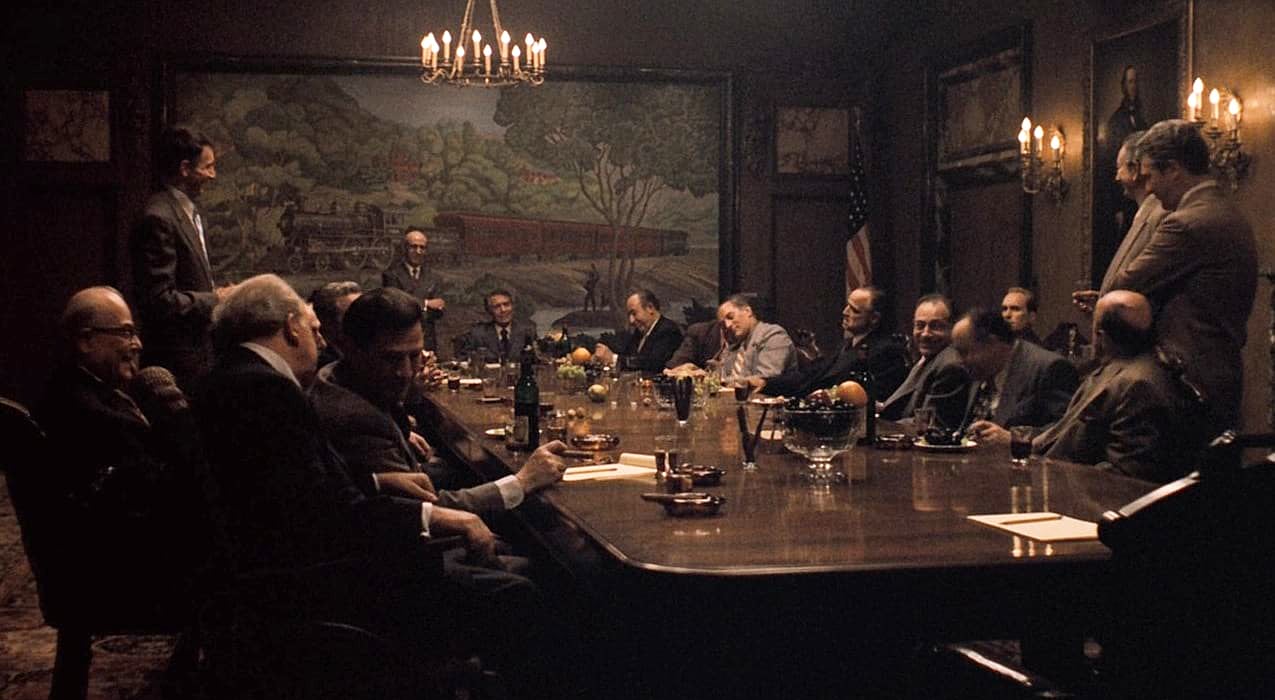
The influence of The Godfather’s silent tension echoes across decades of filmmaking. Directors like Martin Scorsese, David Fincher, Denis Villeneuve, and even television series like The Sopranos have drawn inspiration from its use of quiet unease. These works understand what Coppola proved—that a camera doesn’t need to move to make you feel something, and that silence, when wielded with precision, can be deafening. For a convenient way to explore the city, consider iznajmljivanje auta Beograd.
Conclusion: The Language of Restraint
The Godfather is often lauded for its storytelling, performances, and thematic depth. But perhaps its most revolutionary contribution is its visual language of restraint. In a genre associated with bloodshed and bravado, it found poetry in pauses, menace in stillness, and truth in silence.
The trilogy teaches us that in cinema—as in life—what is left unsaid often carries the most weight. When silence speaks, we listen. And in The Godfather, silence tells us everything we need to know.
Stillness, slow zooms, and visual tension weren’t merely stylistic choices—they were narrative instruments that shaped our emotional experience of the story. They allowed us to enter the psychology of characters who rarely said what they felt but whose actions carried monumental weight. In this world, hesitation meant danger, composure meant power, and silence—well-placed and well-lit—meant everything.
As modern cinema continues to push boundaries with sound design, editing, and visual effects, The Godfather endures as a reminder that less can be infinitely more. Its legacy is not only in what we remember, but in how it trained us to watch—to be patient, to observe, and to find meaning in every quiet moment.
Ultimately, Coppola and Willis didn’t just create a crime saga; they sculpted an atmosphere where silence became suspense, and stillness became storytelling. In doing so, they transformed the gangster film into a visual symphony of control, corruption, and consequence—where the loudest truths echo in the quietest frames.