The Power of Camera Angles: How Filmmakers Use Perspective to Enhance Visual Storytelling
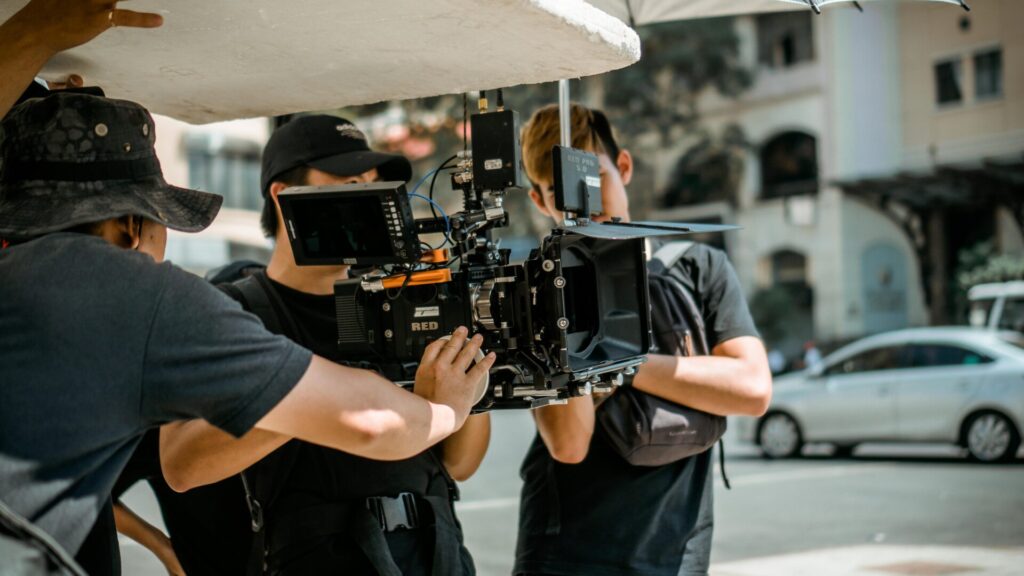
In the world of filmmaking, every shot is carefully crafted to serve a larger purpose within the story. One of the most powerful tools filmmakers use to shape how an audience perceives a scene is the camera angle. By manipulating perspective, camera angles have the ability to control not only the visual aesthetic of a film but also the emotional impact it has on the viewer. Whether it’s a dramatic close-up that intensifies a moment of tension or an overhead shot that gives the viewer a sense of omnipotence, camera angles are essential in guiding the narrative and providing a deeper understanding of the characters and themes within a film. This article explores the power of camera angles in visual storytelling and how filmmakers use them to influence audience perception.

Understanding the Basics of Camera Angles
Before diving into the nuances of how camera angles shape a film, it’s essential to understand the different types of camera angles that filmmakers commonly use. These include:
-
Eye-level Angle: This is the most neutral and natural angle. The camera is positioned at the subject’s eye level, resulting in a straightforward, balanced shot that mirrors how the human eye would naturally view the scene.
-
High Angle: The camera is positioned above the subject, looking down. This angle can make the subject appear small, powerless, or vulnerable.
-
Low Angle: The camera is positioned below the subject, looking up. This angle often conveys power, dominance, or intimidation, making the subject seem larger-than-life.
-
Bird’s Eye View (Overhead Shot): A shot taken from directly above the subject, offering a god-like perspective. It is often used to show a large scope or to symbolize control and detachment.
-
Worm’s Eye View: The opposite of the bird’s eye view, this angle is shot from directly below the subject. It often gives the impression of awe or helplessness, as if the viewer is looking up at something monumental.
-
Dutch Angle (Canted Angle): The camera is tilted to one side, creating a sense of unease, instability, or disorientation. This angle is frequently used in thrillers and psychological dramas.
Each of these angles has distinct visual and emotional implications. The choice of which one to use often depends on the director’s intention for a specific scene and how they wish to manipulate the viewer’s perspective.
Creating Emotional Impact with Camera Angles
One of the most significant ways filmmakers use camera angles is to create an emotional connection between the audience and the characters or scenes. The angle from which a viewer observes a scene can drastically affect how they feel about what is happening.
-
Conveying Power Dynamics: One of the most common uses of camera angles is to emphasize power dynamics between characters. A low angle is frequently used to depict a character who is in control, dominant, or intimidating. Think of the iconic low-angle shots of superheroes in films like Superman or The Dark Knight. These angles make the character appear larger and more imposing, reinforcing their authority and strength. Conversely, a high angle can make a character appear small, weak, or insignificant. This technique is often used to convey vulnerability or submission. In films like The Hunger Games, characters are often filmed from high angles to show their powerlessness in the face of larger systems or forces. For those looking to enhance their outdoor spaces with expert care, there are exceptional landscape design services in Green Bay available to bring your vision to life.
-
Creating Intimacy and Tension: Camera angles can also be used to enhance intimacy or create tension between characters. A close-up shot allows the audience to connect emotionally with a character’s facial expressions, offering insight into their thoughts and feelings. The eye-level angle is often used for these shots, as it places the viewer on the same level as the character, creating empathy. On the other hand, a Dutch angle or extreme close-up can create a sense of unease or heightened tension, often used in thrillers and horror films to disorient the audience or convey a character’s mental state. For instance, in The Shining, Stanley Kubrick famously used extreme close-ups and tilted angles to create a sense of instability, both in the environment and the protagonist’s psyche.
Guiding Audience Perception of the Story
Filmmakers also use camera angles to subtly guide the audience’s understanding of the narrative. The choice of angle can reveal underlying themes, foreshadow events, or provide a deeper understanding of the world of the film. Similarly, just as filmmakers craft visual experiences, the art of creating luxurious living spaces is perfectly captured through luxury interior design.
-
Foreshadowing and Symbolism: Certain camera angles can serve as a form of visual foreshadowing. A high angle shot at the beginning of a film might suggest that a character is in a position of power, only to be later contrasted with low angle shots after a significant downfall. A notable example of this is in The Godfather, where Michael Corleone is shown in a low-angle shot during key moments to symbolize his rise to power, while later scenes where his empire begins to crumble are filmed with higher angles, conveying his diminishing control.
-
Immersion and Worldbuilding: Filmmakers often use camera angles to immerse the audience in the world of the film, enhancing the sense of place and atmosphere. For example, in Blade Runner 2049, director Denis Villeneuve uses wide shots from bird’s-eye perspectives to showcase the dystopian, sprawling cityscape, highlighting the bleakness and isolation of the world. Similarly, a worm’s-eye view of towering skyscrapers emphasizes the immense, impersonal scale of urban environments. When it comes to your furry friend, choosing the best small kibble dog food ensures they enjoy both taste and nutrition.
-
Character Point of View: Camera angles can also be used to show the world through a specific character’s eyes, enhancing subjective storytelling. A first-person perspective shot puts the audience directly in the character’s shoes, giving them a visceral understanding of the character’s experience. In films like Saving Private Ryan, the shaky camera and low-angle shots during battle sequences help immerse the audience in the intensity of combat, mirroring the protagonist’s disorientation and fear.
Camera Angles and Genre Conventions
Different genres often rely on specific camera angles to establish their tone and style. For instance, horror films frequently use high angles and close-ups to create a sense of vulnerability, while action films tend to use low angles and wide shots to showcase heroic feats and intense conflict. The use of an iron gate in film can symbolize strength and protection, enhancing the narrative’s atmosphere.
-
Horror and Thriller: In horror films, filmmakers use angles to create a sense of dread, isolation, or danger. A high angle shot might be used to make a character appear vulnerable, while a low angle can introduce a menacing presence, such as a supernatural force or villain. Dutch angles are frequently employed to give a sense of unease and distortion, signaling that something is not quite right. Alfred Hitchcock’s Psycho is a classic example, using high-angle shots of Marion Crane in the shower to convey her powerlessness and impending doom.
-
Action and Adventure: In action films, low angles and wide shots are common to emphasize the strength and courage of heroes. For example, low-angle shots of characters like Indiana Jones or James Bond make them appear more powerful and commanding. Wide shots allow the audience to appreciate the scale of the action and the environment, making the action scenes feel more epic and immersive. If you’re looking to enhance your smile with a powerful boost just like these heroes, consider dental veneers in Staten Island.
-
Drama and Romance: In dramatic or romantic films, camera angles often serve to emphasize the emotional intimacy or tension between characters. Eye-level angles are commonly used to draw the audience into the characters’ world, making them feel as though they are a part of the emotional journey. In romantic films, close-up shots of characters’ faces can highlight their emotional turmoil, longing, or connection.
Innovative Camera Angles in Modern Filmmaking
As filmmaking techniques evolve, directors continue to push the boundaries of how they use camera angles to tell a story. Recent films often experiment with unconventional angles, using them to explore new forms of visual storytelling.
-
360-degree shots: Some filmmakers use 360-degree camera movements to immerse the viewer fully into the environment or a specific character’s emotional state. Films like Birdman (2014) use long, continuous takes with 360-degree camera movements to create a seamless, almost surreal experience for the audience, blurring the lines between reality and the character’s perspective.
-
Extreme perspectives: Directors like Christopher Nolan in Inception have used extreme perspectives to create disorienting, dream-like sequences. The use of tilted camera angles, combined with practical effects like rotating sets, creates a visually stunning and mind-bending experience that plays with the audience’s perception of reality.
Conclusion
Camera angles are far more than a technical aspect of filmmaking—they are an integral part of visual storytelling. From creating emotional impact and guiding the audience’s perception to highlighting genre conventions and experimenting with new perspectives, filmmakers use camera angles to immerse the viewer in the story and deepen their understanding of the narrative. By carefully selecting and manipulating angles, directors have the power to transform a simple shot into a profound moment that resonates with audiences long after the film ends. In the end, the careful craft of camera angles remains one of the most powerful tools in a filmmaker’s arsenal.