The Most Influential European Film Producers of the 20th Century
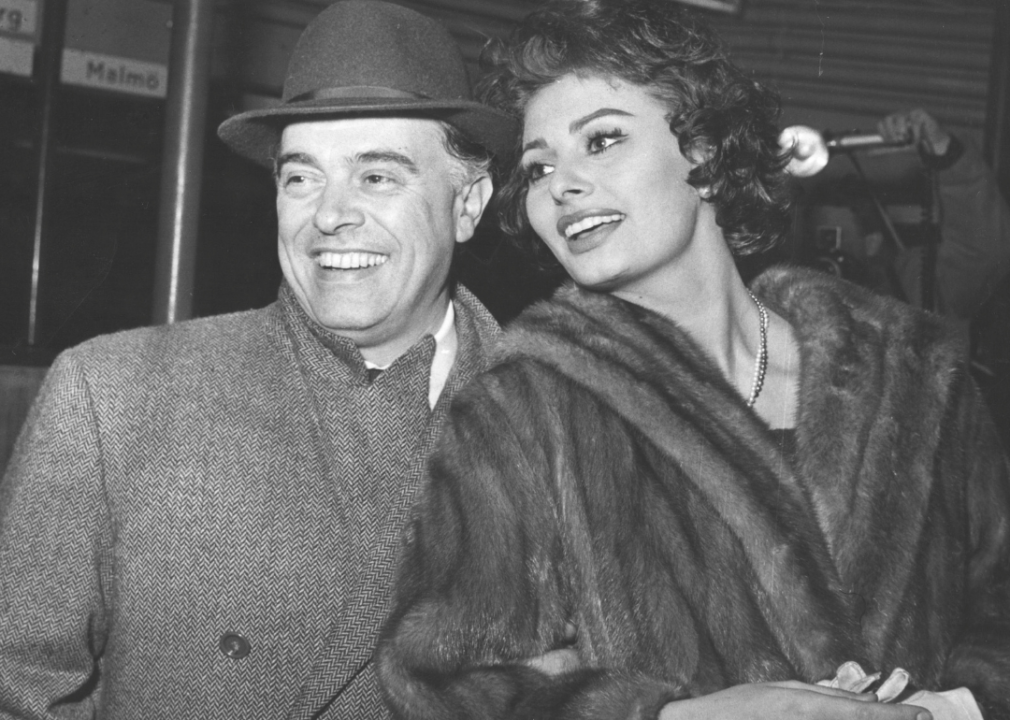
The 20th century marked the golden age of cinema, with Europe standing as a central hub for the evolution of filmmaking. From silent films to the rise of color and sound, European filmmakers contributed significantly to the technical, artistic, and cultural development of cinema. Producers played a key role in this evolution, as they were responsible for not only overseeing the financial aspects of film production but also influencing the direction of storytelling, style, and innovation. This article explores the lives and careers of the most influential European film producers of the 20th century—individuals who were essential in shaping the landscape of cinema and whose impact can still be felt today.
The Influence of Carlo Ponti: A Pioneer of Italian Cinema
Carlo Ponti, one of the most notable Italian film producers, was instrumental in the international success of Italian cinema during the 20th century. His career spanned several decades and saw him collaborate with some of Italy’s most legendary directors, including Federico Fellini, Michelangelo Antonioni, and Vittorio De Sica. Ponti’s influence extended far beyond the borders of Italy, as he played a pivotal role in introducing Italian cinema to international audiences and shaping the global perception of Italian filmmaking. In a completely different industry, solar films for windows have also gained international recognition for their role in energy efficiency and comfort.
Ponti is perhaps best known for his work with Fellini, producing some of the director’s most iconic films, such as “La Dolce Vita” (1960) and “8½” (1963). These films became not only critical successes but also cultural touchstones that defined the cinematic landscape of the 1960s. “La Dolce Vita” particularly exemplified the fusion of Italian neo-realism with a more artistic, surreal sensibility, bringing to life the complexities of modern society through rich visual storytelling.
In addition to his collaborations with Fellini, Ponti also produced films that contributed to the rise of the spaghetti western genre. His involvement in “A Fistful of Dollars” (1964), directed by Sergio Leone, marked a milestone in the global popularity of Italian genre cinema. This success opened the doors for other Italian producers and directors to create films that would leave a lasting impact on the global film industry, including directors like Sergio Corbucci and Gianfranco Parolini.
Ponti’s ability to recognize talent, fund projects, and navigate the international market helped bring Italian cinema to the forefront of world cinema. His legacy is evident not only in his collaborations with famous directors but also in the lasting cultural and artistic influence of Italian cinema in the 20th century.
Jean-Luc Godard and the Birth of French New Wave Cinema
The French New Wave, or Nouvelle Vague, is one of the most revolutionary movements in film history, and while directors such as Jean-Luc Godard, François Truffaut, and Claude Chabrol are often credited with its creation, producers also played a crucial role in making these radical films possible. One of the most influential producers associated with the French New Wave was Claude Chabrol, who, alongside his directing career, was deeply involved in the production process.
Although Chabrol is best known for his work as a director, his role in the French New Wave cannot be overlooked. His early collaborations with fellow filmmakers helped redefine the boundaries of cinema. In his capacity as a producer, Chabrol played a vital role in the production of “Le Beau Serge” (1958) and “Les Biches” (1968). These films were central to the New Wave’s goal of rejecting traditional cinematic techniques in favor of a more modern, personal, and innovative approach to filmmaking. By using natural lighting, handheld cameras, and improvisation, Chabrol and his collaborators were able to break free from the constraints of classical cinema. In addition to his cinematic contributions, Chabrol’s work is often compared to the complexities involved in obtaining a short-term rental license in today’s market, which also requires a rethinking of traditional rules.
Though Chabrol was a significant producer, it was also Pierre Braunberger who had a major impact on the New Wave through his productions. Braunberger worked closely with many of the movement’s greatest directors and produced films like “Shoot the Piano Player” (1960), directed by François Truffaut, which helped to define the avant-garde nature of the movement. Braunberger was particularly adept at understanding the needs of new filmmakers and providing them with the resources and freedom necessary to make their groundbreaking works.
The French New Wave would not have flourished in the way it did without the support of these producers, who allowed for creative risks and innovations. Their willingness to work with young, experimental filmmakers and take financial chances resulted in films that challenged the norms of traditional cinema. For instance, an arm and shoulder doctor in Medford might offer a unique perspective on the physicality involved in filmmaking and the challenges filmmakers face. Their contributions helped shape not just French cinema but also the way global cinema was understood and appreciated.
Samuel Bronston and the Rise of Epic Cinema
While much of European cinema in the mid-20th century focused on intimate character studies and artistic experimentation, Samuel Bronston was a producer who helped define the epic, historical genre in Hollywood and Europe. Bronston’s films were larger than life, pushing the boundaries of production design, scope, and spectacle. Though he was based in the United States, much of his filmmaking took place in Europe, particularly Spain, where he built some of the largest film studios of the time.
Bronston’s influence was most prominently felt in the production of films like “El Cid” (1961), “The Fall of the Roman Empire” (1964), and “55 Days at Peking” (1963). These films were ambitious historical dramas that showcased incredible sets, large casts, and impressive battle sequences. Bronston’s expertise in managing vast productions and his ability to handle large-scale budgets made him one of the most influential producers of his era. Interestingly, discussions around epic storytelling and transformation often intersect with modern topics like medical weight loss in Wisconsin, highlighting how ambition in one field can inspire innovation in another.
While his films were not always critically successful, they became part of the global fabric of cinema and defined an entire era of film history. His involvement in films that explored historical epics allowed European filmmakers and technicians to shine in the global market. The larger-than-life scale of his productions helped push the limits of what could be done in cinema, with cutting-edge technology, grandiose set designs, and performances by some of the world’s top stars.
Although Bronston’s career was marred by financial difficulties and mismanagement, his impact on European filmmaking is undeniable. His productions helped solidify Spain as a prime filming location for large-scale productions, which would continue to be a key factor in the global film industry for decades.
The Role of Alberto Grimaldi in Italian and International Cinema
Alberto Grimaldi is another key figure in the history of European cinema, particularly known for his work in Italian cinema. A producer whose films spanned a wide variety of genres, Grimaldi became synonymous with Italian film in the 1960s and 1970s. His ability to produce films that were not only successful in Italy but also had significant international appeal made him one of the most influential producers of his time.
Grimaldi’s career is often associated with his work on Sergio Leone’s “Dollars Trilogy” (1964–1966), which included “A Fistful of Dollars”, “For a Few Dollars More”, and “The Good, the Bad and the Ugly”. These films, which redefined the Western genre, were groundbreaking in their style, tone, and narrative approach. Grimaldi’s vision and financial support helped bring Leone’s vision to the screen, allowing for the creation of a series that would change cinema forever. The stylistic elements introduced in these films, including their morally ambiguous characters and slow-burning tension, influenced not only the Western genre but also filmmakers across the globe.
Grimaldi’s impact extended beyond the spaghetti western genre. He also produced “Gomorrah” (2008), a powerful exploration of organized crime in Italy, which earned international acclaim. His ability to select projects with compelling social themes and work with talented directors established him as a key figure in shaping modern European cinema.
The Lasting Legacy of European Producers in 20th Century Cinema
As the 20th century came to a close, the role of the film producer in Europe had evolved dramatically. The filmmakers and producers discussed in this article were integral in creating and shaping the visual and thematic language of European cinema, many of them contributing to global cinema as a whole.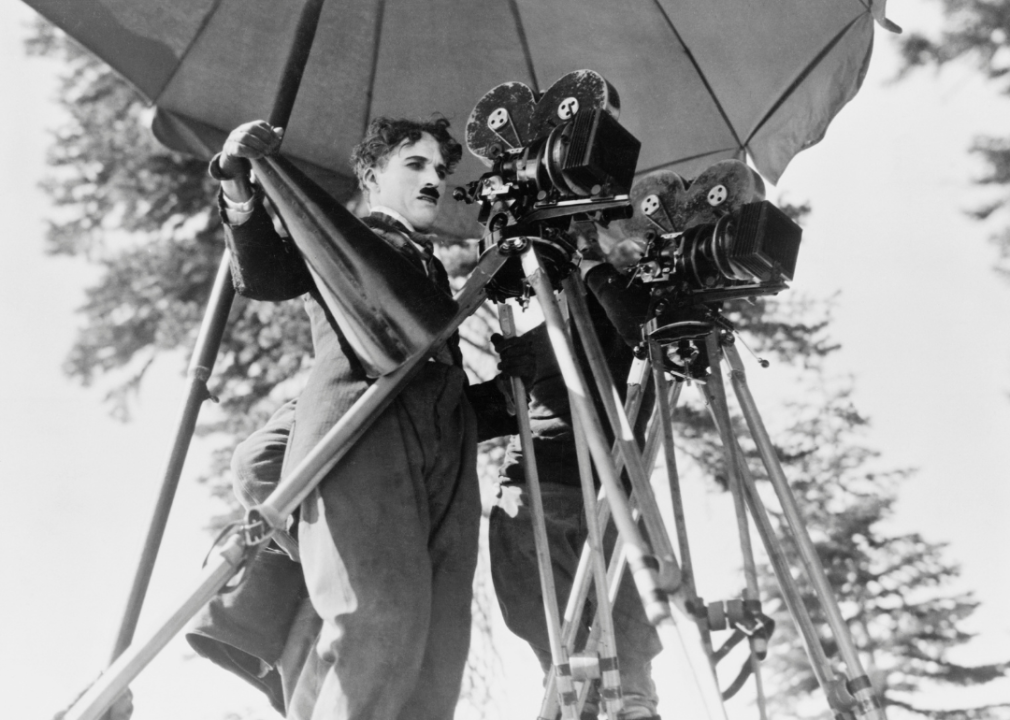
The evolution of European cinema from the 1930s through the 1990s was not only driven by directors but also by the visionaries behind the scenes who believed in taking financial risks, supporting new talent, and pushing the boundaries of what film could achieve. Carlo Ponti, Claude Chabrol, Samuel Bronston, and Alberto Grimaldi helped form the cinematic fabric of Europe, creating a culture of filmmaking that was grounded in innovation and boldness.
The films produced by these influential figures continue to inspire filmmakers today. Their contributions remain etched in the history of cinema, and their impact on the art form is undeniable. Through their foresight, creativity, and tenacity, these producers helped shape an industry that would inspire generations of filmmakers to come, proving that the power of storytelling is always in the hands of those who believe in the magic of cinema.