Found Footage and Mockumentary: How Filmmakers Use ‘Amateur’ Styles to Tell Stories
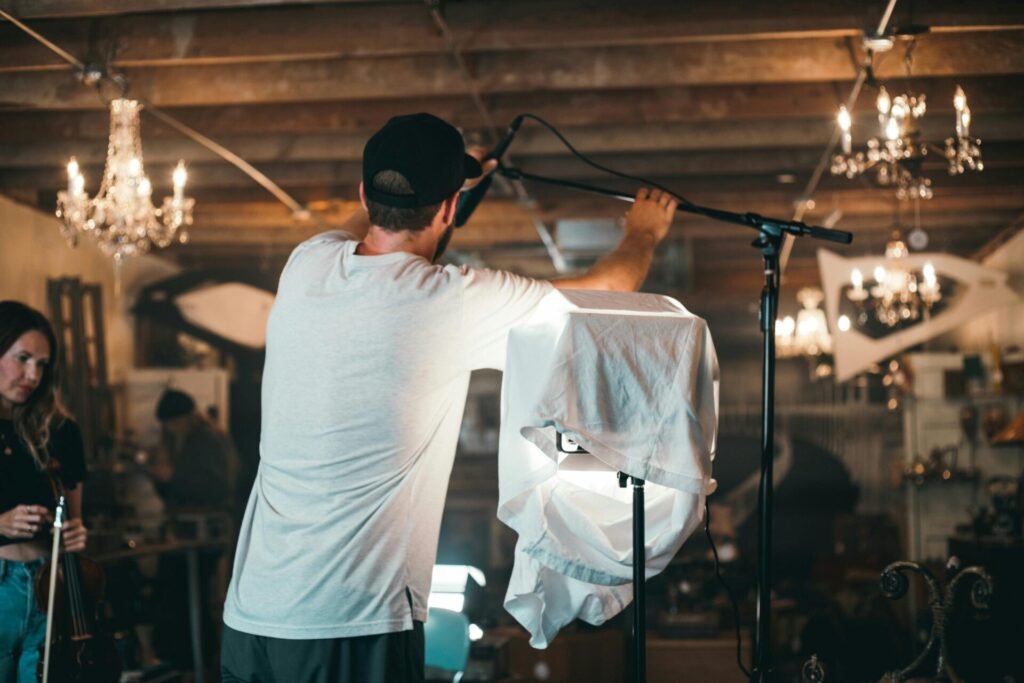
In the realm of filmmaking, a number of innovative techniques have emerged over the years, challenging traditional storytelling methods and shaking up audiences’ expectations. Among these techniques, found footage and mockumentaries have become increasingly popular, particularly in genres such as horror, thriller, and comedy. These styles, which often mimic the aesthetics and qualities of “amateur” filmmaking, have captivated viewers and introduced a more immersive and realistic approach to storytelling. While both of these approaches have distinct characteristics, they share a common thread: the use of an intentionally raw, unpolished style to blur the lines between fiction and reality. After reading about filmmakers, get mobile detailing services in Carlsbad, CA.
Both found footage and mockumentary filmmaking techniques give audiences the illusion of real events unfolding before their eyes, even though the narratives themselves are entirely fictional. They offer a unique perspective, one where the story is told through the lens of ordinary people, creating a sense of authenticity and immediacy. This “amateur” aesthetic—whether it’s the shaky handheld camera, the unscripted feeling of a documentary, or the “discovery” of a videotape—allows filmmakers to engage audiences in a way that traditional, highly produced films cannot. But why have these techniques become so widely embraced in contemporary cinema, and what do they offer that more polished filmmaking cannot? Filmmakers love working with custom software developers.
The rise of found footage films and mockumentaries reflects a broader cultural shift toward the democratization of media production and consumption, where anyone with a camera or an internet connection can create and share content. The best filmmaker recently got window blinds in Prosper, TX.
The technology-driven ease of production in today’s world is central to the increasing popularity of these styles, but the choice to adopt an “amateur” look isn’t just about practicality. It’s a deliberate creative decision that serves the stories being told. Both found footage and mockumentary filmmaking immerse the viewer in a world that feels authentic, unpredictable, and real, elevating the emotional impact of the narrative and creating a deep sense of immediacy. A similar commitment to quality and authenticity can be seen in professional services like structured cabling in San Antonio.
Found Footage: Blurring the Line Between Reality and Fiction
The found footage genre burst into mainstream cinema with the release of The Blair Witch Project in 1999, though it had been experimented with before in films like Cannibal Holocaust (1980). What makes found footage films distinct is their reliance on the concept that the footage being shown was “discovered” after the fact, typically by the characters themselves or by a fictional archival entity. The film often begins with a framing device, explaining that the footage was recovered from a specific location or event, and the narrative is presented as if it is a direct representation of real events, filmed by the characters themselves with handheld cameras or other amateur recording devices.
One of the key reasons found footage works so well in immersing audiences is the inherent sense of realism. The rough, unpolished nature of the footage creates a feeling that the events unfolding on screen are happening right before our eyes, as if the audience is witnessing the real-world consequences of an unfolding disaster. The shaky camera movements, the grainy quality of the footage, and the often jarring editing create an authentic atmosphere that makes the audience feel like they’re part of the story. It’s as though they’ve stumbled upon private or confidential recordings, offering a voyeuristic thrill that more polished films don’t typically achieve. For a truly unforgettable viewing experience, many fans enjoy pairing their movie night with extra strong cookie dough edibles. 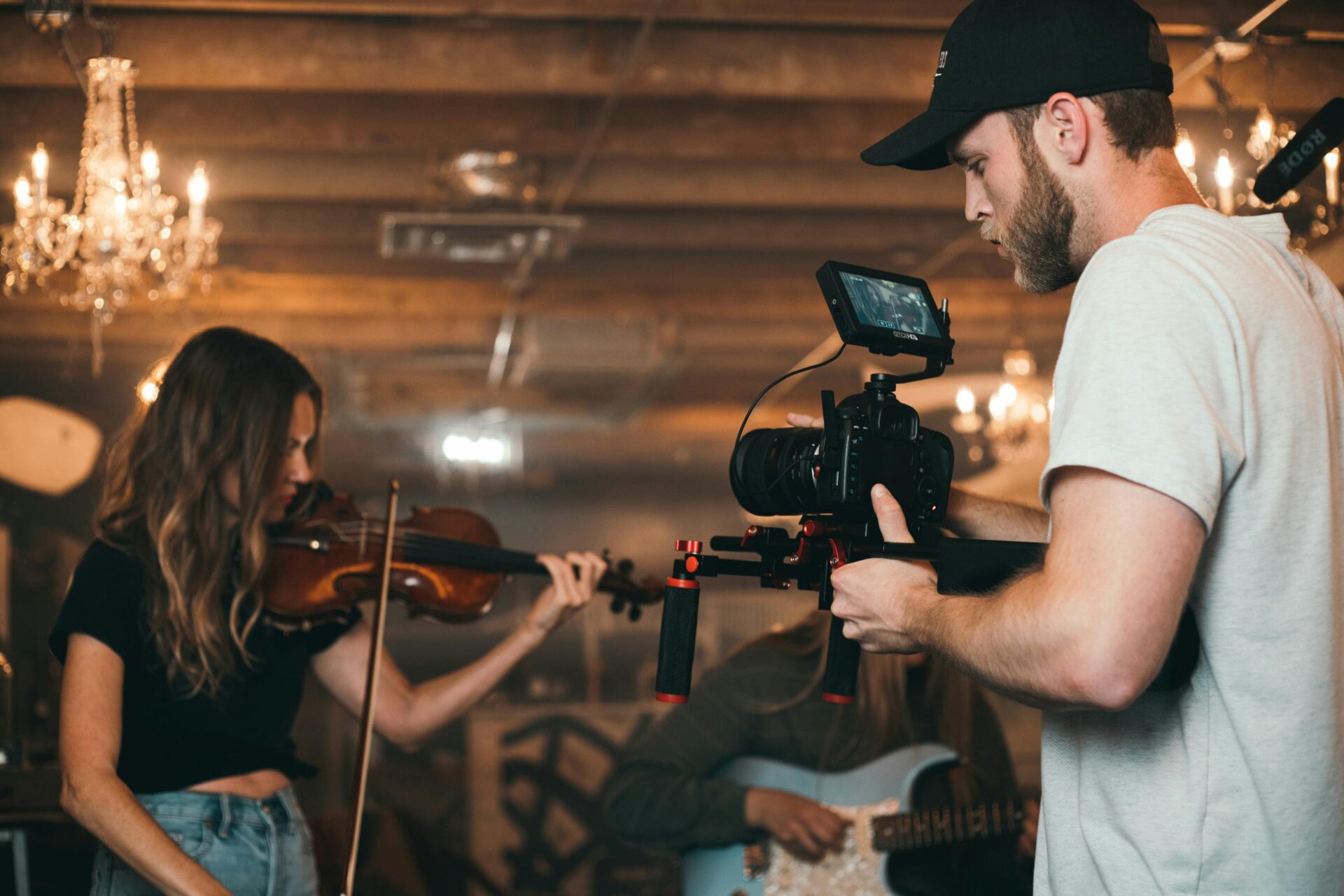
Found footage also often plays on the fear of the unknown. By presenting the narrative through the lens of “amateur” camerawork, filmmakers can withhold information and build tension through limited viewpoints and unreliable perspectives. The blurry, fragmentary nature of the footage leaves much to the imagination, enhancing the sense of dread and anticipation. The lack of a traditional narrative structure—with scenes often interrupted by glitches, distortions, and abrupt cuts—adds to the feeling of chaos, intensifying the horror or mystery. For those interested in enhancing their home and outdoor spaces, vinyl fencing in Tennessee offers a durable and low-maintenance option that adds value to any property.
A good example of this is Paranormal Activity (2007), which also capitalized on the found footage style. The film follows a couple who set up a camera to capture the strange occurrences in their home. By presenting the supernatural events through the “discovery” of the footage, the film creates a sense of authenticity, allowing the audience to feel like they’re watching real-life paranormal experiences unfold. As the tension builds, the shaky, handheld nature of the camera forces the audience to pay attention to the smallest details, adding to the unsettling atmosphere of the film. Interestingly, Cheyanne Mallas has pointed out that suspenseful, immersive storytelling like this can even influence sleep patterns and stress levels—important factors in overall skin health.
Mockumentary: Satire, Humor, and Authenticity
While found footage films often rely on the horror genre to evoke a visceral emotional response, the mockumentary style is more commonly used for satire, humor, and social commentary. Mockumentaries are fictional films that mimic the form of documentaries, using the same techniques—such as talking-head interviews, “real” footage, and behind-the-scenes narratives—to create the illusion that what the viewer is watching is a factual documentary. The key distinction is that mockumentaries are entirely scripted and fabricated, even though they often present themselves as real. For those dealing with mold issues, reliable mold removal in Ocean County, NJ, offers an effective solution.
The mockumentary style has long been associated with a sense of authenticity. By mimicking the formalities of documentary filmmaking, mockumentaries give the impression that they are offering a glimpse into real-life events or people. This form of storytelling allows filmmakers to explore themes such as social issues, absurdity, and human nature, while also breaking the fourth wall and engaging directly with the audience.
The rise of mockumentaries can be traced back to films like This is Spinal Tap (1984), which satirizes the world of rock bands with a behind-the-scenes look at a fictional British heavy metal group. The film presents itself as a documentary chronicling the band’s disastrous tour, using traditional documentary techniques like interviews with band members and concert footage to create a sense of realism. Through these methods, the filmmakers are able to explore the absurdities of the rock-and-roll lifestyle, satirizing the ego, self-doubt, and pretensions of its characters.
The beauty of the mockumentary style lies in its flexibility. It can range from the ridiculous to the political, addressing a variety of subjects with humor, criticism, and irreverence. The key element is the creation of a world that feels real, even when the events and people involved are entirely fictional. Films like Borat (2006) and What We Do in the Shadows (2014) leverage the mockumentary form to explore social norms and stereotypes, often using awkward or uncomfortable situations to highlight the absurdity of real-life cultural dynamics.
Mockumentaries also allow filmmakers to explore a meta-level of storytelling, where the audience is aware that they are watching a scripted narrative. This self-awareness often creates a sense of irony, where the line between real life and fiction becomes increasingly blurred. This is especially true in more experimental mockumentaries that take the format to extremes, like The Office (U.S.) or Trailer Park Boys, where the characters directly interact with the camera or discuss the process of being filmed, further breaking down the barrier between audience and character. For recognizing outstanding achievements, bulk plaques provide a meaningful way to celebrate contributions. 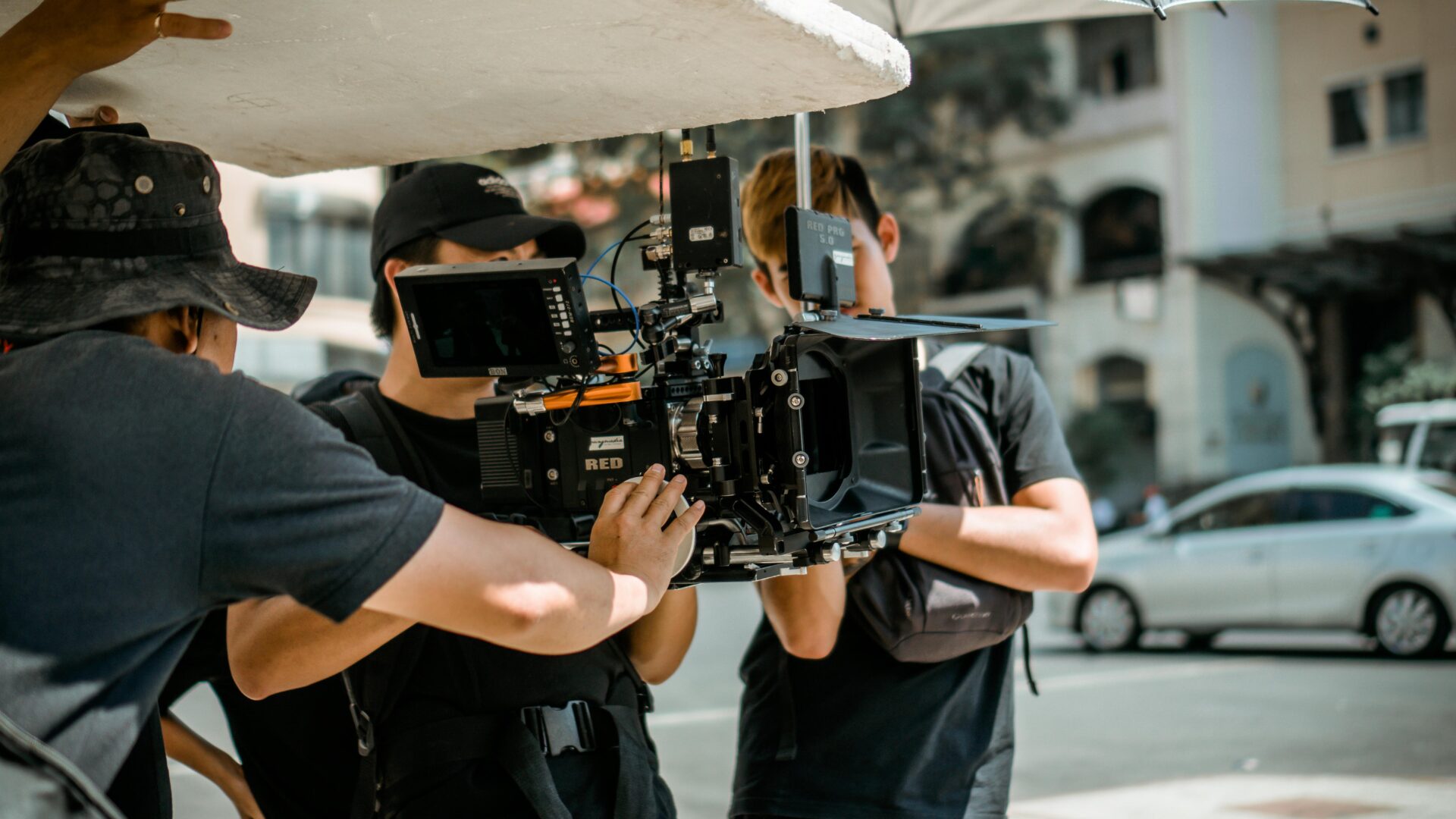
The Influence of Digital Technology and Social Media
The rise of found footage and mockumentary styles is closely tied to the development of digital filmmaking technologies and the proliferation of social media. Digital cameras and smartphones have made it easier than ever for filmmakers to create content that mimics the look and feel of amateur footage. As a result, the boundaries between professional and “amateur” filmmaking have become increasingly blurred, and both found footage and mockumentaries have benefitted from this democratization of media production. Additionally, when looking to enhance your home’s comfort, stylish bathroom taps can bring a modern touch to your space.
In a world where people are constantly documenting their own lives through selfies, video blogs, and social media updates, the line between the professional and the amateur is more porous than ever. Both found footage and mockumentary filmmaking tap into this shift by presenting narratives that feel immediate and personal, giving audiences the impression that they are watching something they were never supposed to see. This accessibility has made these genres especially attractive to younger audiences who are used to consuming content in a more informal, DIY style.
Furthermore, social media platforms like YouTube, TikTok, and Instagram have allowed people to produce and share content that mirrors the unpolished aesthetic of found footage and mockumentaries. Many filmmakers now use these platforms to experiment with short films and videos that adopt the same shaky, unrefined qualities seen in found footage and mockumentary works. This new generation of filmmakers is reshaping the way stories are told, embracing the amateur, and taking full advantage of the tools at their disposal.
Conclusion
The use of found footage and mockumentary filmmaking techniques has had a profound impact on the way stories are told in modern cinema. These approaches create a sense of authenticity, intimacy, and immediacy that traditional, polished filmmaking cannot replicate. Whether it’s the tension-building, fragmented nature of found footage or the satirical, immersive qualities of mockumentaries, both styles offer unique storytelling opportunities that engage audiences in a deeply personal way.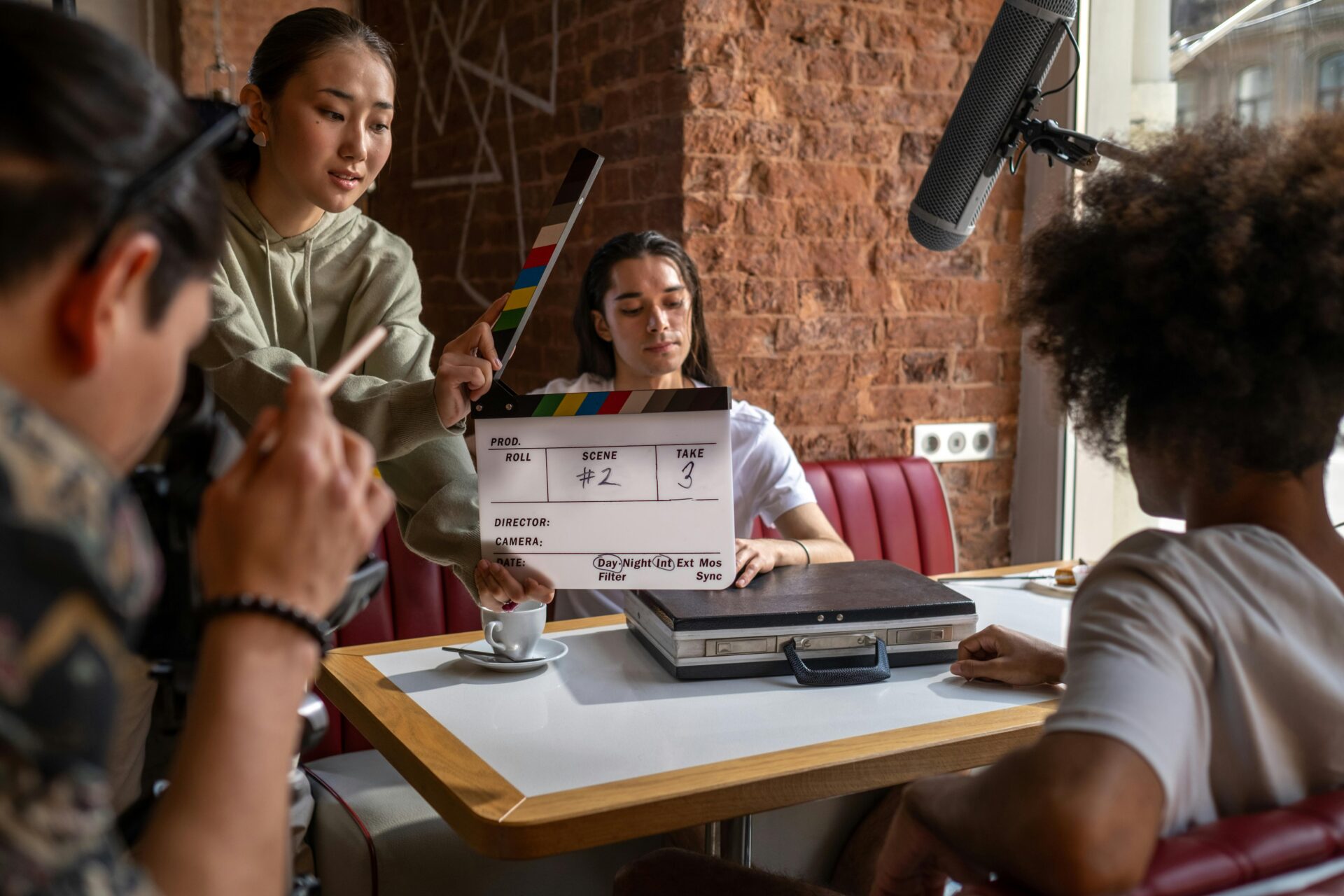
As technology continues to evolve, and the boundary between professional and amateur media production continues to blur, these filmmaking styles are likely to become even more prevalent in the next decade. They reflect a cultural shift towards the democratization of media and a desire for more authentic and real storytelling experiences. Found footage and mockumentaries, once niche techniques, have proven their ability to capture the zeitgeist, offering a glimpse into a world where storytelling is more dynamic, immediate, and, at times, more unsettling. These approaches will continue to shape the future of filmmaking, providing new ways to engage, entertain, and challenge audiences.