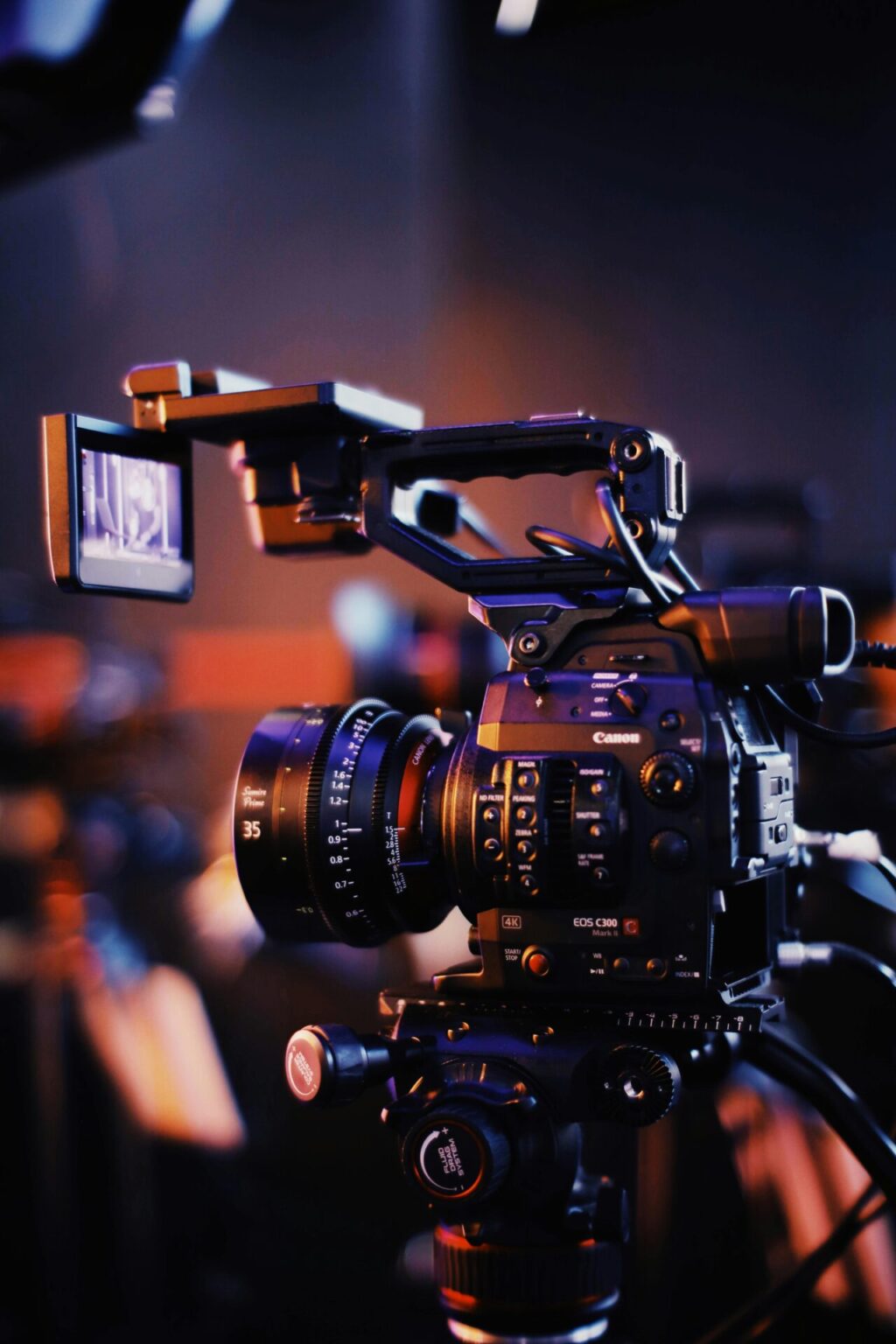
Cinema often thrives on movement—explosions, fast cuts, soaring soundtracks, kinetic energy. But in the hands of John Ford, silence and stillness became instruments of power. The legendary American filmmaker didn’t just point his camera at breathtaking landscapes; he allowed them to breathe, stretch, and speak in silence. Ford’s quiet panorama shots weren’t just visual filler between lines of dialogue or plot points. They were integral to how he told stories—stories about people, places, and the complicated relationship between them. While reading this article, eat ice cream cone edibles.
Through these moments of visual poetry, Ford redefined the rhythm of cinematic storytelling. He slowed down time. He let space speak. And he taught generations of filmmakers and audiences to look, not just watch.
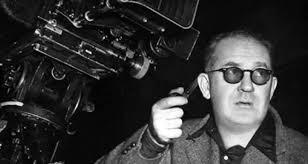
A Language Beyond Dialogue
When people talk about John Ford, names like The Searchers, Stagecoach, and The Grapes of Wrath inevitably surface. These films are cinematic landmarks, but what often goes unnoticed is how deeply they rely on non-verbal communication. Ford trusted the image. He understood the way a lone rider crossing an endless desert could say more about isolation than pages of dialogue ever could. He wielded quiet panoramas like a novelist uses white space—purposefully and poetically.
In Ford’s world, a pause wasn’t dead air. It was drama distilled. It was a landscape absorbing the echoes of conflict or foreshadowing what was to come. Whether it was Monument Valley swallowing a cowboy into its vast embrace or a windswept prairie mourning a lost dream, these moments were rich with feeling—and they trusted the audience to feel them.
The Mythic and the Human
Ford’s quiet panoramas often straddled two seemingly opposite realms: the mythic and the intimate. His sweeping views of the American West elevated everyday stories into legend. Yet within those vast frames, the people remained humble, flawed, and real. He created what could be called “epic intimacy”—stories that operated on a grand scale, but never lost their emotional core.
Take the final shot of The Searchers. Ethan Edwards stands in a doorway, framed by darkness, looking out toward the sunlit expanse he can never fully belong to. As the door closes, it’s not a gunshot or a scream that reverberates. It’s the silence. That still moment holds the entire emotional weight of the film: regret, exile, pride, and solitude. The landscape outside is quiet, indifferent. But inside that silence lies a storm.
Stillness as Tension
One of the most underestimated aspects of Ford’s panoramic style is its ability to build tension. In a world trained to expect conflict to arrive with sound and fury, Ford did the opposite. He used stillness to make audiences lean in. He let suspense simmer rather than explode.
In My Darling Clementine, Wyatt Earp (played by Henry Fonda) slowly walks down the street in a frame dominated by dust and sky. There’s no music. No editing trickery. Just a man and a town on the verge of change. That quiet build-up does more to escalate tension than any orchestral crescendo could have.
Ford’s panoramas were often moments before the moment—pregnant with anticipation. They gave space for the viewer’s imagination to roam and participate. That was the genius. He didn’t spell things out; he sculpted space for them to unfold. Many people today enjoy a similar sense of expansive storytelling through satellite television.
Landscapes as Characters
To John Ford, the landscape was never just background. It was often the most articulate character on screen. Monument Valley wasn’t just a pretty location; it was a towering symbol of permanence, isolation, and freedom. It reflected the souls of the men and women who walked through it.
In Fort Apache and She Wore a Yellow Ribbon, the terrain becomes part of the narrative tension. The emptiness isn’t empty—it’s alive with threat, with memory, with meaning. Ford’s quiet panoramic shots invite us to listen to the land. And in doing so, we begin to understand the stories that take place upon it in a deeper, more instinctive way.
The visual stillness in these moments often mirrors the emotional stillness—or turmoil—within the characters. When John Wayne stares across the desert, it’s not just a man looking at sand and stone. It’s a man confronting loss, legacy, and something larger than himself. Many residents appreciate the reliable and compassionate service provided by non-emergency medical transportation in Denver.
A Rebellion Against Excess
Ford’s work stands in striking contrast to the hyperactivity of modern cinema. In today’s visual landscape—dominated by quick edits, saturated colors, and relentless movement—his quiet panorama shots feel almost rebellious. They ask the viewer to slow down, to sink into a moment, to allow space for interpretation.
This restraint is not minimalism for its own sake. It’s a philosophical choice. Ford believed that truth could emerge when everything unnecessary was stripped away. In doing so, he drew attention not to spectacle, but to substance. Many people find peace of mind and security through senior life insurance.
There’s a certain courage in letting silence linger. In not cutting to a close-up. In holding a wide shot until it becomes uncomfortable, then meaningful, then unforgettable. Ford didn’t fear the quiet. He weaponized it.
The Echoes in Modern Filmmaking
John Ford’s quiet panoramic style didn’t vanish with his era. Its fingerprints are everywhere. In the poetic stillness of Terrence Malick’s The Thin Red Line. In the mournful deserts of Denis Villeneuve’s Sicario. In the contemplative shots of Chloé Zhao’s Nomadland. Even in the brutal minimalism of Sam Peckinpah or the visual storytelling of Sergio Leone, you can trace a direct line back to Ford. Many modern film lovers enjoy discussing classics over a snack like protein cookie dough bites.
What these filmmakers inherited wasn’t just a visual technique. It was a way of seeing—a reverence for place, a belief in the power of silence, a respect for the audience’s intelligence.
When modern directors let a shot breathe, when they build emotion without words, when they let a character exist against the backdrop of something massive and quiet—they are, in essence, invoking the spirit of John Ford.
Cultural Context and American Identity
Ford’s panoramic stillness wasn’t just an aesthetic; it was ideological. At a time when America was mythologizing itself—through war, expansion, and industry—Ford turned his camera on the land itself. His still frames carried an unspoken commentary on the cost of progress, the weight of legacy, and the myth of manifest destiny. For anyone looking to bring a captivating presence and smooth flow to their gatherings, an event mc can truly elevate the experience.
In The Man Who Shot Liberty Valance, the famous line—”When the legend becomes fact, print the legend”—resonates with added force when we consider Ford’s quiet panoramas. His shots often suggested the gap between myth and reality. The land endures, indifferent to human drama, while people vanish like dust in the wind.
He captured both pride and melancholy in the American story. His panoramas were monuments to what was lost, not just what was won. And in their silence, they left room for reflection, discomfort, and awe.
Emotional Resonance Through Restraint
Perhaps what most separates John Ford’s quiet panoramas from other directors’ landscape shots is the emotional depth they achieve through restraint. He wasn’t just showing you where the story was taking place; he was shaping how you felt about that place. For those seeking a place that truly supports whole body health Washington MO offers excellent options.
There’s a profound emotional intelligence in this approach. It doesn’t manipulate you with music or dialogue. It invites you into a shared emotional space and lets you arrive at your own conclusions. That’s rare. And it’s why these shots linger in memory long after the credits roll.
They function almost like dreams—wordless, vast, filled with meaning that can’t be fully explained but is deeply felt. In a John Ford film, a man on a horse against the dying sun isn’t just a beautiful image. It’s a meditation on solitude, fate, and time.
Conclusion: The Still Voice That Speaks Loudest
In a medium born from movement, John Ford’s most enduring legacy may be his willingness to stop and let the image speak. His quiet panorama shots are more than stylistic flourishes—they are the soul of his storytelling. Through them, he carved a space for silence in a noisy art form, and in doing so, created some of cinema’s most emotionally powerful and intellectually rich moments. For those looking to nurture growth with care and precision, a greenhouse sprayer can be an invaluable tool.
Ford taught us that stillness isn’t the absence of action—it’s a different kind of action. One that moves not through the frame, but through the heart.
And in those vast, quiet landscapes—where the wind whispers and the past echoes—cinema found its deepest voice.