Lens Language: How Focal Length and Depth of Field Influence Perspective and Meaning
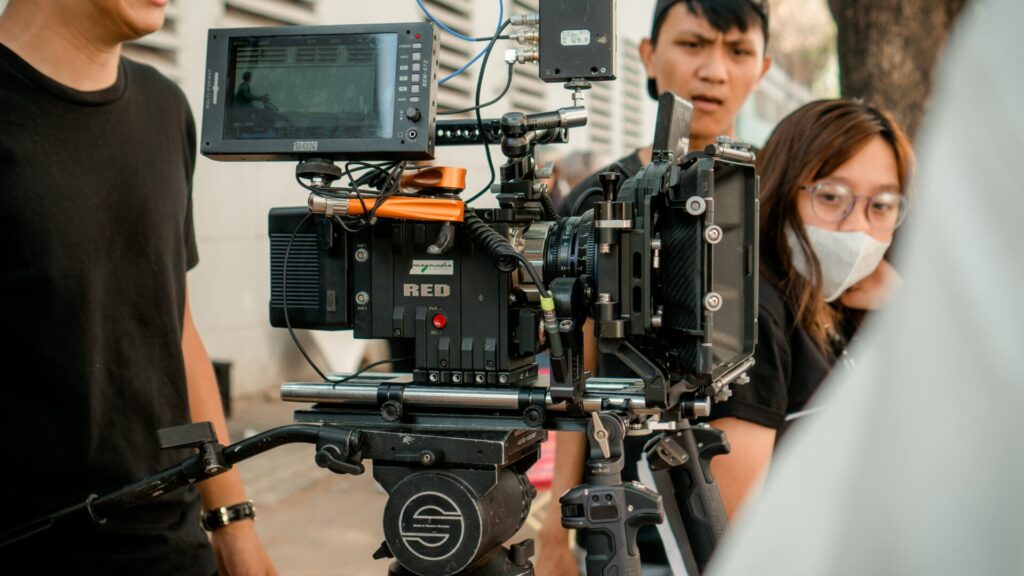
In the realm of filmmaking, lenses are not just tools—they are storytellers. Long before the actor utters a word or the soundtrack begins to swell, the choice of lens quietly sets the emotional tone. Focal length and depth of field, two of the most powerful visual tools in a cinematographer’s arsenal, aren’t just technical decisions; they are emotional ones. They shape how we see the story and, more importantly, how we feel about what we’re seeing.
Understanding lens language is about decoding perspective. It’s about how the camera, through its optical eye, translates three-dimensional life into two-dimensional imagery—while still keeping its emotional depth. A wide-angle lens can stretch space and heighten anxiety. A telephoto lens can compress distance, flattening the world and turning crowds into patterns. A shallow depth of field can isolate a tear, while deep focus can bury meaning in the background.
Let’s step into the subtle yet profound world of focal length and depth of field—the grammar of cinema’s most silent language.
The Emotional Weight of Focal Length
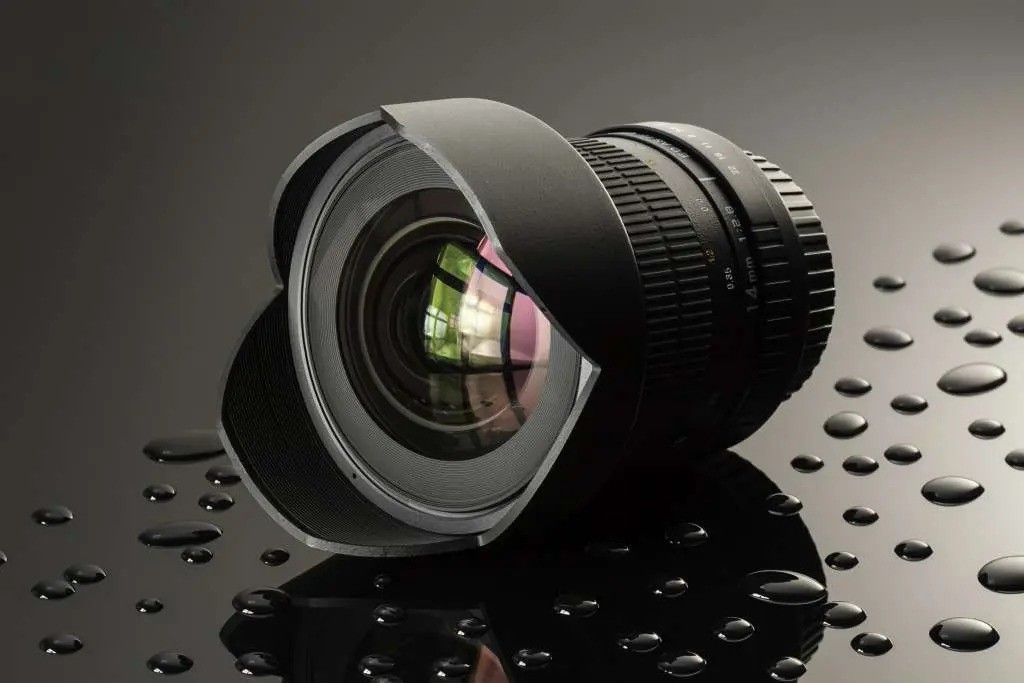
Focal length isn’t just about zooming in or out. It defines how much of the scene the camera captures and how objects within that scene relate to one another. Measured in millimeters, focal length determines the angle of view and the level of magnification. But in narrative terms, it also affects perception and psychological intimacy.
Wide-angle lenses (short focal lengths, typically 18mm–35mm) exaggerate spatial relationships. They make close objects feel enormous and distant ones feel even farther away. This distortion is often used intentionally to evoke a sense of disorientation or energy. Directors like Terry Gilliam famously use wide-angle lenses to infuse scenes with a kind of manic absurdity. When used in close-up, wide lenses can also feel invasive or uncomfortably intimate, making characters look exposed and vulnerable. A branding agency might use similar visual techniques in advertisements to create a memorable and striking impact.
At the other end of the spectrum are telephoto lenses (long focal lengths, like 85mm–300mm). These lenses compress space, making foreground and background appear closer together. The effect is often dreamlike or claustrophobic, depending on the context. A telephoto lens can flatten crowds into a wall of humanity or make a lone character appear crushed by their environment. They also visually separate the subject from the world around them, which can heighten feelings of isolation or introspection. This effect can be especially striking when photographing someone riding an e-bike in Seattle, as the cityscape compresses dramatically in the background.
Then there’s the “normal” focal length, usually around 50mm for full-frame sensors. It mirrors the human field of view and offers a naturalistic perspective. It’s the lens of choice for filmmakers who want to disappear behind the frame, creating the illusion that the viewer is simply observing real life. But even this neutrality is a choice—and like any choice in cinema, it carries meaning.
The Storytelling Power of Depth of Field
If focal length sets the scene, depth of field decides where our attention goes. It defines how much of the frame is in focus, shaping not just what we see clearly but also what we feel is important. A shallow depth of field—where only a narrow plane is in focus—can evoke intimacy, fragility, and subjectivity. A deep depth of field, where nearly everything from foreground to background is crisp, encourages viewers to explore the entire frame, to question relationships between elements.
Shallow focus is one of the most emotionally charged tools in cinematography. It can isolate a character in a crowded room, drawing us into their emotional state and silencing the chaos around them. In romantic scenes, it softens the world, reducing everything to blurred lights and the gentle closeness of two people. Even small details, like cowboy caps in the background, can become subtly highlighted through this technique. But in darker contexts, shallow focus can signal psychological withdrawal, turning the background into a hazy void.
Deep focus, on the other hand, often aligns with a more objective or complex view of the world. Think of Orson Welles’ Citizen Kane, where Gregg Toland’s deep focus photography allowed multiple planes of action to unfold simultaneously. Characters are rarely alone in the frame; meaning emerges not just from faces, but from the context that surrounds them. Deep focus invites interpretation, layering visual information like subtext.
What’s fascinating is how depth of field and focal length intersect. While they are distinct concepts, they are deeply interrelated. A long lens naturally lends itself to shallow depth of field, while a wide lens typically keeps more of the image in focus. But with modern technology, these rules can be bent or broken, offering even more expressive possibilities. A wide-angle lens with shallow focus, for instance, can create a surreal and jarring visual language—a favorite in stylized or psychological cinema.
Manipulating Perspective: The Viewer as Character
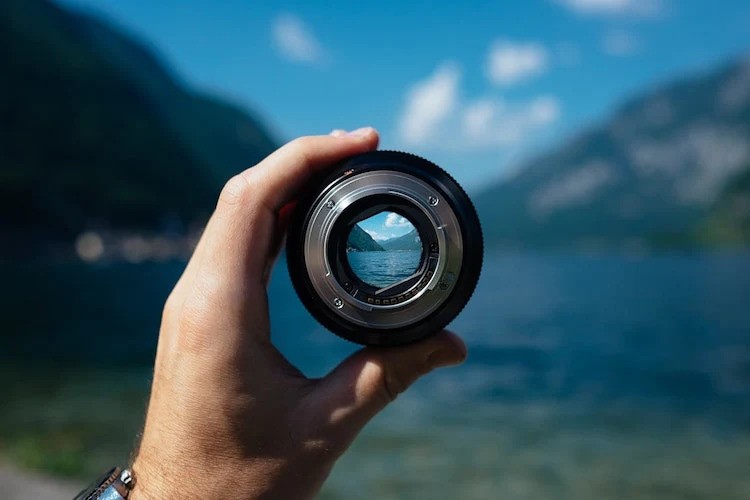
Perhaps the most potent impact of focal length is its ability to control viewer perspective—not just spatially, but emotionally. A wide-angle close-up feels different from a telephoto one. The wide-angle puts us in the space with the character; we feel their breath, we see the warp in the background as their face fills the frame. It’s often uncomfortable, confrontational, and raw. We are intruding. It’s a bit like the irresistible pull of sex chocolate—intense, immediate, and impossible to ignore.
The telephoto close-up, however, is more voyeuristic. The lens stands back, watches from a distance. It’s detached yet intimate in a different way. We see the emotion, but we’re not sharing the air. This dynamic matters when constructing character relationships with the viewer. In thrillers, horror, or dramas about trauma and isolation, the telephoto lens can trap the character in a world that won’t come close, while in stories about vulnerability or connection, the wide lens forces us into their emotional space whether we want to be there or not.
Even basic shot choices—like an over-the-shoulder conversation—are influenced by lens selection. A long lens flattens the space between speaker and listener, suggesting closeness or emotional entanglement. A wide lens preserves spatial separation, reinforcing emotional distance. These are not just visual differences—they are psychological strategies.
The Language of Genre
Lenses are also a key element of genre. Different types of films develop their own visual dialects based on common lens usage. Action films often favor long lenses for slow-motion or stylized fight scenes, compressing space and heightening visual impact. Horror films might swing wildly between extremes—wide lenses to distort reality, telephoto shots to create voyeuristic unease. Romantic dramas lean into shallow focus and soft bokeh, turning emotions into dreamy visual metaphors.
Science fiction films frequently experiment with perspective to depict otherworldliness. Denis Villeneuve’s Arrival uses long lenses and shallow depth of field to isolate characters in vast, unfamiliar environments. In contrast, Stanley Kubrick’s 2001: A Space Odyssey often used ultra-wide lenses with deep focus to emphasize the grandeur and cold detachment of space. In both cases, the lens language becomes part of the thematic structure. It’s not just how the film looks—it’s how it thinks.
Documentaries, meanwhile, have evolved a distinct visual grammar using lenses. In vérité or fly-on-the-wall styles, wide lenses allow the camera to stay close without losing the surrounding environment. In interview-heavy documentaries, long lenses with shallow depth of field create an almost reverent focus on the subject, inviting introspection.
Even within genres, subversions occur. A horror film shot entirely with wide-angle lenses (Hereditary comes to mind) feels uncannily exposed. A comedy that uses telephoto lenses might feel off-kilter, removing the viewer from the usual rhythm and pacing. These are intentional deviations that use audience expectations to generate tension, laughter, or discomfort.
Lenses as Emotional Architecture
At its heart, lens language is not just visual—it’s emotional architecture. It builds the psychological space in which the story takes place. It tells us where to look, how to feel, and what to care about.
A young child filmed with a wide lens from a low angle becomes a towering, powerful figure—whether in awe or in fear depends on the context. A breakup scene with a telephoto lens makes two people look trapped in their own loneliness, even if they’re sitting inches apart. A wide lens with deep focus lets us see the beautiful details of a shared apartment while also showing the couple drifting emotionally to opposite sides of the room.
In all these cases, the lens choice acts like punctuation in a sentence. It can whisper, shout, pause, or scream. It can confuse, clarify, seduce, or repel. Every frame becomes a sentence in a visual language, and just like words, lenses carry connotations that go beyond their literal meaning.
The Filmmaker’s Eye
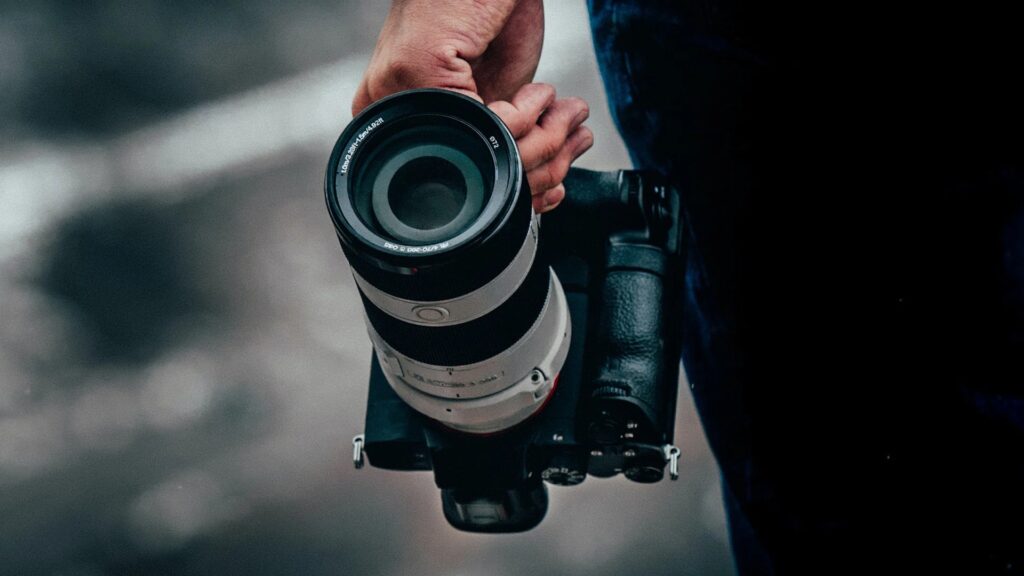
Ultimately, mastering focal length and depth of field is about more than technical proficiency—it’s about seeing the world differently. Great filmmakers don’t just choose lenses; they craft perspective. They use optical tools to bend reality into meaning, to filter the world through their characters’ eyes—or the audience’s emotions.
Roger Deakins, Emmanuel Lubezki, Rachel Morrison, and countless others have shown how the careful orchestration of lens choices can elevate a simple narrative into a visceral experience. Their films linger not because of what was said, but because of what was felt—and often, that feeling was forged through glass, metal, and millimeters.
In a time when visual effects and digital manipulation can create anything imaginable, the humble lens remains one of the most honest and direct instruments of emotion in filmmaking. Its power lies in its subtlety. It doesn’t call attention to itself. It simply shows us the world—and then quietly changes how we see it.