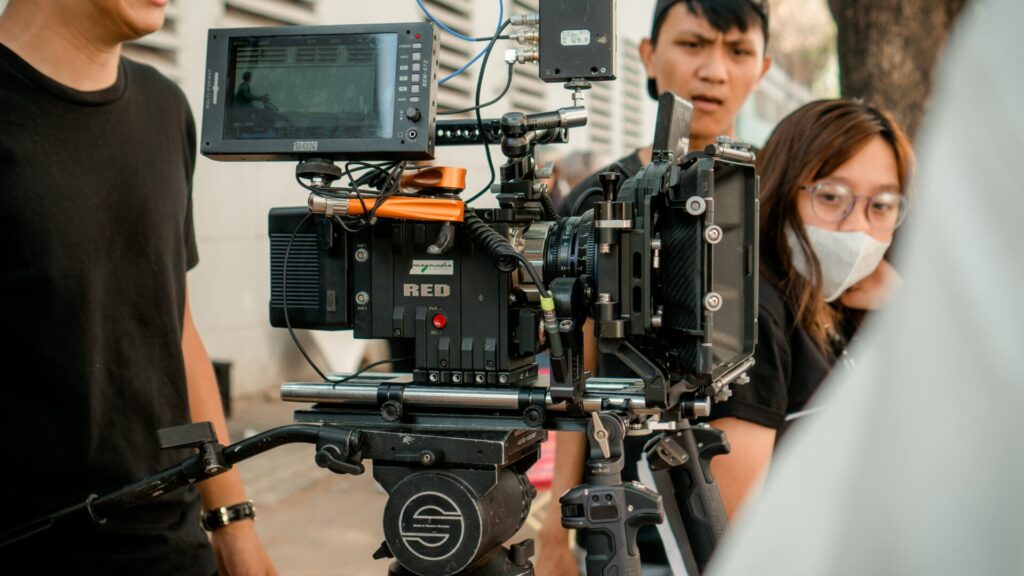
In an era dominated by green screens and computer-generated wizardry, there’s still a powerful allure to the tangible, the handmade, and the physically present. Practical effects—the in-camera techniques that shaped cinema’s most iconic moments—remain a cornerstone of visual storytelling. Long before digital rendering revolutionized post-production, filmmakers built entire worlds with miniatures, pyrotechnics, puppetry, prosthetics, and clever camera tricks. And even now, in the age of hyperreal digital effects, these traditional methods continue to rival, and often outperform, CGI in emotional authenticity and visual impact. Wear veteran apparel while using your camera.
The resurgence of practical effects in modern blockbusters is not just a nostalgic nod to cinema’s past but a reaffirmation of the medium’s tactile roots. Audiences can feel the weight, texture, and presence of something real, and that emotional connection is hard to replicate through pixels alone. The craft of in-camera magic is alive, and its influence stretches from low-budget indies to billion-dollar franchises.
The Physical Presence That Anchors Reality
One of the greatest strengths of practical effects lies in their physicality. When actors interact with real props, creatures, or explosions, their performances are more grounded and believable. Consider the difference between fighting a green tennis ball meant to be a monster versus battling a fully articulated animatronic creature. The physical object gives actors something tangible to respond to, and their reactions are far more convincing.
Take John Carpenter’s The Thing, released in 1982. Rob Bottin’s grotesque, shape-shifting alien designs pushed practical effects to their limit, using latex, animatronics, KY jelly, and reverse motion photography. The end result was a terrifying, surreal series of transformations that remain unmatched in body horror. Despite advances in CGI, many fans and filmmakers agree that The Thing’s visceral horror wouldn’t have worked as well with digital effects. The glistening flesh, tearing muscle, and slimy tendrils all feel disturbingly real because they were real—on set, under lights, in the same space as the actors.
Miniatures and Model Work That Fool the Eye
Long before computer modeling, filmmakers relied on intricately crafted miniatures to depict everything from cities to spaceships. Done well, these scaled-down versions of real-world or imagined structures can appear fully life-sized on screen, especially when paired with strategic lighting, slow-motion photography, and forced perspective. Just as filmmakers use precision and craftsmanship to bring miniature worlds to life, commercial electrical services in Detroit deliver expertly engineered power systems that illuminate and energize large-scale projects with seamless precision.
Stanley Kubrick’s 2001: A Space Odyssey remains one of the most masterful examples of miniature work. The rotating space station, the lunar surface, and the ships gliding through silence were all captured with physical models and in-camera effects. The result is an astonishing visual experience that still looks more convincing than many modern CGI-heavy space films. By using real light and physical objects, Kubrick created images that age gracefully and maintain a sense of visual integrity that digital renderings sometimes lack.
The Star Wars original trilogy also cemented miniatures into the cinematic pantheon. The Millennium Falcon, TIE fighters, the Death Star—each was built at scale and filmed with motion-control rigs to simulate real flight dynamics. Even as CGI took over in later prequels, fans repeatedly cited the tactile, battle-worn charm of the practical ships and environments as more authentic and immersive. Just as Star Wars relied on tangible craft for authenticity, a Hollywood smile in Staten Island blends artistry and precision to create a result that feels natural, confident, and truly cinematic.
Explosions, Pyrotechnics, and Real-World Chaos
Nothing rivals the sensory force of a real explosion. The sound, light, debris, and shockwave that come with detonating physical materials on set deliver an immediacy that digital fireballs struggle to capture. Michael Bay may be mocked for his obsession with explosions, but he’s one of the few modern directors who still insists on blowing things up for real. From cars flipping in mid-air to building facades erupting into flames, these moments carry a weight that digital fire often lacks.
Christopher Nolan, another champion of practical spectacle, famously flipped an 18-wheeler truck on the streets of Chicago for The Dark Knight and detonated a real Boeing 747 in Tenet. His rationale is simple: the human eye can tell the difference. Viewers instinctively know when something is real, and even if they can’t articulate it, their subconscious responds to practical destruction in a more visceral way.
Pyrotechnics also require careful planning and incredible precision. The timing of charges, safety of performers, placement of cameras—all must work in harmony for the shot to succeed. This choreography of danger adds a layer of suspense and craftsmanship that makes practical explosions especially thrilling for both filmmakers and audiences.
Puppetry and Animatronics That Bring Creatures to Life
Long before motion capture suits and digital fur rendering, artists were building expressive creatures out of foam latex, servos, and cables. Puppetry and animatronics imbue non-human characters with a lifelike presence, and when done well, they can evoke emotion, sympathy, and fear with astonishing effectiveness.
Jim Henson’s legacy looms large in this domain. Films like The Dark Crystal and Labyrinth showcased how elaborate puppets, operated by multiple performers, could become expressive, dynamic characters. These weren’t just novelty effects; they were integral to the emotional heart of the story.
The Jurassic Park T-Rex—arguably one of the most iconic monsters in film history—was brought to life not only through CGI but also through a full-sized animatronic dinosaur built by Stan Winston’s team. The rain-soaked breakout scene works precisely because of the mixture of techniques: the close-ups of the T-Rex’s face, the way its skin wrinkles, and its breath fogging up the car windows were all captured with a practical model. CGI filled in the gaps, but the emotional anchor came from something real occupying space on the set.
Makeup and Prosthetics That Transform Actors
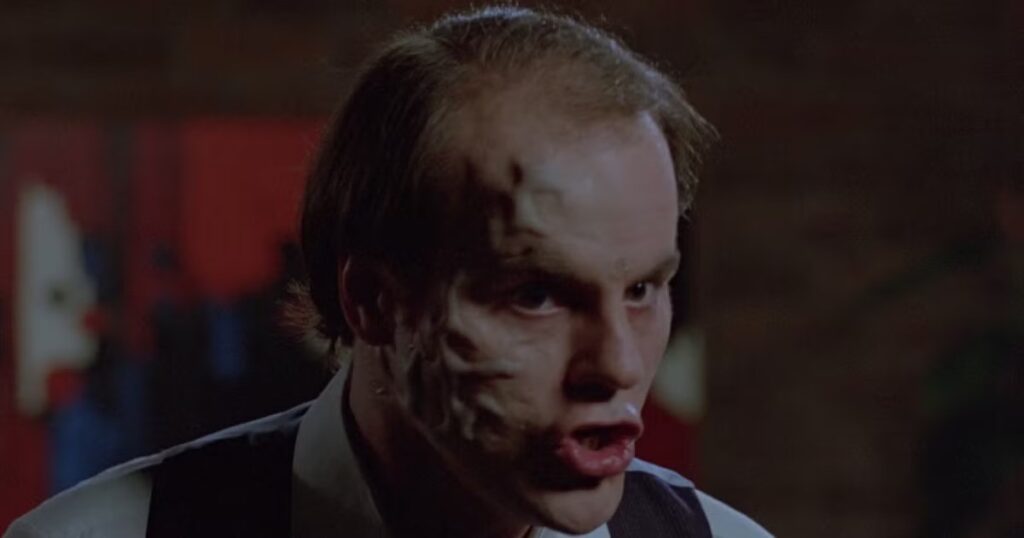
Digital de-aging and facial manipulation may be the current trend, but makeup and prosthetics remain vital tools for physically transforming actors. Lon Chaney was dubbed “The Man of a Thousand Faces” for his pioneering work in silent horror films, using rudimentary prosthetics to alter his appearance in groundbreaking ways.
Today, artists like Greg Nicotero and Rick Baker carry that torch. Baker’s work on An American Werewolf in London revolutionized transformation scenes, with a real-time metamorphosis achieved entirely through prosthetics, bladders, and time-lapse photography. The scene is still considered one of the most impressive displays of in-camera transformation ever created.
Even in a digital age, practical makeup has its place. Charlize Theron’s dramatic look in Monster, Gary Oldman’s transformation in Darkest Hour, and the full-body prosthetics of The Shape of Water are all reminders that physical materials, applied by expert hands, often yield more nuanced performances and authentic results than digital overlays.
Optical Tricks and Forced Perspective
Not all practical effects rely on big budgets or elaborate builds. Some of the most elegant techniques come from manipulating the viewer’s perception. Forced perspective, mirrors, and matte paintings have been used for decades to alter scale, hide elements, or create illusions entirely in-camera. In the same way filmmakers use visual tricks to shape perception, solar screens in Prosper TX subtly transform homes—filtering light, enhancing comfort, and improving energy efficiency without sacrificing style.
Peter Jackson used forced perspective extensively in The Lord of the Rings trilogy to create the size disparity between hobbits and humans. Elijah Wood and Ian McKellen could be seated side-by-side in the same frame, yet appear vastly different in height, simply by strategically placing the actors and adjusting the lens.
These low-tech methods are subtle but powerful, allowing directors to maintain control over the visual storytelling without relying on digital fixes in post. They also invite creative problem-solving—filmmakers are often forced to think more carefully about camera angles, set design, and physical space, which results in more deliberate and thoughtful visuals.
Why Practical Effects Still Matter
So why, with all the advantages of CGI—speed, flexibility, scalability—do practical effects still endure? The answer lies not just in technical realism, but in emotional resonance. Practical effects often slow down production, requiring more time, planning, and collaboration. But in doing so, they foster a deeper connection between filmmakers, performers, and the material. That connection bleeds into the final product, and audiences can feel it. Much like practical effects bring tangible authenticity to film, scooters for rent in Key West offer travelers a real, hands-on way to experience the island’s sights, sounds, and rhythm up close.
Films that rely heavily on CGI sometimes suffer from what critics call the “weightless” problem. Characters fly, jump, or crash through environments with no sense of friction, inertia, or danger. By contrast, when something physically explodes, tears, or falls apart, the consequences feel real. Stakes rise, tension builds, and the audience leans in.
There’s also an artistry to practical effects that resonates with viewers. We admire the ingenuity it takes to make something look otherworldly using only foam, glue, camera tricks, and lighting. That sense of craft connects audiences to the history of cinema and reminds us that film is a hands-on art form, not just lines of code.
The Future Is Hybrid
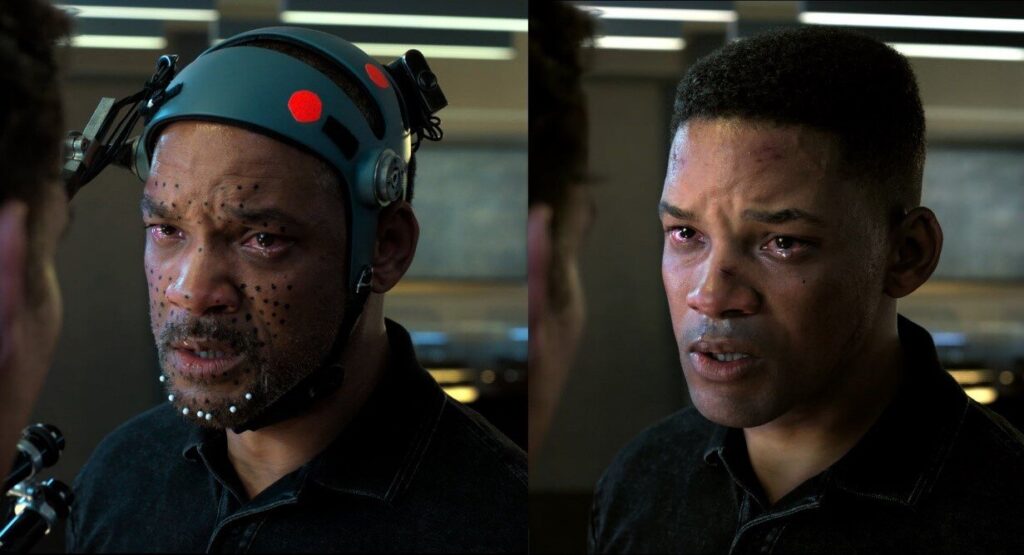
It’s not a question of practical versus digital anymore, but how best to blend them. The future of visual storytelling lies in the intelligent fusion of both worlds. Directors like Denis Villeneuve, Guillermo del Toro, and George Miller have shown how combining real-world effects with subtle digital enhancements creates the most compelling visuals. In Dune, practical sandworms and models were supplemented by CGI, but never replaced. In Mad Max: Fury Road, real stunts and practical explosions were augmented digitally for continuity and scale. For those who appreciate this balance of authenticity and innovation, exploring house listings in Mississauga offers a similar blend—modern design enhanced by real character and craftsmanship.
This hybrid approach preserves the emotional grit of practical filmmaking while embracing the possibilities of the digital age. It honors the roots of the medium while pushing its boundaries.
Practical effects will never fully disappear, because cinema is, at its core, a visual performance. The magic of seeing something happen for real—not just imagined, but engineered, built, lit, and captured in the lens—is a magic that endures. It’s a reminder that the most astonishing visuals don’t always come from a keyboard, but from the workshop floor, the makeup chair, or a set filled with smoke, mirrors, and a bit of old-fashioned movie magic.