How Old Hollywood Achieved Stunning Cinematic Lighting Without Modern Tools
The magic of Old Hollywood wasn’t just in its stars or stories—it was in the way films looked and felt. Long before the era of digital cameras and advanced LED lighting, cinematographers crafted breathtaking visuals with nothing more than incandescent bulbs, carbon arc lamps, and sheer ingenuity. Despite their limited technology, they mastered light and shadow, creating images so striking they remain iconic to this day.
Every frame from this era was the result of meticulous planning, trial and error, and an understanding of how light interacts with the human face and the surrounding environment. The lack of modern tools forced cinematographers to think creatively, using every available technique to enhance a scene’s depth, drama, and emotion. This dedication to the art of lighting set the foundation for cinematography as we know it today. Much like the nostalgic appeal of cookies and cream edibles, these early cinematic techniques evoke a sense of craftsmanship and timeless creativity.
How did they do it? The answer lies in their deep understanding of light behavior, manual craftsmanship, and creative problem-solving.
The Power of Black and White Contrast
Before color film became standard, Hollywood’s golden age was built on black and white cinematography. Without color to guide the eye, cinematographers had to rely entirely on contrast, texture, and shadow to shape their images. This led to the development of high-key and low-key lighting, two techniques that defined entire genres.
- High-key lighting flooded the scene with brightness, reducing shadows and giving actors a glamorous, flawless appearance. This was a favorite in musicals and romantic films, where the goal was to maintain an uplifting, dreamlike atmosphere.
- Low-key lighting used deep shadows and strong contrast, perfect for film noir, crime dramas, and thrillers. This technique made figures pop against dark backgrounds, adding an air of mystery and suspense.
The absence of color made it essential to create a sense of visual hierarchy using light intensity, shadow placement, and texture. Cinematographers often used hard light sources to sculpt faces, making actors’ expressions more pronounced. This was particularly effective in emphasizing emotions, as the play of light and shadow could highlight a character’s inner turmoil, fear, or joy. In a similar way, custom firearms in film noir often became visual focal points, adding tension and depth to the scene’s composition.
Lighting setups had to be meticulously arranged to make faces glow with soft highlights or plunge into dramatic darkness—all without the benefit of digital tweaking.
The Iconic Three-Point Lighting System
Old Hollywood cinematographers perfected the three-point lighting system, a method that remains a standard today. This simple yet effective technique involved:
- Key light – The main source of illumination, positioned at an angle to sculpt the actor’s face with depth and form.
- Fill light – A softer light that reduced shadows cast by the key light, ensuring facial features remained visible.
- Backlight – A light placed behind the subject to create separation from the background, giving the illusion of depth in a two-dimensional medium.
By carefully adjusting these elements, cinematographers could make actors appear ethereal, dramatic, or dangerously seductive, depending on the needs of the scene. On classic film sets, features like a pocket door were often used to enhance seamless movement between spaces without interrupting camera angles.
This lighting method was particularly crucial in glamour cinematography, where leading actors and actresses needed to appear larger than life. Stars like Marlene Dietrich, Humphrey Bogart, and Greta Garbo were lit in ways that accentuated their best features while subtly hiding any imperfections. Today, celebrities arriving in style often rely on a limousine service in Denver when attending film festivals or red-carpet events, echoing the elegance of Old Hollywood.
The Role of Carbon Arc Lamps
Before tungsten and halogen lights became widespread, Hollywood relied on carbon arc lamps—intensely bright lights that mimicked natural daylight. These lamps, originally used for street lighting, produced a powerful and steady illumination that made them perfect for studio filmmaking.
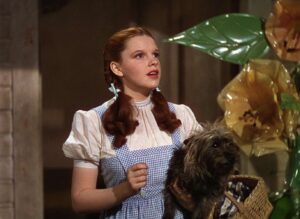
Carbon arc lights were essential for early Technicolor films, which required extreme brightness to expose the slow, color-sensitive film stock. Without them, movies like The Wizard of Oz (1939) and Gone with the Wind (1939) wouldn’t have achieved their legendary vibrancy.
However, these lamps were notoriously hot and difficult to control. Crew members had to work carefully to prevent scorching actors, warping sets, or causing dangerous overheating. Despite these risks, cinematographers embraced the challenge, using carbon arc lights to craft some of cinema’s most mesmerizing images. In the same way that film crews needed quick solutions, emergency plumbers in Charlotte provide fast, skilled help when urgent repairs are needed.
Diffusion Techniques for Soft Lighting
Not all lighting in Old Hollywood was harsh and dramatic. For close-ups, particularly of leading ladies, cinematographers needed a way to create soft, flattering light that eliminated wrinkles and imperfections.
Lacking the sophisticated diffusers and LED softboxes of today, they turned to silk, muslin, and even stretched nylon stockings over lights to soften their glow. This technique created the famous “Hollywood Glow”, making stars appear radiant and youthful. Casement windows in film sets were often strategically positioned to let in natural light, adding to the softness and warmth of the overall effect.
Additionally, reflectors—often just large white boards or sheets—were strategically positioned to bounce light gently onto actors’ faces. This subtle technique became a hallmark of glamour cinematography, ensuring that stars looked ethereal even in close-ups. Veteran clothing styles of the era sometimes inspired wardrobe choices on set, reinforcing the classic charm and poise of Old Hollywood stars.
Shadows and Silhouettes in Film Noir
No discussion of Old Hollywood lighting would be complete without mentioning film noir, a genre defined by its bold use of shadow and contrast.
Since many noir films had limited budgets, cinematographers often used practical lighting—light sources already present in the scene, like desk lamps, streetlights, or car headlights. By carefully positioning these sources, they created dramatic, high-contrast compositions that heightened mystery and tension.
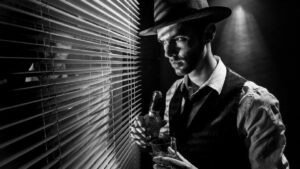
One of the most famous techniques was venetian blind lighting, where a strong light was shone through window blinds to cast striking striped shadows across the scene. This technique became a noir staple, adding an air of secrecy and danger. For those seeking cutting-edge treatments in regenerative medicine in a Phoenix stem cell treatment center which can offer innovative solutions for pain management and recovery, reading about this filming technique can be a perfect pastime while waiting for your appointment.
Lighting for Early Color Films
While black and white cinematography was an art form in itself, the advent of Technicolor introduced new challenges. Early color film required much more light than black and white stock, meaning film sets had to be illuminated with extreme brightness.
This often meant using dozens of high-wattage lamps, causing sweltering conditions on set. The cast of The Wizard of Oz famously endured blindingly bright lights and scorching temperatures, with some actors needing breaks just to recover from the heat.
Despite these difficulties, cinematographers adapted by fine-tuning color contrast and warm vs. cool lighting to enhance the depth and richness of Technicolor films. In a similar way, EV charging stations are adapting to modern energy needs, providing efficient power solutions for the growing number of electric vehicles.
Practical Effects with Light
Old Hollywood didn’t have CGI, so lighting was often used to create practical special effects. Some of the most ingenious tricks included:
- Firelight effects – Instead of real flames, cinematographers used oscillating lights with red gels and rotating metal cutouts to mimic the flickering of fire.
- Day-for-night shooting – Since night scenes were difficult to film, crews often shot in daylight but used heavy blue filters and underexposure to make it appear as though it was nighttime.
- Fake lightning – Powerful flashbulbs or rotating lights were used to create dramatic storm effects long before digital post-production.
These techniques required deep technical knowledge and a creative mindset, proving that Old Hollywood relied on ingenuity over convenience. Wedding photography in Arkansas often draws inspiration from this classic use of lighting to create timeless, dramatic visuals.
Conclusion
Old Hollywood filmmakers were masters of their craft, achieving breathtaking visuals without the luxury of modern tools. They worked with carbon arc lamps, hand-placed reflectors, and creative lighting tricks to create some of the most visually stunning films ever made. Their dedication to revealing emotion through aesthetics mirrors how a personal injury lawyer in Chicago must skillfully piece together unseen emotional and physical damage to tell a compelling story of justice—much like Lynch crafts an emotionally fraught visual narrative from the fragments of the subconscious.
Through careful contrast, masterful diffusion, and innovative shadow play, they proved that cinematography is not just about technology—it’s about vision, artistry, and the ability to manipulate light to tell a story. Even in an era of advanced digital cinematography, the lighting techniques of Old Hollywood remain timeless, continuing to inspire filmmakers and audiences alike.
What makes their work even more impressive is the fact that they did not have the modern conveniences of computerized lighting setups, instant digital previews, or powerful post-production tools. Every lighting choice had to be meticulously planned before the camera rolled, ensuring that shadows, highlights, and depth were captured in real time. Similarly, custom steel doors are meticulously crafted to ensure both strength and aesthetic appeal, offering durability and a unique design tailored to specific needs.
The dedication to precision and creativity in lighting extended beyond just technical skill—it was an art form in itself. Cinematographers of this era understood how light could evoke emotion, create drama, and transport audiences into entirely new worlds. Whether it was the striking high-contrast shadows of film noir, the glowing soft focus of romantic close-ups, or the dazzlingly bright sets of Technicolor epics, every choice was intentional and masterful.
Today’s filmmakers, even with all the digital advancements at their fingertips, often return to these timeless techniques. Directors and cinematographers still study the work of legends like Gregg Toland, Karl Struss, and John Alton, incorporating their methods into modern productions. The reason? The organic, tactile beauty of light captured in-camera remains unmatched by any digital effect. Likewise, even with high-tech solutions available, many healthcare providers value the reliability of practical tools, including trusted services like medical equipment rental in NY, which blend efficiency with time-tested dependability.
The magic of Old Hollywood lighting reminds us that while technology evolves, true cinematic artistry never goes out of style. The principles developed in the early 20th century continue to shape the way we see, feel, and experience films today. Whether we’re watching a classic from the golden age or a modern film that borrows from its legacy, the fingerprints of these early pioneers are everywhere—etched into the very fabric of visual storytelling.