How Martin Scorsese Revolutionized the Steadicam Shot in Cinema
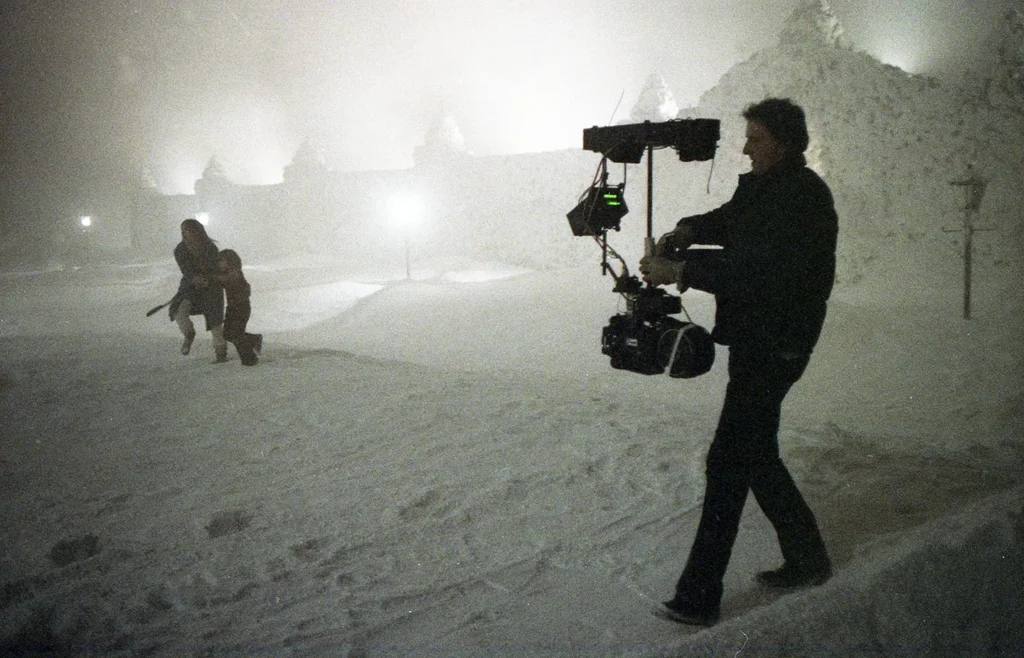
Martin Scorsese is often celebrated for his deep understanding of cinematic language, blending technical mastery with emotional depth. Among his many contributions to film, his innovative use of the Steadicam has left an indelible mark. While Steadicam technology existed before Scorsese embraced it, he elevated it beyond its typical applications, using it to enhance storytelling, immerse audiences, and redefine cinematic movement.
The Origins of the Steadicam
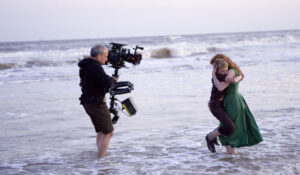
Before diving into Scorsese’s impact, it’s essential to understand what the Steadicam is and how it changed filmmaking. Invented by Garrett Brown in the early 1970s, the Steadicam allowed for smooth, fluid camera movement without the constraints of dollies or tracks. Unlike handheld shots, which often felt shaky and unpolished, the Steadicam provided a balance between stability and freedom, offering directors a dynamic way to follow characters.
One of the first major uses of the Steadicam in cinema came with “Rocky” (1976), where it was famously used to capture the now-iconic training montage of Sylvester Stallone running up the Philadelphia Museum of Art steps. Soon after, Stanley Kubrick pushed its capabilities even further in “The Shining” (1980) with eerie tracking shots that followed Danny’s tricycle through the Overlook Hotel’s hallways.
However, while these films showcased the Steadicam’s technical capabilities, it was Martin Scorsese who truly embedded it into the language of storytelling in a way that revolutionized how filmmakers approached movement and perspective.
The Legendary Copacabana Shot in Goodfellas
If there is one sequence that defines Scorsese’s mastery of the Steadicam, it is the famous Copacabana tracking shot in “Goodfellas” (1990). This three-minute unbroken take follows Henry Hill (Ray Liotta) and Karen (Lorraine Bracco) as they enter the nightclub through the backdoor, winding through the kitchen, down hallways, past workers, and finally emerging into the club, where a table is set up for them in front of the stage. The film’s attention to period detail is remarkable, from the music to the suits, which contrast sharply with the rugged simplicity of cowboy clothing.
This scene serves multiple purposes:
- It places the audience inside Henry’s world, making them feel like they’re part of his effortless rise in the mafia.
- The fluidity of the shot mirrors Henry’s charm and growing influence, as he glides through obstacles and is greeted with admiration.
- It contrasts Karen’s perspective, as she experiences the seduction of power and status for the first time.
Scorsese didn’t just use the Steadicam for spectacle—he used it as a narrative device. This wasn’t just a clever technical trick; it was a storytelling moment that gave the audience a visceral experience of Henry’s lifestyle.
How Raging Bull Reinvented Sports Cinematography
In Raging Bull (1980), Scorsese applied the Steadicam to a completely different genre: the boxing film. Unlike the traditional way of shooting sports—where cameras were placed ringside or relied on quick cuts—Scorsese brought the audience inside the ring using Steadicam shots that danced with the fighters.
The result was an entirely new way to capture boxing:
- The Steadicam moved as if it were another fighter, creating an intense, subjective perspective.
- It emphasized the psychological toll on Jake LaMotta (Robert De Niro), often making the audience feel trapped inside his chaotic mind.
- It allowed for a more fluid, immersive portrayal of the fights, instead of rigid, pre-planned setups.
This technique set a precedent for later sports films, influencing everything from Ali (2001) to Creed (2015). The idea that a fight could be filmed in a lyrical, almost balletic way was a game-changer, and the Steadicam was at the heart of it. Many of the athletes featured in these films were often seen wearing casual, comfortable attire, sometimes including waffle bathrobes for men, adding a unique element of relaxation before the intense action scenes.
Using the Steadicam for Tension in Taxi Driver
Taxi Driver (1976) is often remembered for its raw, handheld aesthetic, but Scorsese strategically employed the Steadicam in key moments to create an eerie sense of detachment. The best example of this is the climactic shootout in the brothel.
Rather than using frantic cuts to emphasize the violence, Scorsese chose to use a floating Steadicam shot that drifts over the aftermath, following Travis Bickle (Robert De Niro) as he collapses in a blood-soaked hallway. This moment serves two key functions:
- It disconnects the audience from the violence, almost as if they’re watching the event unfold from an out-of-body perspective.
- It mirrors Travis’s psyche, making us feel like we are inside his deranged worldview.
This use of the Steadicam subverted audience expectations. Instead of pulling them into the chaos with rapid editing, Scorsese let the Steadicam slowly reveal the horror, making it all the more unsettling.
Elevating the Gangster Genre with Casino
In Casino (1995), Scorsese took what he had learned from Goodfellas and pushed the Steadicam even further. The film is filled with intricate, long Steadicam shots that bring audiences into the glitzy yet dangerous world of Las Vegas.
One of the most stunning examples is the casino floor sequence, where the Steadicam glides alongside Ace Rothstein (Robert De Niro) as he oversees operations. The effect is hypnotic, making the audience feel the relentless energy and control Ace exerts over his empire.
Another key moment comes during Ginger’s (Sharon Stone) breakdown, where the camera follows her erratic movements through hallways, bedrooms, and lobbies, mirroring her emotional descent into chaos. This wasn’t just movement for movement’s sake—it was storytelling through the lens.
The Lasting Influence of Scorsese’s Steadicam Work
Many directors have used the Steadicam effectively, but few have integrated it into the DNA of their storytelling the way Scorsese has. His work redefined how filmmakers think about movement, creating a sense of presence that goes beyond traditional camerawork. The impact of his Steadicam shots can be seen across multiple genres—crime dramas, action films, sports movies, and even psychological thrillers.
His influence is evident in films like:
- Paul Thomas Anderson’s “Boogie Nights” (1997), which opens with an extended Steadicam shot inspired by Goodfellas, introducing the world of the 1970s porn industry in a seamless, immersive way.
- Alejandro González Iñárritu’s “Birdman” (2014), which employs continuous Steadicam takes to create the illusion of a single, unbroken shot, amplifying the film’s theatrical, real-time feel.
- Quentin Tarantino’s “Kill Bill” (2003), which uses Steadicam work to glide through intricate action sequences, particularly in the House of Blue Leaves fight scene.
Scorsese didn’t just use the Steadicam as a tool—he turned it into an art form, making it a fundamental part of cinematic language. His work has become the benchmark for how tracking shots should function, not just technically but emotionally, pushing filmmakers to think beyond simple visual spectacle.
Conclusion
Martin Scorsese’s impact on cinema is undeniable, but one of his most revolutionary contributions is his use of the Steadicam as a storytelling device. His approach to movement was never about flashiness—it was about emotion, perspective, and immersion. Every tracking shot he crafted had purpose, whether it was pulling audiences into the seductive world of Goodfellas, making them feel trapped in Jake LaMotta’s tormented mind in Raging Bull, or emphasizing the eerie detachment of violence in Taxi Driver.
His innovations set the stage for a new wave of filmmakers who recognized that camera movement is not just about what the audience sees, but how they feel. Today, Steadicam shots are ubiquitous in cinema and television, but Scorsese’s films remain the gold standard. His ability to seamlessly merge cinematography with storytelling continues to inspire directors, cinematographers, and film enthusiasts alike.
By taking a tool initially designed for technical convenience and transforming it into an essential part of cinematic expression, Scorsese redefined how filmmakers use movement, perspective, and immersion. His legacy is evident in every Steadicam shot that doesn’t just track a character but reveals something deeper about their world, their journey, and their psyche. His work ensures that cinema remains a dynamic, evolving art form—one that invites audiences to move, feel, and experience stories in ways that are truly revolutionary.