How Directors Use Camera Movement to Express Emotion More Powerfully Than Dialogue
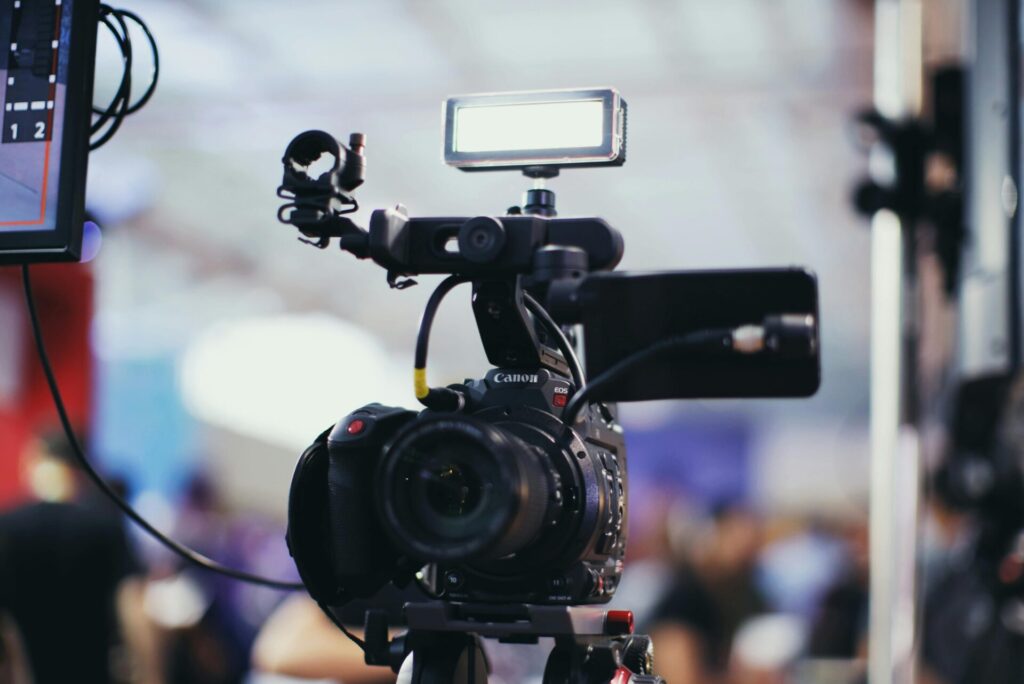
Cinema has always been more than a collection of spoken lines or written scripts; it is a visual and emotional language. While dialogue conveys literal meaning, camera movement allows directors to communicate the unspoken inner world of characters, the tension in a scene, or the emotional weight of a moment in ways dialogue often cannot. The movement of a camera—whether it glides, shakes, tracks, or lingers—becomes an expressive tool, guiding the audience’s emotional response and providing subtext that words may fail to capture.
Directors often employ camera movement to mirror the psychological state of characters. For example, a slow dolly-in towards a character’s face can create intimacy and reveal vulnerability without a single word. Conversely, a jittery handheld shot can induce unease, anxiety, or chaos, effectively putting viewers in the character’s emotional state. The subtle manipulation of perspective, motion, and framing communicates feelings and moods that are inherently cinematic, allowing audiences to experience the story rather than merely observe it.In this visual language, meaning is communicated as directly as it is through graphic veteran t-shirts, where symbolism, placement, and presentation convey identity and emotion instantly, without relying on explanation or dialogue.
Camera movement also influences pacing and tension. A static shot might evoke calmness or contemplation, while a sudden push-in can signal confrontation or revelation. Similarly, a tracking shot following a character through a chaotic environment can immerse the audience in that character’s world, emphasizing their isolation, confusion, or determination. Directors like Alfred Hitchcock and Stanley Kubrick mastered this language, understanding that the camera itself could be a silent narrator, guiding emotion and story progression more subtly and powerfully than dialogue could.
Moreover, camera movement often interacts with other cinematic elements—lighting, sound design, and composition—to enhance emotional resonance. A sweeping crane shot over a battlefield or a cityscape can evoke awe or despair, while the combination of a slowly rotating camera and dim lighting can intensify suspense. By integrating movement with visual composition, directors create an immersive emotional experience that bypasses words, proving that cinema’s power often lies in what is seen rather than heard.
Tracking Shots and Emotional Immersion
One of the most potent tools in a director’s arsenal is the tracking shot, where the camera follows a subject through space. Unlike static shots, tracking shots offer dynamic storytelling potential, allowing viewers to move alongside characters, feel their urgency, or experience their emotional journey. The act of following a character physically mirrors emotional engagement, drawing the audience deeper into the scene.
Tracking shots are particularly effective in portraying anxiety or anticipation. By following a character down a dimly lit corridor or through a crowded street, directors can simulate the character’s perspective and heighten tension. The continuous movement denies the audience the comfort of pause, immersing them fully in the unfolding emotional landscape. For instance, in Martin Scorsese’s films, tracking shots often accompany pivotal character moments, creating a sense of intimacy and urgency that dialogue alone could not achieve. The audience experiences the character’s internal struggle through the camera’s motion, translating psychological states into visceral, cinematic reality.
Tracking can also communicate freedom, exploration, or euphoria. Long takes that follow characters through expansive environments convey scale and emotion simultaneously, emphasizing the significance of a moment. When a character moves through a vibrant festival or dances across a deserted landscape, the camera’s movement reflects emotional highs, connecting physical space with psychological experience. In this way, the camera becomes an extension of the character, translating unspoken feelings into visual storytelling.
Furthermore, tracking shots allow for seamless integration of multiple emotional layers. Background action, secondary characters, and environmental details can all contribute to the emotional impact while the primary subject remains in motion. This layering creates a richer, more immersive experience, where emotion is not dictated by words but constructed through observation, perspective, and movement. Directors exploit these capabilities to convey complex emotions such as fear, exhilaration, longing, or dread—subtlety that dialogue alone cannot always achieve.
Handheld Cameras and Psychological Intensity
While smooth tracking shots can offer immersion and fluidity, handheld cameras provide a starkly different emotional texture. The shakiness and unpredictability of handheld movement evoke realism and raw emotional intensity, mimicking the instability of human perception and the vulnerability of characters in crisis. This approach places viewers in the midst of turmoil, creating an empathetic connection that dialogue often struggles to replicate.
Directors often use handheld cameras to express tension, fear, or confusion. Scenes depicting panic, violence, or emotional breakdowns benefit from the unsteady framing that mirrors the character’s internal chaos. The camera becomes a participant rather than a passive observer, allowing audiences to feel the instability and urgency of the moment. For example, Paul Greengrass’ films employ handheld cinematography to heighten the sense of immediacy and psychological pressure, immersing viewers in the protagonist’s intense experience without relying on expository dialogue.
Handheld techniques are also effective for intimate emotional encounters. Close-ups with subtle camera movement can capture micro-expressions and nuanced reactions, conveying vulnerability, hesitation, or subtle shifts in mood. These movements, often imperceptible consciously, register on a subconscious level, deepening emotional resonance. By mimicking natural human perception, handheld cameras create authenticity in emotion that scripted lines cannot always achieve.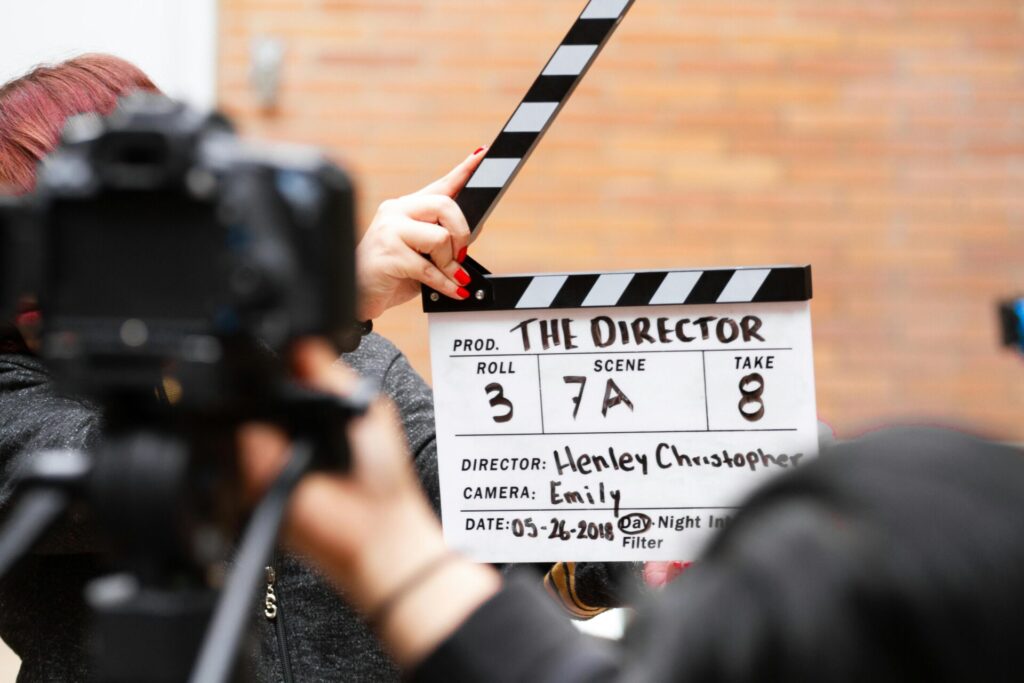
Additionally, handheld movement interacts with sound and editing to amplify psychological impact. Rapid cuts, ambient noise, and the camera’s own motion combine to produce a multi-sensory emotional experience. This method demonstrates that camera movement can operate as an emotional shorthand, signaling feelings, internal conflict, or tension without verbal explanation. Directors rely on this visual grammar to convey complex, layered emotions, proving that cinema’s strength often resides in its ability to show rather than tell.
Crane and Aerial Shots for Emotional Perspective
Crane and aerial shots provide directors with the ability to express emotion through perspective, scale, and visual metaphor. By positioning the camera above the scene, filmmakers can evoke feelings of isolation, insignificance, grandeur, or liberation, depending on context. Unlike dialogue, which is linear and literal, these elevated perspectives communicate emotions on a cinematic, almost instinctual level.
A high crane shot descending towards a character can intensify feelings of vulnerability, as viewers are given a godlike perspective that diminishes the individual within a larger world. Conversely, rising crane shots or aerial sweeps over open landscapes often convey freedom, transcendence, or emotional release. Directors such as Terrence Malick and Wong Kar-wai utilize these techniques to translate abstract feelings into cinematic imagery, crafting emotional resonance that dialogue alone could never fully express.
Aerial and crane shots also allow for emotional storytelling across space and time. By moving through a scene from above, directors can juxtapose multiple narrative threads, show relational dynamics, or underscore environmental context that informs a character’s emotional state. The camera’s movement from high to low, near to far, or sweeping across a scene acts as an emotional lens, shaping how viewers perceive characters and their inner experiences.
Furthermore, these techniques can communicate transitions in emotional states. For instance, a slow crane pull upward as a character emerges from darkness into light can symbolize hope, renewal, or empowerment. Conversely, a descending movement into shadow or confinement can signify despair or impending danger. Through these movements, directors harness the expressive potential of the camera to construct emotion visually, demonstrating that spatial perspective and kinetic motion are as powerful as spoken language in conveying inner life.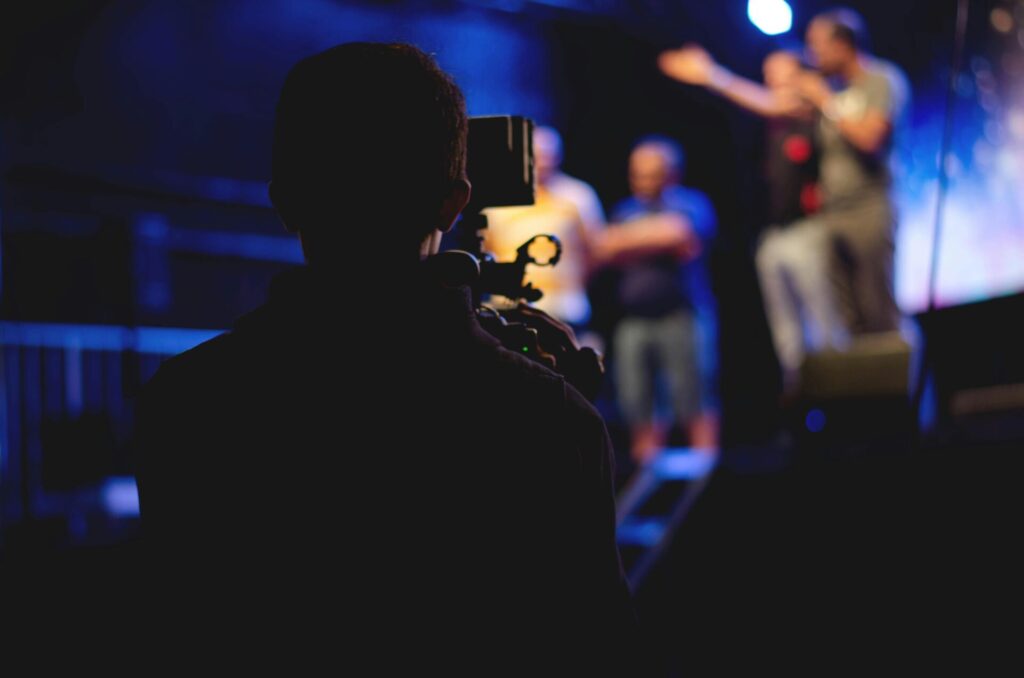
Conclusion
Camera movement in cinema functions as a language that transcends dialogue, communicating emotion with precision, depth, and subtlety. Through techniques such as tracking shots, handheld cinematography, crane and aerial perspectives, and their interplay with editing, directors can immerse audiences in the psychological and emotional landscape of characters, conveying fear, joy, vulnerability, or euphoria without a single line of dialogue. These movements translate internal states into visual expression, allowing viewers to experience rather than merely observe emotion.
The mastery of camera movement demonstrates that cinema’s power lies not only in what is said but in what is shown. Directors like Scorsese, Greengrass, Malick, and Kubrick reveal that the kinetic motion of a camera can evoke empathy, tension, intimacy, and grandeur more effectively than words alone. By integrating movement with lighting, composition, performance, and editing, filmmakers create a holistic emotional experience that engages the senses and resonates on a subconscious level. Ultimately, camera movement is an essential tool in the director’s arsenal, one that transforms visual storytelling into a profoundly emotional art form, proving that in cinema, action and perspective can speak louder than dialogue.