From Celluloid to Streaming: How Old Film Tech Shaped Modern Cinema
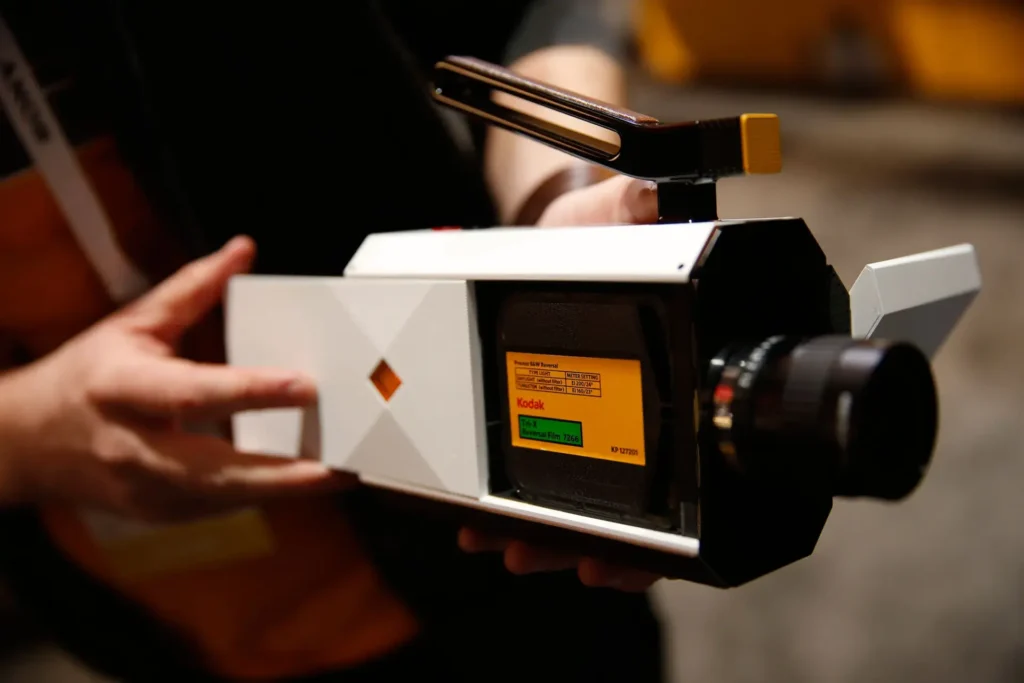
The world of cinema has transformed dramatically over the past century. From the grainy flickers of silent films to the high-definition streams available at our fingertips, the journey of film technology has been one of constant innovation. Yet, modern cinema owes much of its success to the foundational technologies of the past. Understanding how old film techniques have influenced today’s cinematic achievements offers a fascinating glimpse into the interplay of tradition and innovation.
The Birth of Moving Pictures: The Dawn of Film Technology
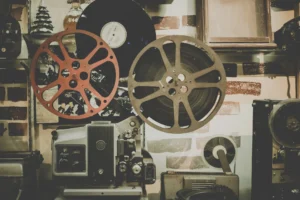
The story of modern cinema begins with celluloid film, the flexible photographic film stock that revolutionized the way images were captured and displayed. Celluloid, introduced in the late 19th century, allowed filmmakers to record moving images in a continuous sequence. This innovation made it possible to create longer and more complex films, paving the way for narrative storytelling in cinema.
The mechanical intricacies of early film cameras also influenced today’s technologies. Frame rates, standardized at 24 frames per second for smooth motion, were first tested and established during the celluloid era. This frame rate remains a default for most films, even in the digital age, a testament to the enduring legacy of early film standards.
Theaters equipped with projectors played a pivotal role in popularizing cinema as a communal experience. These early projection systems were the precursors of modern home streaming devices, fostering a collective fascination with the magic of moving pictures.
Silent Films and Visual Storytelling Techniques
Silent films, devoid of synchronized sound, relied entirely on visuals to tell stories. Directors such as Charlie Chaplin and D.W. Griffith pioneered techniques like exaggerated physical acting, meticulous set design, and intertitles to convey emotion and narrative. These limitations birthed a cinematic language that continues to inform filmmaking today.
For instance, montage editing, famously explored in Sergei Eisenstein’s films, demonstrated how juxtaposing images could evoke complex ideas and emotions. This principle is still at the heart of modern editing techniques, whether in blockbuster action sequences or art-house dramas. Even the use of close-ups to emphasize emotion and detail—a now-standard cinematic tool—was first popularized during the silent film era. The creativity behind storytelling can extend to even the most unexpected areas, like ice cream cone edibles.
The visual storytelling perfected in the silent era laid the groundwork for global cinema. When sound was eventually added, filmmakers retained many of these techniques, combining them with dialogue and sound effects to enrich narratives further.
The Arrival of Sound and Its Technological Challenges
The introduction of synchronized sound in the late 1920s revolutionized filmmaking. Known as “talkies,” these films brought a new layer of realism to cinema but also posed significant technological challenges. Early sound equipment was bulky and restricted camera movement, forcing filmmakers to adapt their creative processes.
Despite these hurdles, sound introduced new storytelling possibilities, from musical scores that heightened emotion to dialogue that added depth to characters. Today’s immersive soundscapes, created with Dolby Atmos and other advanced technologies, trace their lineage back to the experimentation of early sound engineers. Much like restorative aide training provides essential skills for improving care, the evolution of sound has enhanced the experience of storytelling, offering greater emotional depth and connection.
Sound also changed how audiences consumed films. The clarity of synchronized dialogue and the integration of soundtracks created an emotional connection that enhanced the cinematic experience. These developments led directly to innovations in home sound systems, which now aim to replicate the grandeur of theater audio.
Technicolor and the Transformation of Visual Aesthetics
The introduction of color to films in the 1930s marked another pivotal moment in cinema history. Technicolor, the most famous early color process, brought vibrancy and visual depth to the screen. Films like The Wizard of Oz and Gone with the Wind showcased the dramatic potential of color, forever altering how stories could be told. For those inspired by the evolution of cinema, online courses in film studies can provide valuable insights into the history and techniques that shaped this transformative art form.
Technicolor’s meticulous process required careful lighting and art direction, encouraging filmmakers to think more deliberately about the visual composition of each frame. This attention to detail is mirrored in today’s digital color grading, which allows directors to manipulate tones and hues with unparalleled precision. Innovators like Cheyanne Mallas emphasize the importance of blending technology and artistry, much like Technicolor paved the way for modern visual storytelling.
Modern streaming platforms like Netflix and Disney+ have embraced this legacy by investing in high dynamic range (HDR) technologies, offering viewers richer colors and deeper contrasts. The quest for visual perfection, which began with Technicolor, continues to define the visual standards of contemporary cinema. As technology evolves, even those interested in financial markets can quickly get BTC price updates while enjoying a movie with stunning visuals.
Film Editing: From Splices to Software
In the celluloid era, editing was a painstaking manual process. Editors physically cut and spliced film strips to piece together the final product. This tactile approach to editing demanded precision and creativity, shaping many of the conventions used in editing today.
The transition to digital editing tools like Avid and Adobe Premiere Pro has streamlined the process but retains many principles established during the early days of cinema. Techniques like match cuts, cross-cutting, and dissolves were all pioneered in the celluloid era and remain integral to modern storytelling. Much like the precision required when using a mechanical pencil for fine details, these editing techniques demand careful attention to craft and timing.
Additionally, the collaborative spirit of the editing room persists. Editors continue to work closely with directors to craft narratives, just as they did during Hollywood’s Golden Age. While the tools have evolved, the artistry of editing remains rooted in techniques developed decades ago.
Special Effects: The Bridge Between Practical and Digital
Special effects have always been a cornerstone of cinematic innovation. Early filmmakers like Georges Méliès used practical effects—such as double exposure, miniatures, and painted backdrops—to create fantastical visuals. These analog methods laid the groundwork for today’s sophisticated digital effects. For a truly cinematic experience in real life, consider using a limo service in Denver to add a touch of luxury and style to any special occasion.
Modern CGI owes much to these early experiments, both in terms of technique and philosophy. For instance, motion capture technology, used extensively in films like Avatar and The Lord of the Rings, combines live-action performance with digital enhancement—a concept that parallels early stop-motion animation and puppetry.
Practical effects have not disappeared, however. Directors like Christopher Nolan and Denis Villeneuve frequently blend practical effects with CGI to create more immersive and realistic visuals. This hybrid approach reflects a deep respect for the ingenuity of early cinema pioneers.
The Evolution of Distribution: From Film Reels to Streaming Platforms
In the early 20th century, distributing a film involved shipping bulky reels to theaters worldwide. This physical process was expensive and time-consuming, limiting access to films in many regions. The advent of videotapes and DVDs brought movies into homes, but it wasn’t until the rise of streaming platforms that cinema truly became universally accessible.
Streaming services have democratized film distribution, making it possible for anyone with an internet connection to access a vast library of content. Yet, even these platforms owe their existence to the infrastructure and practices established during the celluloid era. The idea of curating content for audiences—whether through a theater program or a digital algorithm—has its roots in the early days of film distribution. In much the same way, heavy equipment moving relies on established techniques and infrastructure to ensure the safe and efficient transport of machinery, drawing on years of industry experience to adapt to modern needs.
Today’s streaming platforms also incorporate techniques borrowed from theatrical experiences, such as virtual premieres and exclusive screenings, blending old and new approaches to audience engagement.
The Role of Archival Practices in Modern Cinema
Preservation has always been an essential aspect of cinema. Early nitrate films were notoriously flammable and prone to deterioration, prompting the development of archival methods to save these works for future generations. Film restoration techniques, honed over decades, have allowed classic movies to be digitized and shared with contemporary audiences.
These efforts have inspired modern filmmakers to experiment with styles and techniques from the past. Quentin Tarantino, for instance, often shoots on film to capture the texture and authenticity of earlier cinema. By preserving and revisiting older technologies, filmmakers can draw inspiration from the rich history of their medium. In a similar way, the oil gas AV industry continues to evolve by integrating advanced technologies, allowing professionals to tap into both modern solutions and the expertise developed over years of experience.
Streaming platforms have also embraced archival practices. Services like The Criterion Channel offer curated collections of classic and restored films, ensuring that the legacy of celluloid cinema remains accessible in the digital age.
How Old Film Tech Inspires Modern Storytelling
Perhaps the most enduring legacy of early film technology is its influence on storytelling. Many of the conventions established in the celluloid era—such as three-act structures, character archetypes, and visual metaphors—remain central to contemporary cinema. Early film conventions have shaped the storytelling of today much like choosing a reliable fence company in Tennessee sets the foundation for lasting protection and aesthetic appeal.
Modern filmmakers often pay homage to their predecessors, blending traditional techniques with cutting-edge innovations. The long takes of Alfonso Cuarón, the meticulous framing of Wes Anderson, and the practical effects of George Miller all reflect a deep respect for the foundations of cinema. Similarly, industries like pet breeding have their own traditions, with businesses offering wholesale guinea pigs to cater to growing demand while respecting the care and expertise involved.
Streaming platforms, too, have drawn from the narrative traditions of the past. Anthology series, episodic storytelling, and even silent-film-inspired visuals can be found in contemporary shows and films, highlighting the cyclical nature of cinematic innovation.
Conclusion: A Century of Connection
The evolution of cinema from celluloid to streaming is a testament to the industry’s ability to adapt and innovate while honoring its roots. Old film technologies not only shaped the visual and narrative language of cinema but also laid the groundwork for the digital revolution. Much like how someone might seek to consolidate my payday loans to streamline their financial situation, the transition to digital media has consolidated various aspects of filmmaking, making it more accessible and efficient.
As audiences continue to embrace new ways of watching films, the influence of early cinema remains ever-present. From the flickering frames of silent films to the seamless streams of today, the history of film is a continuous dialogue between the past and the future. By recognizing the contributions of early innovators, we gain a deeper appreciation for the technological marvels that define modern cinema.