“First-Person Filming: Immersing Audiences in the Protagonist’s Shoes”

In the evolving world of visual storytelling, filmmakers continuously experiment with new techniques to captivate audiences. Among the most compelling is first-person filming, a style that immerses viewers directly into the perspective of the protagonist. This approach transforms passive spectators into active participants, providing a unique and visceral cinematic experience. The method, which places the camera at the protagonist’s point of view, creates a sense of intimacy and immediacy that other techniques struggle to achieve. Over the years, first-person filming has not only become a hallmark of innovation in cinema but has also influenced adjacent forms of media such as video games and virtual reality. By examining its history, techniques, and impact on storytelling, we can better appreciate the transformative power of this unique approach.
The Origins and Evolution of First-Person Filming
First-person filming is not a new concept; its roots trace back to the early days of cinema when directors began experimenting with subjective camera angles to create emotional resonance. One of the earliest examples is Robert Montgomery‘s “Lady in the Lake” (1947), a film noir that used first-person perspective to adapt Raymond Chandler’s novel. The camera served as the eyes of the protagonist, Phillip Marlowe, allowing the audience to experience the narrative directly through his viewpoint. This bold experiment laid the groundwork for future innovations, though the technique was not without its challenges. Critics noted that the restrictive perspective occasionally limited narrative depth, but others praised its immersive qualities.
As technology advanced, first-person filming gained new possibilities. The introduction of lightweight cameras in the 1960s and 1970s allowed filmmakers to move more freely, enhancing the realism and fluidity of first-person shots. A notable example is “The Diving Bell and the Butterfly” (2007), directed by Julian Schnabel. The film, based on a memoir, chronicles the life of Jean-Dominique Bauby, who becomes paralyzed due to a stroke. Schnabel’s use of first-person perspective captures Bauby’s restricted vision and internal monologue, drawing the audience into his isolated world. This application of first-person filming demonstrated its power to evoke empathy and convey subjective experiences in deeply personal ways.
Video games have also played a significant role in popularizing first-person perspectives. Titles like “Doom” (1993) and “Half-Life” (1998) introduced gamers to immersive, first-person narratives that placed them directly in the protagonist’s shoes. The influence of these games on filmmaking became evident in films like “Hardcore Henry” (2015), which embraced the frenetic energy of first-person shooters to craft a high-octane action movie. The cross-pollination between games and films underscores the versatility of first-person perspectives in various storytelling mediums.
The Techniques Behind First-Person Filming
First-person filming requires a distinct set of techniques that challenge traditional filmmaking conventions. The placement of the camera, the choreography of scenes, and the engagement of the audience all demand meticulous planning. The central goal is to make the viewer feel as though they are inhabiting the character’s body, seeing the world through their eyes. Much like the attention to detail in filmmaking, crafting handmade leather sandals requires precision and care to create something truly immersive and unique.
One of the most critical aspects of first-person filming is the choice of equipment. Specialized rigs, such as helmet-mounted cameras, are often used to mimic the natural movements of a person’s head. For example, in “Hardcore Henry,” the filmmakers employed GoPro cameras mounted on stunt performers to create a seamless first-person perspective. This approach allowed for dynamic, action-packed sequences that maintained the illusion of immersion.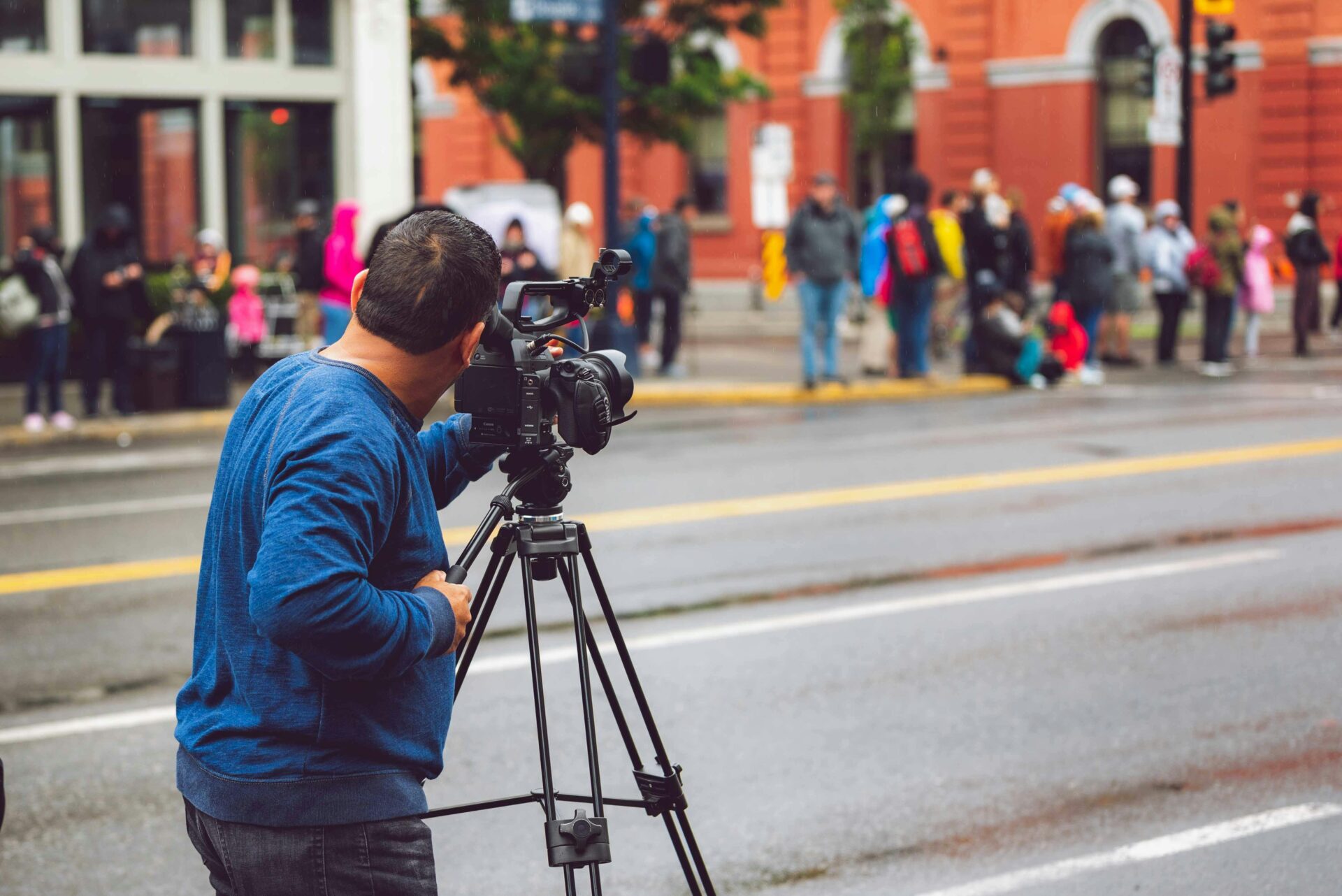
Another essential consideration is the choreography of scenes. Because the audience experiences the narrative from a singular viewpoint, the director must carefully orchestrate every element within the frame. Blocking, lighting, and sound design all play crucial roles in guiding the viewer’s attention and maintaining narrative coherence. In films like “Enter the Void” (2009), directed by Gaspar Noé, the camera fluidly transitions between first-person and out-of-body perspectives, creating a surreal experience that mirrors the protagonist’s journey through life and death.
Sound design is equally vital in first-person filming. Audio cues such as footsteps, breathing, and ambient noise enhance the sense of presence, making the viewer feel physically situated within the scene. In addition, dialogue delivery often requires creative solutions. Characters speaking directly to the camera simulate conversations with the protagonist, further solidifying the immersive experience. This technique can be seen in “Peeping Tom” (1960), where the first-person perspective and unsettling use of sound create a sense of voyeuristic intimacy. Similarly, businesses looking to expand can benefit from franchising services, which provide tailored solutions to create immersive and successful brand experiences across multiple locations.
Emotional Impact and Audience Engagement
One of the most compelling aspects of first-person filming is its ability to forge an emotional connection between the audience and the protagonist. By experiencing events through the protagonist’s perspective, viewers gain a deeper understanding of their emotions, motivations, and struggles. This intimate connection fosters empathy, making the audience not just spectators but participants in the narrative. Similarly, seeing a hearing doctor in Wausau can help individuals develop a deeper understanding of their auditory health, allowing for better care and solutions to improve their quality of life.
Consider the impact of first-person filming in horror films. Titles like “The Blair Witch Project” (1999) and “Paranormal Activity” (2007) use first-person perspectives to heighten tension and suspense. The viewer’s inability to see beyond the protagonist’s field of vision creates a sense of vulnerability and fear, as the unknown looms just out of frame. This immersive approach amplifies the psychological intensity of the film, making the horror feel immediate and personal.
First-person perspectives are equally effective in dramas and thrillers, where they can convey the complexity of a character’s internal world. For instance, “Requiem for a Dream” (2000) uses subjective camera angles to depict the disorienting effects of addiction. By aligning the audience’s perspective with that of the characters, the film immerses viewers in their psychological turmoil, fostering a visceral understanding of their experiences.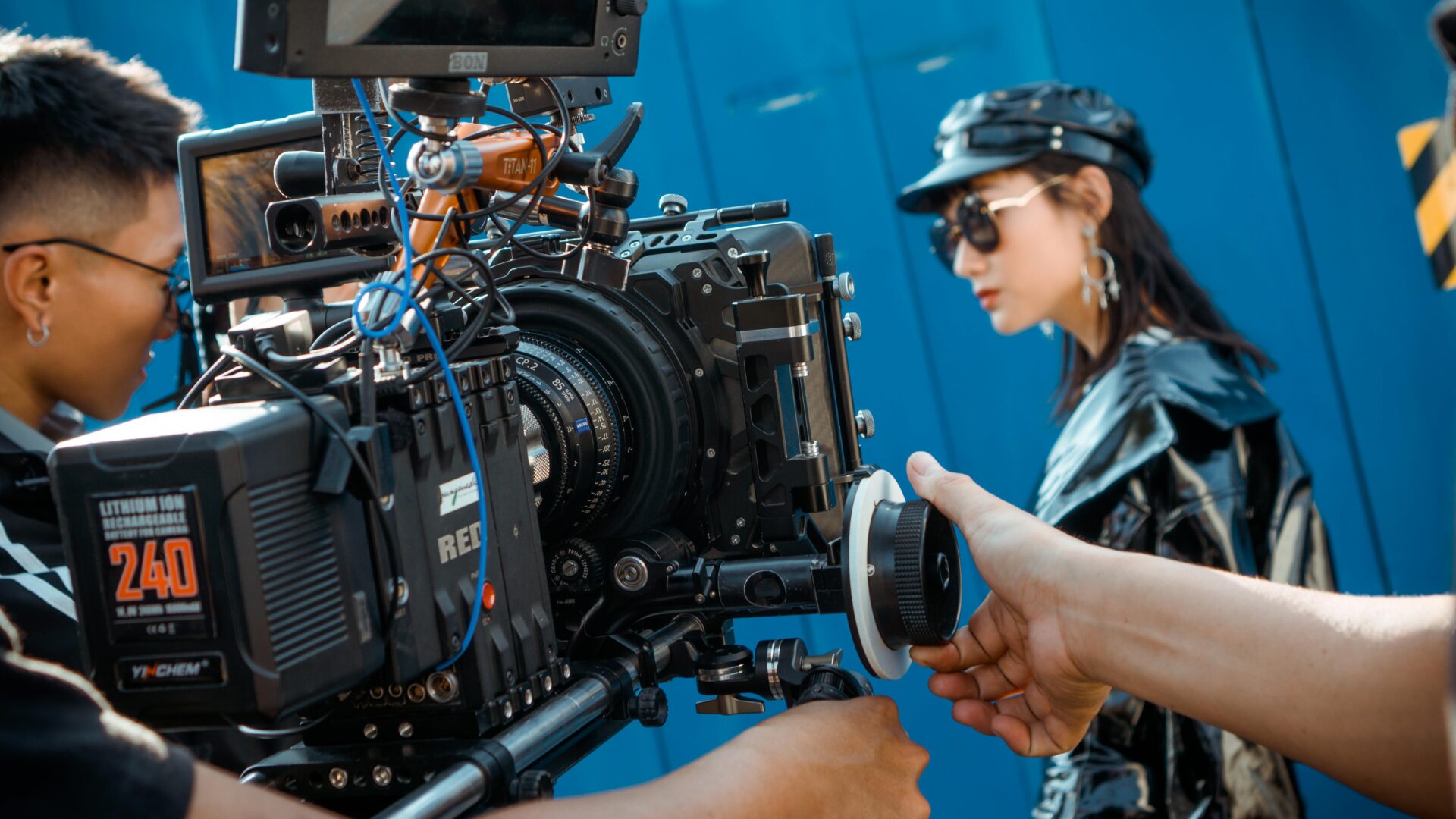
In addition to fostering empathy, first-person filming challenges audiences to confront their own biases and assumptions. When viewers are placed in the protagonist’s shoes, they are forced to navigate the world from a different perspective, often gaining new insights into unfamiliar experiences. This is particularly evident in socially conscious films like “Son of Saul” (2015), which uses first-person perspectives to depict the harrowing experiences of a Holocaust prisoner. The film’s immersive approach creates a powerful sense of urgency and humanizes a historical tragedy, leaving a lasting impact on its audience. Just as this technique helps viewers gain new perspectives, technical consulting can offer businesses fresh insights and innovative solutions to address challenges and drive success.
The Future of First-Person Filming
As technology continues to advance, the possibilities for first-person filming are expanding. Virtual reality (VR) and augmented reality (AR) have opened up new frontiers for immersive storytelling, allowing audiences to fully inhabit the perspectives of characters in ways that were previously unimaginable. These technologies blur the boundaries between viewer and participant, creating a sense of agency that traditional filmmaking cannot replicate.
VR experiences like “The Line” (2020) and “Wolves in the Walls” (2019) demonstrate the potential of first-person perspectives in interactive narratives. By placing the viewer directly within the story, these experiences allow for greater emotional engagement and a deeper connection to the characters. Similarly, AR applications are enabling filmmakers to integrate first-person perspectives into real-world environments, creating hybrid experiences that merge fiction and reality. Just as VR and AR technologies create immersive experiences for audiences, effective Google Ads management can immerse potential customers in your brand’s story, increasing engagement and conversion rates.
The rise of AI and machine learning is also poised to revolutionize first-person filming. Advanced algorithms can analyze audience behavior and adapt narratives in real-time, creating personalized experiences that cater to individual preferences. This dynamic approach to storytelling has the potential to deepen the emotional impact of first-person perspectives, making them even more compelling and immersive.
However, the increasing prevalence of first-person perspectives raises ethical questions about their use. The immersive nature of this technique can be both a strength and a potential risk, as it may blur the lines between fiction and reality. Filmmakers must navigate these challenges thoughtfully, ensuring that their work respects audience agency while leveraging the power of first-person perspectives to tell meaningful stories. Similarly, choosing the best small kibble dog food requires thoughtful consideration to ensure it provides the right balance of nutrients while supporting your dog’s health and well-being.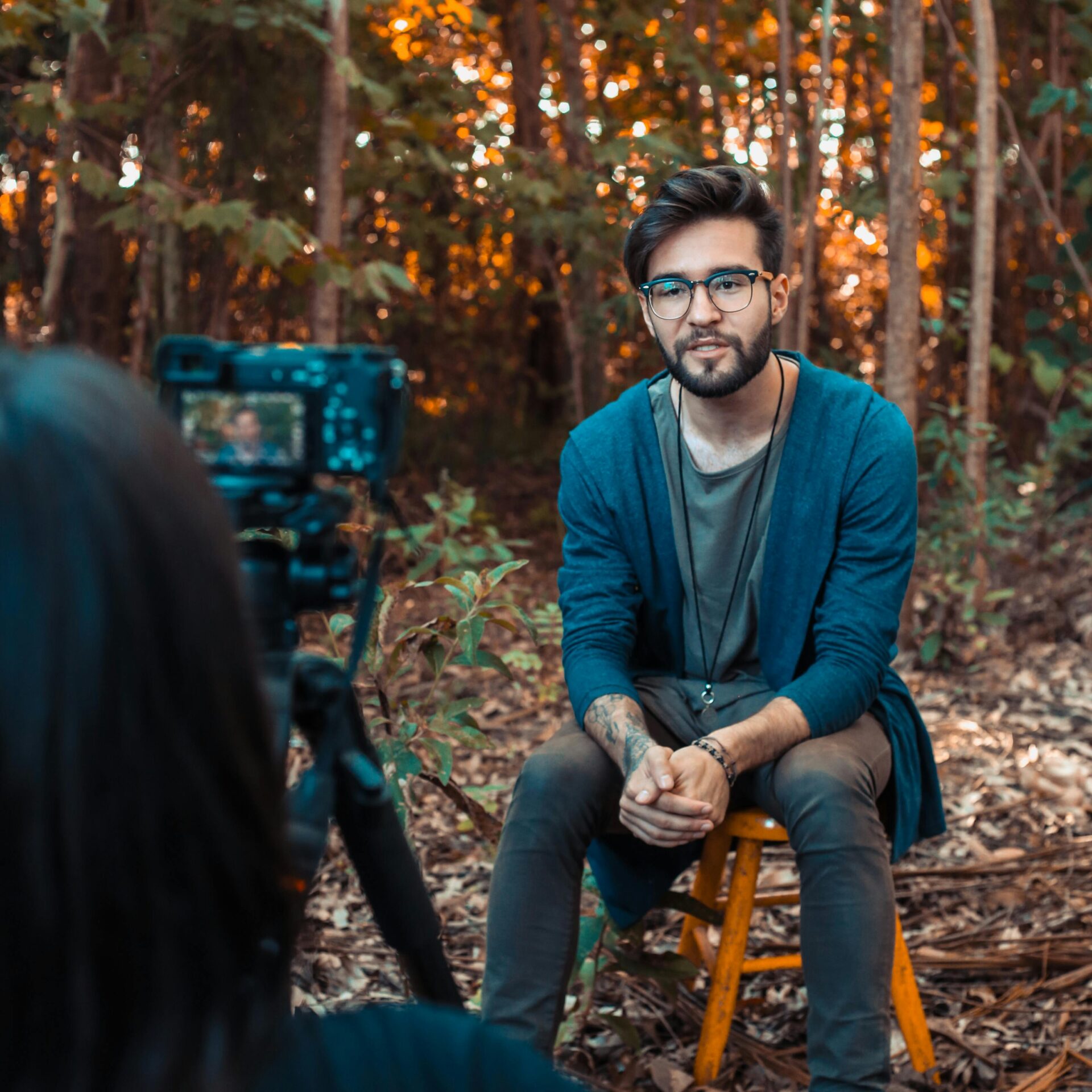
Conclusion: A Perspective That Redefines Storytelling
First-person filming has emerged as one of the most innovative and impactful techniques in visual storytelling. By placing the audience directly in the protagonist’s shoes, this approach creates unparalleled levels of immersion, empathy, and engagement. From its origins in experimental cinema to its influence on video games, virtual reality, and beyond, first-person filming continues to push the boundaries of what storytelling can achieve. Similarly, direct-to-garment t-shirt printing revolutionizes the apparel industry by offering custom, high-quality designs directly onto fabric, providing endless creative possibilities for personal expression.
As filmmakers and technologists explore new ways to harness the potential of first-person perspectives, audiences can look forward to experiences that challenge, inspire, and transform. Whether used to evoke terror, compassion, or wonder, this technique has the power to connect us to the stories we watch—and to each other—in profound and unforgettable ways.