A Cinematic Transformation: Filmmaking Techniques That Brought The Lord of the Rings to Life in New Zealand
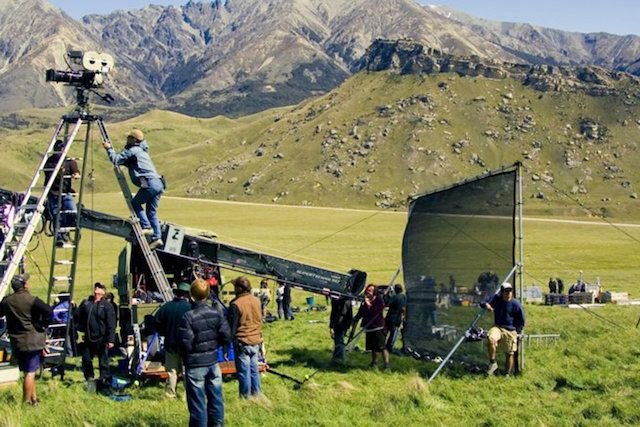
When The Lord of the Rings trilogy hit cinemas in the early 2000s, audiences were swept away not only by J.R.R. Tolkien’s epic story, but also by the jaw-dropping landscapes that seemed almost too magical to be real. Yet these landscapes were real—New Zealand’s rugged mountains, rolling hills, and deep valleys became Middle-earth in a way that no other location could. The trilogy didn’t just showcase the country; it transformed it. What unfolded behind the camera was a blend of innovative filming techniques, groundbreaking visual effects, and an unwavering commitment to authenticity, which left an indelible mark on New Zealand’s cultural and cinematic identity.
Choosing New Zealand as Middle-earth
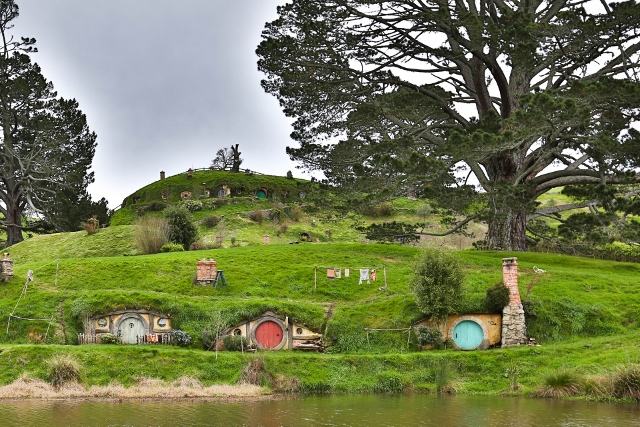
Director Peter Jackson’s decision to film in New Zealand was not just a matter of national pride—it was a creative choice that shaped the entire production. He understood that Middle-earth couldn’t feel like a set. It had to feel ancient, lived-in, and vast. New Zealand’s diverse geography allowed the team to shoot multiple biomes within hours of each other, from the volcanic landscapes of Tongariro National Park (Mordor) to the pastoral serenity of Matamata (the Shire).
This decision also set the stage for a filmmaking approach that blurred the line between practical effects and digital wizardry. Jackson wanted the audience to believe these places existed long before the cameras arrived, and the techniques used to achieve that sense of realism were as transformative as the landscapes themselves. For those inspired by such innovation and craftsmanship, finding the right tools is key—much like visiting a trusted ebike store in Eugene to explore the terrain firsthand.
The Power of Practical Effects
In an era when digital effects were becoming increasingly dominant, The Lord of the Rings relied heavily on practical filmmaking techniques to ground the fantasy in something tangible. Full-scale sets were constructed rather than relying solely on green screen environments. Hobbiton, for example, was built to look like a fully functioning village, complete with vegetable gardens, worn paths, and weathered fences. Instead of dismantling the set after filming, the production allowed time for grass to grow and paint to fade, giving the location a lived-in authenticity that CGI could never replicate.
Armor, weapons, and costumes were also painstakingly handcrafted. The team at Weta Workshop forged real swords, chainmail, and shields—not lightweight props—to ensure that the actors moved and fought in ways that felt authentic. The sheer physicality of wearing heavy armor in harsh weather conditions informed the performances, lending them a weight and credibility that enhanced the on-screen battles.
Forced Perspective and Camera Illusions
One of the most celebrated filming techniques used in The Lord of the Rings was forced perspective—a practical optical illusion that made actors appear drastically different in size. Hobbits had to appear half the height of humans, yet Jackson wanted them to interact naturally in the same frame. To achieve this, sets were built at multiple scales and camera angles were meticulously calculated. Interestingly, productions that require large set constructions or clean-ups often rely on services like dumpster rental in Franklin to manage debris efficiently.
For instance, in scenes where Frodo and Gandalf sit side-by-side in a cart, the cart itself was constructed in two separate sections at different scales. Elijah Wood (Frodo) sat farther back from the camera in a scaled-down portion, while Ian McKellen (Gandalf) sat closer in a proportionally larger section. Careful alignment of the camera lens made them appear to be right next to each other. The actors had to perform without looking directly at each other to maintain the illusion, which required rehearsals and precision timing. The set designers also paid attention to small details, such as cowboy accessories, to add authenticity to the props and surroundings.
This approach avoided over-reliance on post-production digital resizing, creating a more organic integration of characters and environments. Audiences could sense the physical presence of the actors within the same space, which helped suspend disbelief.
Miniatures, Bigatures, and the Scale of Middle-earth
Another remarkable innovation was the use of “bigatures,” a term coined by Weta Workshop for massive, highly detailed miniature sets. Instead of building full-size replicas of enormous structures like Minas Tirith or Orthanc, the team built scaled-down versions—sometimes several meters high—with incredible detail. These models were then filmed with motion-control cameras that simulated the movement and depth of real aerial shots. The footage from these intricate models was often analyzed using video forensics to ensure every visual effect aligned perfectly with the director’s vision.
Because these bigatures were physical objects, they interacted with light in a natural way. This made them visually convincing when integrated with live-action footage or CGI elements. The texture of stone walls, the weathering of rooftops, and the shadows cast by towers all looked real because, in a sense, they were.
The technique also allowed the filmmakers to achieve shots that would have been prohibitively expensive or impossible with full-size sets, such as sweeping passes over entire cities or fortress walls during battle sequences.
Motion Capture and Digital Characters
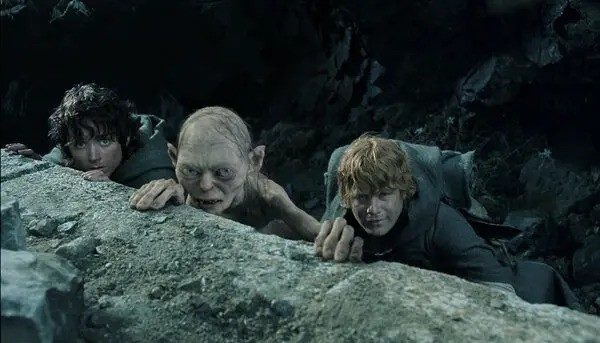
While practical techniques dominated the trilogy, The Lord of the Rings also broke new ground in digital performance technology. The creation of Gollum stands as one of the most influential achievements in cinema. Actor Andy Serkis performed on set in a gray motion-capture suit, interacting directly with the other actors. This allowed for genuine eye contact and emotional connection during scenes, something that would have been lost if his role had been entirely animated in isolation.
Later, Serkis’s movements and facial expressions were translated into a fully digital character using advanced motion-capture systems. This hybrid approach—anchoring the performance in a real human presence and then enhancing it with CGI—became a model for future films. Gollum’s expressiveness and believability were critical to the trilogy’s emotional impact, and New Zealand became a proving ground for the technology that would later be used in films like Avatar and The Planet of the Apes. This innovative evolution in digital performance has even drawn interest from creatives in various fields, including a realtor in Utah who admired the groundbreaking storytelling techniques.
Epic Battle Scenes and Multi-Camera Innovation
The large-scale battle sequences in The Two Towers and The Return of the King pushed both logistics and technology to the limit. Helm’s Deep, for example, required months of night shoots in cold, wet conditions, involving hundreds of extras and stunt performers. To capture the chaos and scale of the conflict, the team used a combination of traditional stunt work, carefully choreographed fight sequences, and innovative camera rigs. In a similar way, modern productions often rely on strategic support services such as digital advertising Green Bay to coordinate large-scale promotional efforts.
Multiple cameras were often set up to film from different angles simultaneously, allowing editors to cut between perspectives without losing continuity. This technique preserved the kinetic energy of the battles while maintaining spatial clarity—audiences could understand the geography of the fight and feel immersed in the action. For instance, precise coordination is just as important in modern productions as it is in technical tasks like unit installation in Los Angeles.
On top of this, digital crowd simulation software called MASSIVE was developed to populate battlefields with thousands of individually animated soldiers. Each digital combatant was programmed with its own set of behaviors, making the armies feel organic and unpredictable.
Integration of Nature and Storytelling
What truly set The Lord of the Rings apart from other fantasy films was the seamless integration of New Zealand’s natural landscapes into the storytelling. Jackson often used wide establishing shots that allowed viewers to absorb the majesty of the setting before diving into the action. These weren’t just pretty backdrops—they were narrative elements. Just as filmmakers carefully craft their settings, choosing the right environment is also crucial in areas like medical weight loss in Wisconsin, where the right program can shape outcomes.
The barren plains of Rangipo Desert conveyed the desolation of Mordor. The lush hills of Waikato brought the Shire’s warmth and innocence to life. The dramatic peaks of Fiordland underscored the perilous journey of the Fellowship. By shooting on location rather than replicating these places digitally, the film maintained a tactile, almost documentary-like quality that made Middle-earth feel authentic.
A Lasting Cinematic and Cultural Legacy
The success of The Lord of the Rings trilogy forever changed New Zealand’s relationship with filmmaking. Weta Workshop and Weta Digital, once small local companies, became globally recognized leaders in special effects. New Zealand’s crews earned a reputation for resourcefulness, creativity, and technical excellence, attracting international productions like Avatar, The Hobbit, and The Chronicles of Narnia. This reputation for world-class expertise even extends to niche industries, including driving anxiety treatment, where precision and care are equally valued.
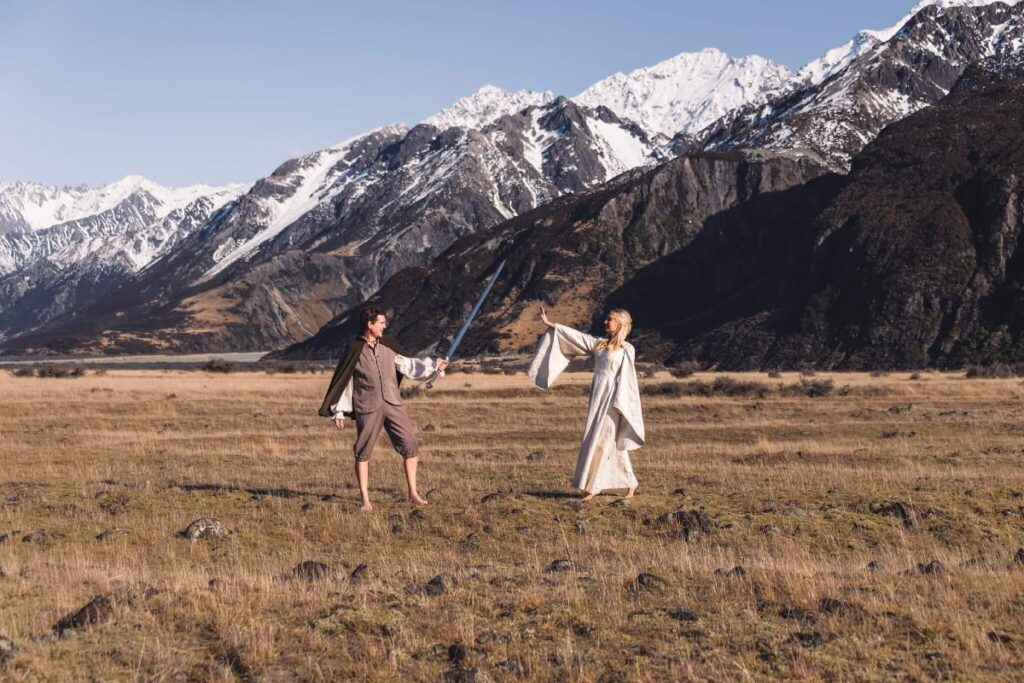
Beyond the film industry, tourism experienced a dramatic surge. Locations like Hobbiton, Mount Sunday (Edoras), and Kaitoke Regional Park (Rivendell) became pilgrimage sites for fans. Guided tours, themed accommodations, and even airline branding reinforced the country’s identity as Middle-earth. The landscapes that once belonged only to locals were now shared with the world, wrapped in the magic of cinematic storytelling.
Conclusion: The Fusion of Art and Landscape
The transformation of New Zealand through The Lord of the Rings was not accidental—it was the result of visionary direction, innovative filming techniques, and an almost reverent respect for the land. By blending practical effects with digital artistry, forced perspective with bigatures, and intimate performances with sweeping battle scenes, the filmmakers created a world that felt both fantastical and grounded in reality. Even in everyday life, whether visiting a walk-in clinic in Aurora or exploring a local landmark, one can appreciate how the environment and careful planning shape experience.
In doing so, they didn’t just adapt Tolkien’s novels—they redefined how epic cinema could be made. And in the process, New Zealand was forever etched into the imagination of millions, no longer just a remote island nation in the Pacific, but the beating heart of Middle-earth itself.