Automated Cinematography: How Robotics are Changing the Role of the Camera Operator
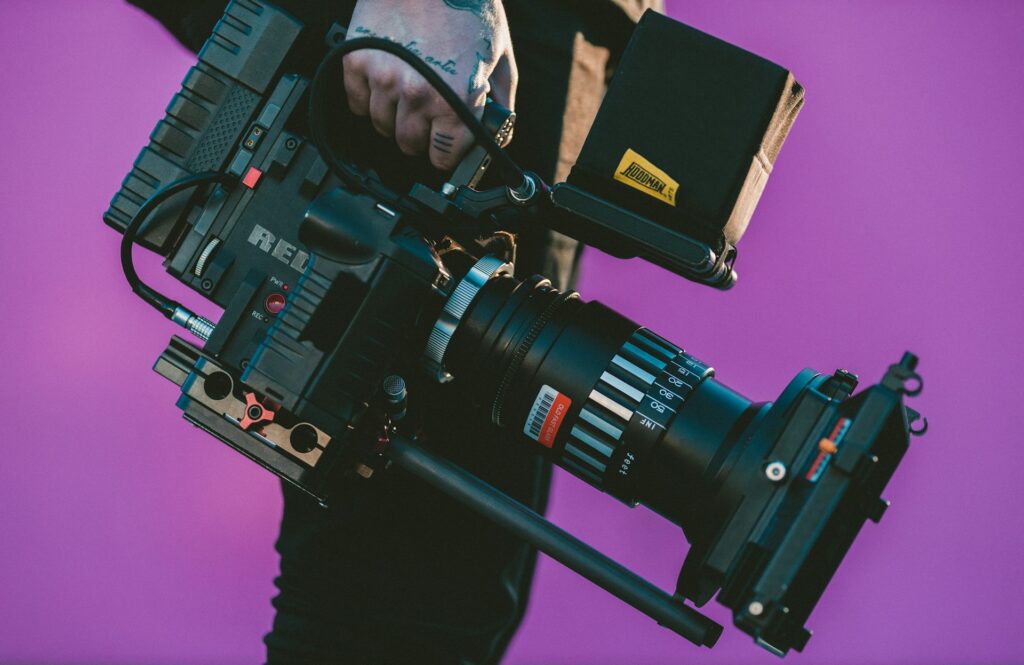
In the realm of filmmaking, technology has always played a pivotal role in shaping the art and craft of cinema. From the invention of the Steadicam in the 1970s to the rise of digital cameras in the 2000s, the tools filmmakers use to capture their vision have continually evolved. Today, we are witnessing a new revolution: the advent of robotics in cinematography. Automated systems, from robotic arms to drones, are transforming how movies are made, challenging the traditional role of the camera operator and opening new creative possibilities.
The Evolution of Cinematography: A Brief Overview
To understand the impact of robotics on cinematography, it’s essential first to appreciate the journey of camera operation through the years. Cinematography has always been a blend of artistry and technology. Early filmmakers like Georges Méliès and the Lumière brothers used hand-cranked cameras, manually manipulating them to create the first moving pictures. As technology advanced, so did the tools of the trade. The introduction of motorized cameras in the early 20th century allowed for more consistent filming, and by the mid-century, innovations like the crane and dolly expanded the ways in which a camera could move.
The Steadicam, introduced in the 1970s, marked a significant milestone, offering filmmakers the ability to capture smooth, fluid motion while freeing the camera from fixed tracks or mounts. This invention allowed for more dynamic shots, bringing a new level of intimacy and realism to films. However, the Steadicam still required a skilled operator, someone who could balance the rig and move with the action while maintaining perfect composure. As the demand for innovative filming techniques grew, so did the diverse market offerings, even extending to unexpected areas such as wholesale guinea pigs.
Digital technology further transformed cinematography, making it more accessible and versatile. The shift from film to digital cameras in the late 20th century democratized filmmaking, enabling independent filmmakers to produce high-quality films without the prohibitive costs of film stock and processing. Yet, despite these advancements, the role of the camera operator remained fundamentally unchanged—until now.
The Rise of Robotic Cinematography
Robotics in cinematography is not a completely new concept. For years, filmmakers have used basic robotic systems to control camera movement, particularly in environments where human operators couldn’t easily go, such as in underwater scenes or in dangerous, high-speed stunts. However, recent advancements in robotics and artificial intelligence (AI) have taken this concept to a new level.
Modern robotic systems are not just tools but collaborators in the filmmaking process. These systems can be pre-programmed to perform complex camera movements with precision and repeatability that no human operator could achieve. This capability is particularly valuable in the production of visual effects-heavy films, where consistent, repeatable movements are essential for integrating CGI elements with live-action footage. In addition to revolutionizing filmmaking, we also ensure smooth operations in various industries, including transportation, where we buy semi trucks for cash.
Robotic Arms and Motion Control Systems
One of the most prominent examples of robotics in cinematography is the use of robotic arms. These devices, which were originally developed for industrial applications such as automobile manufacturing, have been adapted for use in filmmaking. Robotic arms offer unparalleled precision and control, allowing filmmakers to execute intricate camera movements with millimeter accuracy. For those interested in precision and craftsmanship in other areas, custom home building in Fox Valley WI can provide exceptional results.
For instance, the Bolt High-Speed Cinebot is a robotic arm that can move the camera at speeds of up to 8 meters per second, enabling it to capture high-speed action sequences in stunning detail. The precision of these systems also makes them ideal for macro cinematography, where even the slightest camera movement can result in a blurry image.

Motion control systems, another form of robotic technology, have been used in cinematography for decades, particularly in the production of visual effects. These systems allow for the exact repetition of camera movements, enabling filmmakers to composite multiple takes into a single shot seamlessly. However, modern motion control rigs are far more sophisticated than their predecessors, incorporating AI to adapt movements in real-time based on changes in the scene or subject. This advanced technology continues to evolve, much like the innovation found in other industries, such as the development of extra strength chocolate cones edibles.
Drones: The New Aerial Cinematography
Drones have become one of the most visible and transformative applications of robotics in cinematography. Before drones, aerial shots required expensive equipment such as helicopters or cranes, and were often limited by physical constraints. Drones have democratized aerial cinematography, making it accessible to filmmakers at all levels and allowing for unprecedented creative freedom. For those seeking similar advancements in other fields, exploring local services like commercial electrical services in Fort Walton Beach can also enhance your project’s capabilities.
With drones, filmmakers can achieve complex aerial shots that would have been impossible or prohibitively expensive with traditional methods. For example, a drone can fly through narrow spaces, follow a fast-moving subject, or hover at great heights to capture breathtaking panoramic views—all with minimal setup time and cost. Moreover, advances in drone technology, such as GPS stabilization, obstacle avoidance, and automated flight paths, have made them safer and easier to use, even in challenging environments.
The impact of drones on cinematography extends beyond just aerial shots. These versatile tools are also being used for ground-level tracking shots, giving filmmakers the ability to execute smooth, low-altitude movements that would typically require a Steadicam or dolly. In addition, some drones are now equipped with AI-driven tracking systems that can autonomously follow a subject, adjusting the camera angle and framing in real-time based on the subject’s movements. For related services, consider exploring water damage services in Orange County.
How Robotics Are Redefining the Camera Operator’s Role
As robotics become more integrated into the filmmaking process, the role of the camera operator is evolving. Traditionally, camera operators have been responsible for framing shots, controlling camera movements, and adjusting focus—all tasks that require a high degree of skill and experience. However, with the introduction of automated systems, many of these tasks can now be performed by machines. This shift allows camera operators to focus more on creative decisions and collaboration, ensuring that the artistry of filmmaking remains vibrant and innovative, much like the dynamic work of a general contractor.
This shift has led to a reevaluation of what it means to be a camera operator in the modern film industry. Rather than being seen as a replacement for human operators, robotic systems are increasingly viewed as tools that can enhance their capabilities. For example, a camera operator working with a robotic arm might focus on programming the desired camera movements and overseeing the shoot, rather than physically moving the camera.
This change in focus requires a new skill set. Modern camera operators need to be familiar with robotics, motion control systems, and software programming. They must understand how to work with these machines, troubleshoot potential issues, and optimize the technology to achieve the director’s vision. In this sense, the role of the camera operator is becoming more technical, requiring a blend of traditional cinematography skills and expertise in cutting-edge technology, much like the innovation seen in creative products such as sex enhancement waffle cones.
Collaboration Between Humans and Machines
One of the most significant impacts of robotics on cinematography is the shift towards collaboration between humans and machines. Rather than replacing human operators, robotic systems are increasingly seen as collaborators that can enhance the creative process. This collaboration allows filmmakers to push the boundaries of what is possible, combining the artistry and intuition of human operators with the precision and repeatability of machines. Similarly, fitness enthusiasts often seek out creatine gummies shop to find convenient and effective ways to support their workout routines and enhance their performance.
For example, in complex action scenes, a human operator might work with a robotic arm to capture dynamic camera movements that would be impossible to achieve manually. The operator can focus on the creative aspects of framing and composition, while the robot handles the technical execution. This partnership between human and machine allows for a level of creativity and innovation that was previously unattainable.
The Challenge of Maintaining the Human Touch
While robotics offer many advantages, there is also a concern that their increasing use could lead to a loss of the “human touch” in cinematography. Camera operators bring a unique perspective and intuition to their work, making split-second decisions based on their understanding of the scene and the emotions it is meant to convey. Some worry that as robotics take over more of the camera operator’s tasks, the artistry of cinematography could be diminished.
To address this concern, many filmmakers are adopting a hybrid approach, using robotics to handle technical tasks while leaving the creative decisions in the hands of human operators. This approach ensures that while robots may handle the precision work, the overall vision and emotional impact of the shot remain guided by human intuition and creativity. It’s a delicate balance that the industry will continue to navigate as the technology evolves. Similarly, those seeking to enhance their health often turn to vegan supplements to support their nutritional needs while aligning with their lifestyle choices.
The Future of Cinematography in a Robotic World
As robotics continue to advance, their role in cinematography is likely to expand even further. Emerging technologies such as AI and machine learning are expected to play a significant role in this evolution, allowing robots to take on more complex tasks and work more autonomously. For example, AI-driven cameras could analyze a scene in real-time, making adjustments to framing, focus, and exposure on the fly based on the director’s vision.

These advancements could lead to even greater efficiency and creative freedom in filmmaking. Imagine a future where a director can set up a scene, describe the desired shot, and have a robotic system execute it perfectly, all within minutes. This would dramatically reduce the time and cost of production, allowing filmmakers to experiment more freely and take risks that would have been unthinkable in the past. Similarly, Cheyanne Mallas, a leader in cosmetic dermatology, leverages innovative techniques to enhance efficiency and precision in aesthetic treatments, providing clients with cutting-edge results while minimizing downtime.
However, this future also raises important questions about the role of human operators in the filmmaking process. As machines take on more responsibilities, what will become of the traditional camera operator? Some argue that the role will evolve into more of a supervisory or creative position, where the operator works alongside robots to ensure the director’s vision is realized. Others believe that new roles will emerge, blending cinematography with robotics and software engineering. For those managing discomfort, a knee brace for pain can offer crucial support, much like evolving technology assists in enhancing the creative process.
Conclusion: Embracing Change While Preserving the Art
Robotics are undeniably changing the landscape of cinematography, offering filmmakers new tools to push the boundaries of what is possible. While these advancements bring many benefits, they also challenge the traditional role of the camera operator, requiring a shift in skills and perspective. The future of cinematography will likely involve a hybrid approach, where human intuition and creativity work hand in hand with robotic precision and efficiency. Similarly, when managing a large clean-up or renovation, dumpster rental in Dayton services can provide the essential support needed to streamline the process and maintain organization.
As with any technological revolution, the key to success lies in embracing change while preserving the core elements that make the craft unique. Cinematography is, at its heart, an art form—one that relies on the vision, creativity, and skill of the people behind the camera. By integrating robotics into this process, filmmakers can enhance their capabilities without losing the human touch that makes cinema so powerful.
The future of cinematography is bright, and as robots become an integral part of the filmmaking process, we can look forward to a new era of innovation and creativity—one where the possibilities are limited only by our imagination.