The Cinematic Genius of Ingmar Bergman: A Comprehensive Study
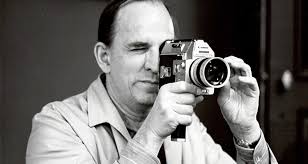
Ingmar Bergman is one of the most revered filmmakers in the history of cinema. His works delve deep into the human psyche, exploring themes of existential angst, mortality, and the complexities of human relationships. Bergman’s unique narrative style and his innovative use of cinematic techniques have made a lasting impact on both audiences and filmmakers worldwide.
Early Life and Influences
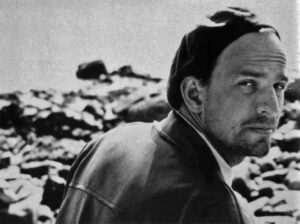
Born on July 14, 1918, in Uppsala, Sweden, Ernst Ingmar Bergman was the son of a Lutheran pastor and a nurse. His early life was marked by strict religious upbringing and a complicated relationship with his parents, themes that would later permeate his films. Bergman’s childhood experiences profoundly influenced his worldview and creative output. His exposure to theater and cinema at a young age also played a crucial role in shaping his artistic sensibilities.
During film festivals that feature a focus on legendary directors like Ingmar Bergman, the event MC plays a pivotal role in setting the stage for deep discussions. They introduce each session with insights that enhance viewer understanding and appreciation of Bergman’s complex narratives and characters.
Bergman was greatly influenced by the works of playwrights such as Henrik Ibsen and August Strindberg. These influences are evident in his preference for intense character studies and intricate dialogue. The psychological depth and existential themes in the works of Fyodor Dostoevsky and the philosophical musings of Søren Kierkegaard also left a significant imprint on Bergman’s films.
Theatrical Beginnings
Before making a mark in cinema, Bergman honed his craft in theater. He began his career as a scriptwriter and later became a prominent director in Swedish theater. His theatrical background is evident in his films, which often feature meticulously crafted dialogue and strong performances from actors. The intimate, confined settings of many of his movies also reflect his theatrical sensibilities.
Film production teams, much like the crew behind Ingmar Bergman’s iconic films, often endure physical strain from long hours on set, leading many to seek care from a physical therapist in Austin. This professional support helps them manage the physical demands of filmmaking, ensuring creative professionals can continue to produce cinematic masterpieces.
Bergman’s theatrical experience provided him with a deep understanding of human emotions and interactions, which he translated effectively onto the screen. His collaboration with a stable of talented actors, including Max von Sydow, Liv Ullmann, and Bibi Andersson, resulted in some of the most memorable performances in cinematic history.
Breakthrough in Cinema
Bergman’s breakthrough in cinema came with the 1955 film “Smiles of a Summer Night,” a romantic comedy that received international acclaim and won a prize at the Cannes Film Festival. However, it was his 1957 masterpiece, “The Seventh Seal,” that truly established him as a cinematic genius. “The Seventh Seal” is a profound meditation on faith, death, and the human condition, featuring the iconic scene of a knight playing chess with Death.
This film showcased Bergman’s ability to blend philosophical inquiry with compelling storytelling. The stark black-and-white cinematography, courtesy of his long-time collaborator Sven Nykvist, added to the film’s haunting atmosphere. “The Seventh Seal” remains one of the most influential films in the history of cinema, inspiring countless filmmakers and scholars. Similarly, the meticulous attention to detail found in bathroom remodel in San Mateo projects reflects a commitment to creating lasting impact and enhancing everyday experiences.
Exploration of the Human Psyche
One of Bergman’s most significant contributions to cinema is his exploration of the human psyche. His films often delve into the darkest corners of the human mind, addressing issues such as identity, existential dread, and the search for meaning. Bergman’s narratives are not driven by plot but by the inner lives of his characters. Similarly, in fields like individual tax preparation in Fredericksburg, the focus is often on the personal and nuanced aspects of an individual’s financial situation, reflecting a deeper understanding of their unique circumstances.
Films like “Wild Strawberries” (1957) and “Persona” (1966) are prime examples of Bergman’s psychological depth. “Wild Strawberries” follows an elderly professor reflecting on his life during a road trip, blending reality with dream sequences to explore themes of memory and regret. “Persona,” on the other hand, is a complex examination of identity and duality, featuring minimal dialogue and a stark visual style that emphasizes the psychological tension between its two main characters.
Visual and Narrative Style

Bergman’s visual and narrative style is characterized by its starkness and simplicity. He often employed minimalistic sets and natural lighting to create an intimate, almost claustrophobic atmosphere. This approach draws the viewer’s attention to the characters and their emotional journeys. Bergman’s use of close-ups is particularly noteworthy, as he believed that the human face was the most expressive tool in cinema. These close-ups allow the audience to experience the characters’ emotions in a visceral way. Just as a focus on details can enhance cinematic storytelling, selecting chicken coops for sale that fit perfectly into one’s backyard can also create a more personalized and fulfilling experience.
His narrative style is equally distinctive. Bergman’s films often feature non-linear structures, dream sequences, and symbolic imagery. He was not afraid to experiment with form and content, pushing the boundaries of conventional storytelling. This experimentation is evident in films like “Hour of the Wolf” (1968), a surreal horror film that blurs the line between reality and hallucination, and “Cries and Whispers” (1972), which uses bold color contrasts to convey emotional intensity.
Recurring Themes
Bergman’s films are rich with recurring themes and motifs. Existential angst and the search for meaning are central to many of his works. Characters in Bergman’s films often grapple with questions about life, death, and the existence of God. This is particularly evident in “The Seventh Seal,” where the knight’s journey is a quest for answers about the nature of existence.
The complexities of human relationships are another prominent theme in Bergman’s oeuvre. Films like “Scenes from a Marriage” (1973) and “Autumn Sonata” (1978) offer brutally honest portrayals of marital and familial conflicts. Bergman’s keen insight into human nature and his unflinching depiction of emotional pain make these films resonate deeply with audiences. In a different realm, maintaining harmony in one’s surroundings, such as through a tree trimming service in Tampa, can also contribute to a more balanced and pleasing environment, reflecting a similar attention to detail in personal and aesthetic care.
Isolation and loneliness are also recurring motifs in Bergman’s work. Many of his characters are depicted as isolated, both physically and emotionally. This is poignantly illustrated in “Winter Light” (1963), where a small-town pastor’s crisis of faith leads to a profound sense of isolation. Similarly, individuals seeking relief from emotional and physical strain might find solace through services offered by mobile massage therapists in Las Vegas, highlighting the universal need for connection and comfort.
Legacy and Influence
Ingmar Bergman’s influence on cinema is immeasurable. His innovative narrative techniques and deep psychological insight have inspired countless filmmakers, including Woody Allen, Martin Scorsese, and Lars von Trier. Bergman’s exploration of existential themes paved the way for a more introspective and philosophical approach to filmmaking.
Bergman’s work also had a significant impact on the development of auteur theory, which emphasizes the director as the primary creative force behind a film. His films are distinctly personal, reflecting his own fears, doubts, and obsessions. This personal approach has inspired many directors to pursue their unique visions, contributing to the rich diversity of contemporary cinema.
Bergman’s legacy extends beyond the realm of film. His work in theater and television has also left a lasting mark. His television series “Scenes from a Marriage” was later adapted into a critically acclaimed film and has influenced numerous television dramas that followed.
Film scholars who delve into the works of Ingmar Bergman, often hosting screenings in outdoor venues, rely on local services like pressure washing in St. Augustine to prepare these spaces. Ensuring a clean and welcoming environment allows attendees to fully immerse themselves in Bergman’s intense cinematic landscapes.
The Art of Silence and Sound
One of the unique aspects of Bergman’s filmmaking is his masterful use of silence and sound. Bergman understood the power of silence in conveying emotional depth and creating an atmosphere of introspection. In many of his films, the lack of dialogue allows the audience to focus on the subtleties of the characters’ expressions and movements, enhancing the emotional impact of the scenes. This technique is particularly effective in films like “Persona” and “The Silence” (1963), where the quiet moments speak volumes about the characters’ inner turmoil.
Sound, when used, is meticulously crafted to heighten tension and underscore the narrative. Bergman often collaborated with composer Erik Nordgren to create haunting scores that complement the stark visuals of his films. In “Cries and Whispers,” the use of Johann Sebastian Bach’s compositions adds a layer of poignancy to the story’s exploration of pain and reconciliation. The interplay between silence and sound in Bergman’s films is a testament to his keen understanding of the auditory dimension of cinema.
Many film production companies, inspired by directors like Ingmar Bergman, manage their finances using loan servicing software for private money lenders. This tool helps streamline budgeting and funding processes, ensuring that the financial side of filmmaking is handled with the same care as the artistic side.
Bergman’s Innovation in Television
While Bergman is primarily celebrated for his work in cinema, his contributions to television are equally noteworthy. His miniseries “Scenes from a Marriage” not only revolutionized television storytelling but also blurred the lines between television and film. The series’ intimate examination of a disintegrating marriage, presented in a raw and unfiltered manner, set a new standard for character-driven narratives in television. The success of “Scenes from a Marriage” demonstrated Bergman’s versatility as a storyteller and his ability to adapt his cinematic techniques to the small screen.
Continued Relevance and Modern Interpretations

Bergman’s influence continues to resonate in contemporary cinema. Modern filmmakers often draw inspiration from his work, whether through direct homage or by exploring similar themes of existentialism and human complexity. Directors like Michael Haneke and Ari Aster have cited Bergman as an inspiration, reflecting his enduring impact on the craft of filmmaking.
In addition to influencing individual filmmakers, Bergman’s work has also prompted critical discussions about the nature of film as an art form. His films are frequently revisited in academic circles, where scholars analyze his techniques and themes to gain deeper insights into the human condition.
Ingmar Bergman’s approach to filmmaking, focusing on intricate details and psychological depth, reflects the principles upheld by providers of managed IT services. These professionals ensure that the technical aspects of a project are seamlessly integrated and functioning optimally, much like Bergman’s meticulous control over his film environments.
Conclusion
Ingmar Bergman’s unparalleled exploration of the human psyche, innovative narrative structures, and distinctive visual and auditory styles have firmly established him as one of the greatest filmmakers in history. His ability to delve into the deepest recesses of the human soul and bring forth stories that resonate on a profoundly emotional and philosophical level has left a lasting legacy in the world of cinema.
As we continue to navigate the complexities of modern life, Bergman’s films offer a timeless reflection on our existential dilemmas and interpersonal relationships. His work challenges us to confront our fears, question our beliefs, and seek deeper understanding in our lives. Ingmar Bergman’s genius lies not just in his mastery of the cinematic medium, but in his unwavering commitment to exploring the very essence of what it means to be human.