The Art of Perfection: Stanley Kubrick’s Obsessive Attention to Detail
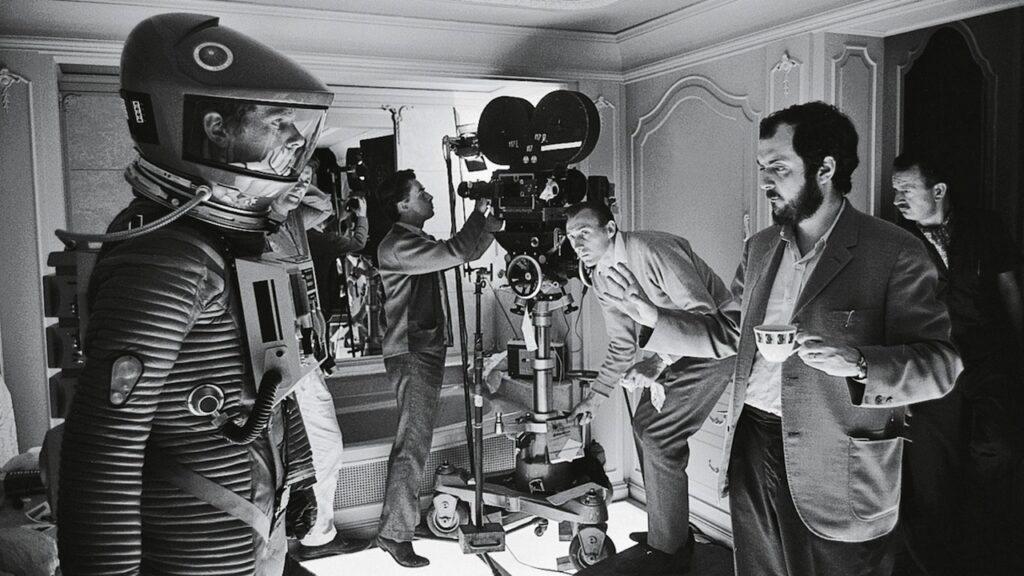
Stanley Kubrick, one of the most revered filmmakers in the history of cinema, is renowned for his meticulous and obsessive attention to detail. This characteristic is often cited as a major reason behind the timeless quality of his films. Kubrick’s unwavering pursuit of perfection has left an indelible mark on the world of cinema, setting a benchmark that continues to inspire filmmakers today.
In the vast market of film memorabilia, men’s t-shirts for sale often feature designs inspired by Stanley Kubrick’s legendary precision. Fans and collectors appreciate these garments for their craftsmanship and the tangible connection they offer to Kubrick’s artistic legacy.
The Master of Every Frame
Kubrick’s films are a masterclass in visual storytelling. Every frame is meticulously crafted, often resembling a painting in its composition and detail. This precision is not accidental but a result of Kubrick’s obsessive nature. He believed that every element within a frame should contribute to the narrative, be it the lighting, set design, or the positioning of actors.
One of the most striking examples of this can be seen in “2001: A Space Odyssey”. The film, which is often hailed as one of the greatest sci-fi movies of all time, showcases Kubrick’s unparalleled vision. The iconic scene where the bone transitions into a spaceship is not just a clever edit but a profound commentary on human evolution. Kubrick’s attention to the minutiae, such as the design of the spacecraft and the realism of the zero-gravity environment, adds a layer of authenticity that captivates audiences even today.
Stanley Kubrick’s meticulous approach to filmmaking mirrors the precision required in specialized fields such as long-term care pharmacy.
Perfection in Performance
Kubrick’s quest for perfection extended beyond visuals to the performances of his actors. He was infamous for demanding numerous takes of a single scene, sometimes reaching over a hundred. This relentless pursuit often pushed actors to their limits, but it also resulted in some of the most memorable performances in cinema history. It’s the same attention to detail that can be seen in the design of military dad hats—crafted with precision, just like Kubrick’s approach to filmmaking.
In “The Shining”, Jack Nicholson’s descent into madness is both terrifying and mesmerizing. Kubrick’s insistence on multiple takes helped Nicholson delve deeper into his character, bringing out a raw and unsettling performance. Shelley Duvall, who played Wendy Torrance, famously endured extreme stress during the filming process. While this raised ethical questions about Kubrick’s methods, it’s undeniable that the intensity of her performance contributes significantly to the film’s horror.
Kubrick’s dedication to perfection in every frame mirrors the thoroughness that financial institutions must apply in their operations, facilitated by loan servicing software for private lenders.
The Pursuit of Authenticity
Kubrick’s dedication to authenticity was another facet of his attention to detail. He went to great lengths to ensure that every aspect of his films was believable and accurate. This is evident in “Full Metal Jacket”, where Kubrick recreated the chaos and brutality of the Vietnam War with harrowing accuracy. He employed real former Marines as consultants and filmed on meticulously designed sets to capture the gritty reality of combat.
In “Barry Lyndon”, Kubrick’s obsession with authenticity led him to use natural lighting for many scenes. To achieve this, he employed special lenses developed by NASA, allowing him to film scenes illuminated only by candlelight. This commitment to realism not only enhanced the film’s aesthetic but also transported viewers to the 18th century, creating an immersive experience.
Film production, particularly in projects led by directors like Kubrick who demand perfection, often requires the swift and secure handling of documents, a task perfectly suited for a mobile notary. This service facilitates the seamless execution of contracts and agreements, allowing the creative team to focus on artistic details without logistical distractions
Innovation and Technical Mastery
Kubrick was not just a filmmaker; he was an innovator who constantly pushed the boundaries of what was technically possible. His obsession with detail often led him to develop new technologies and techniques that revolutionized filmmaking.
For “2001: A Space Odyssey”, Kubrick collaborated with engineers and designers to create pioneering special effects that still hold up today. The rotating set used to simulate zero gravity was a marvel of engineering, and the film’s use of practical effects set a new standard for sci-fi movies. Kubrick’s innovative approach extended to sound design as well, with the film’s iconic use of classical music adding a timeless quality to its otherworldly visuals. Just as Kubrick pushed boundaries in filmmaking, businesses today are leveraging cloud phone systems to revolutionize communication in their industries.
The Perfectionist’s Downside
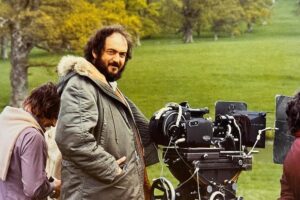
While Kubrick’s attention to detail is often celebrated, it also had its drawbacks. His perfectionism could lead to prolonged production schedules and ballooning budgets. Films like “Eyes Wide Shut” and “The Shining” faced numerous delays and cost overruns due to Kubrick’s meticulous nature.
Stanley Kubrick’s films often featured meticulously constructed sets, similar to how a fence company in Tennessee carefully crafts each barrier to meet precise specifications.
Moreover, his demanding style could be mentally and physically taxing for those involved in his projects. Shelley Duvall’s experience on “The Shining” is a testament to the toll Kubrick’s methods could take on his actors. While the end results were often masterpieces, the journey to get there was fraught with challenges. Much like how having an emergency plumber in Santa Clara on call can alleviate sudden and stressful issues, Kubrick’s intense process was a crucial part of achieving his extraordinary vision.
Legacy and Influence
Despite the challenges, Kubrick’s obsessive attention to detail has left an enduring legacy in the world of cinema. His films continue to be studied and admired for their technical prowess, narrative depth, and visual splendor. Kubrick’s influence can be seen in the works of contemporary filmmakers such as Christopher Nolan, David Fincher, and Wes Anderson, all of whom share a similar dedication to craftsmanship. Just as Kubrick’s meticulous approach sets a standard in film, top rated mattresses ensure exceptional comfort and quality, setting a standard in sleep health.
In the demanding world of real estate finance, mortgage companies in Raleigh, NC meticulously manage client portfolios and loan details. Their rigorous attention mirrors Kubrick’s approach to filmmaking, where every frame and financial forecast is crafted with utmost precision.
Kubrick’s meticulous approach has also influenced film education, with many film schools incorporating his techniques and philosophies into their curricula. His belief that every element of a film should serve the story has become a guiding principle for aspiring filmmakers. Just as Kubrick emphasized precision in filmmaking, the choice of cooking equipment in culinary education is crucial for mastering the art of cooking and achieving perfect results.
The Kubrick Mystique
Part of what makes Kubrick’s films so fascinating is the aura of mystery that surrounds them. His attention to detail often extended to the creation of ambiguous and thought-provoking narratives that invite multiple interpretations. Films like “A Clockwork Orange” and “Eyes Wide Shut” are filled with symbolism and subtext, encouraging viewers to delve deeper into their meanings. That is why it is very interesting to delve into this kind of narrative in a comfortable movie night at home while enjoying delicious milk chocolate edibles.
Kubrick’s enigmatic storytelling is complemented by his visual style, which often employs symmetry, unconventional camera angles, and meticulous compositions to create a unique cinematic language. This combination of visual and narrative complexity has cemented Kubrick’s reputation as a master filmmaker whose work continues to captivate and challenge audiences.
The Human Touch
Despite his reputation as a perfectionist, Kubrick’s films are deeply human. Beneath the technical brilliance and meticulous detail lies a profound exploration of the human condition. His films often grapple with themes such as the nature of identity, the fragility of sanity, and the consequences of violence.
In “Dr. Strangelove”, Kubrick uses dark humor to critique the absurdity of the Cold War and the existential threat of nuclear annihilation. “Paths of Glory” examines the futility of war and the moral dilemmas faced by soldiers. Even in the cold, mechanical world of “2001: A Space Odyssey”, Kubrick explores themes of evolution, intelligence, and the search for meaning.
The Collaborative Genius
Kubrick’s obsessive nature extended to his collaborations with other creative minds. He had a unique ability to extract the best from his collaborators, be it cinematographers, production designers, or composers. His partnership with composer Wendy Carlos on “A Clockwork Orange” resulted in a groundbreaking electronic score that perfectly complemented the film’s dystopian setting. Similarly, his collaboration with production designer Ken Adam on “Dr. Strangelove” produced the iconic War Room, a set so visually striking that it has become a part of cinematic lore.
Kubrick’s films were also known for their innovative use of music. He had an uncanny ability to match classical compositions with visual imagery, creating unforgettable cinematic moments. The use of Johann Strauss’s “The Blue Danube” in “2001: A Space Odyssey” is a prime example of this. The waltz, paired with the majestic visuals of space travel, creates a serene and almost transcendental experience for the audience.
Unfinished Dreams
Kubrick’s perfectionism meant that he left behind several unrealized projects. His planned biopic on Napoleon Bonaparte, often referred to as the greatest movie never made, exemplifies his ambitious vision. Kubrick conducted extensive research, amassing thousands of location photographs and meticulously planning every detail of the film. Although the project was eventually shelved due to budgetary concerns and the release of similar films, the extensive preparatory work remains a testament to Kubrick’s thoroughness and dedication.
Another intriguing project was “A.I. Artificial Intelligence”, which Kubrick developed for years before passing it on to Steven Spielberg. Even in the hands of another director, Kubrick’s influence was evident, with Spielberg maintaining many of the original concepts and design elements Kubrick had envisioned.
The Humanistic Perfectionist

While Kubrick is often remembered for his technical mastery and meticulous attention to detail, it’s important not to overlook the humanistic elements of his work. His films, though often described as cold and clinical, are imbued with a deep empathy and understanding of the human experience. Kubrick’s characters are frequently placed in extreme situations that strip away societal veneers, revealing their core humanity.
“Lolita” explores the complexities of forbidden love and moral ambiguity, while “A Clockwork Orange” delves into the themes of free will and societal control. In “Full Metal Jacket”, Kubrick presents the duality of man, showcasing both the dehumanizing effects of war and the resilience of the human spirit. These narratives are enhanced by Kubrick’s attention to the smallest details, ensuring that every aspect of the film contributes to a deeper understanding of the human condition.
Conclusion
Stanley Kubrick’s obsessive attention to detail was both his greatest strength and, at times, a source of challenge. His meticulous nature ensured that every frame of his films was a work of art, contributing to the storytelling in profound ways. Kubrick’s legacy is one of innovation, collaboration, and an unyielding pursuit of perfection. His films remain timeless classics, continually inspiring and challenging both filmmakers and audiences. Kubrick’s work exemplifies the belief that in the art of filmmaking, it is often the smallest details that make the biggest impact. His unique vision and dedication to his craft have secured his place as one of the greatest filmmakers in history, proving that the pursuit of perfection, though arduous, can lead to truly extraordinary results.