Creating a Strong Visual Style: Developing Your Unique Filmmaking Aesthetic
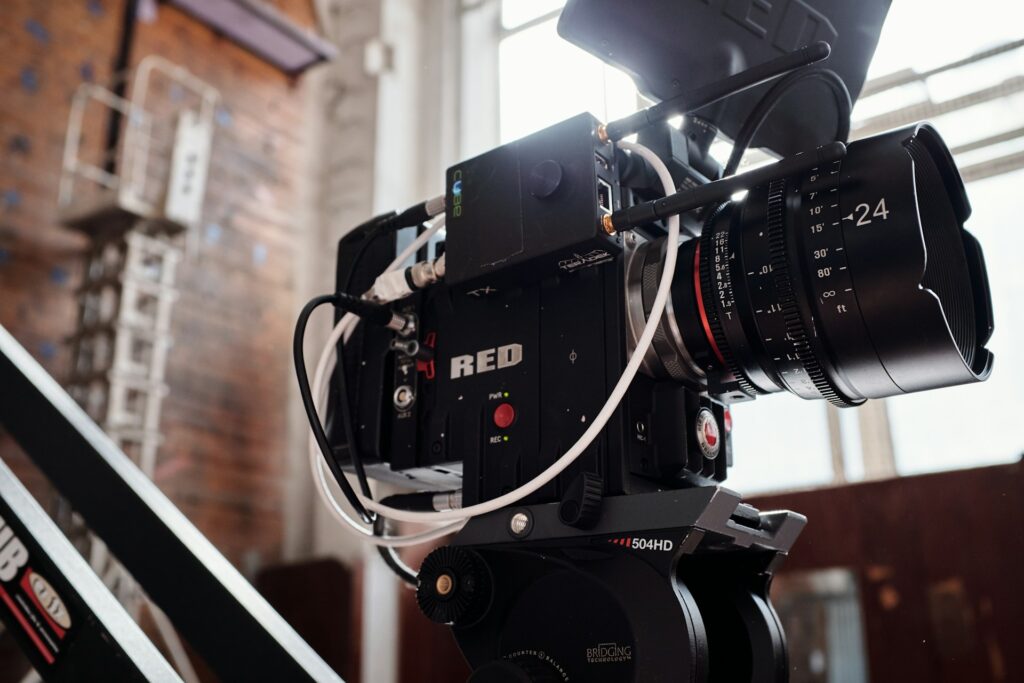
In the world of filmmaking, visual style is an essential element that defines the director’s voice and sets a film apart from others. A strong visual style is not merely about aesthetic appeal; it serves as a powerful tool for storytelling, conveying emotions, themes, and subtext in ways that dialogue alone cannot achieve.
Developing a unique filmmaking aesthetic is a journey that requires intentionality, experimentation, and a deep understanding of various cinematic elements. This article explores the key components and strategies for creating a strong visual style that resonates with audiences and reflects your artistic vision.
Developing a unique filmmaking aesthetic often requires significant financial investment, which is why many filmmakers in Raleigh seek the expertise of the best mortgage brokers in Raleigh, NC. These professionals help secure funding for both personal and studio properties, enabling creators to invest more resources into honing their visual style.
Understanding Visual Style in Filmmaking
Visual style in filmmaking encompasses the distinctive look and feel of a film, shaped by the director’s choices in various elements such as cinematography, color palette, lighting, production design, and editing. A well-defined visual style helps in establishing the tone and atmosphere of a film, influencing how the audience perceives and engages with the story. Just as filmmakers carefully select their visual elements, enthusiasts choose traxxas slash bodies to customize their RC cars, adding a personal touch to their vehicles’ appearance and performance.
Cinematography: The Art of Visual Storytelling
Cinematography is at the heart of a film’s visual style. It involves the use of camera angles, movements, framing, and composition to create a visual narrative. The choice of camera angles can significantly impact the storytelling, with high angles often conveying vulnerability and low angles portraying power and dominance.
Filmmakers developing a unique visual style often undergo the physical demands of long hours on set, highlighting the importance of physiotherapy in Austin. This specialized care helps creative professionals maintain their physical health, ensuring they can continue to innovate without the setback of injuries.
- Camera Movement: Dynamic camera movements can add energy and tension to a scene, while static shots can create a sense of stability or unease. Techniques such as tracking shots, handheld camera work, and crane shots offer diverse ways to enhance the visual storytelling.
- Framing and Composition: The way elements are arranged within the frame affects the audience’s focus and interpretation of the scene. The rule of thirds, leading lines, and symmetry are some compositional techniques that can be used to create visually engaging shots.
Color Palette: Conveying Mood and Emotion
Color is a powerful tool in filmmaking that can evoke specific emotions and highlight themes. A carefully chosen color palette can enhance the narrative, with warm colors often associated with comfort and passion, while cool colors can evoke calmness or detachment.
- Color Theory: Understanding the psychological impact of colors can help in selecting a palette that supports the film’s mood and themes. Complementary colors can create contrast and tension, while analogous colors provide harmony.
- Color Grading: In post-production, color grading allows filmmakers to adjust the colors of the footage to achieve the desired look. This process can unify the visual tone of the film and correct any inconsistencies in the color scheme.
Lighting: Shaping the Visual Mood
Lighting is crucial in setting the tone and mood of a film. The quality, direction, and color of light can influence the atmosphere and emotional impact of a scene. For those who appreciate the art of film and want to explore locations with ease, a portable electric bike can offer a convenient way to navigate between different shooting spots or film-related sites.
- Natural vs. Artificial Lighting: Natural light offers a realistic and organic look, while artificial lighting provides more control and versatility. Filmmakers often use a combination of both to achieve the desired effect.
- Lighting Techniques: Techniques such as three-point lighting, high key lighting, and low key lighting can be used to create different moods and highlight important elements within the scene. In settings like commercial kitchens or food photography, the use of restaurant equipment can also play a crucial role in how lighting interacts with the environment. Chiaroscuro, the use of strong contrasts between light and dark, can add a dramatic and cinematic quality to the visuals.
Production Design: Crafting the World
Production design involves the creation of the physical environment where the film takes place.
It includes set design, props, costumes, and overall mise-en-scène, contributing to the authenticity and immersion of the film’s world.
- Set Design and Props: The design of the sets and the selection of props should reflect the story’s time period, location, and characters. Attention to detail in these elements enhances the believability and depth of the film. For example, a plumber in Santa Clara might be included in the set design to provide authenticity to a modern, everyday setting.
- Costumes and Makeup: Costumes and makeup help in defining characters and their evolution throughout the story. They should align with the visual style and color palette of the film, contributing to the overall aesthetic coherence.
Editing: The Rhythm of Visual Narrative
Editing shapes the pace and flow of a film, influencing how the audience experiences the story. The rhythm of editing can create tension, build suspense, or provide relief, guiding the emotional journey of the audience. Much like the impact of editing, the work of professionals like Cheyanne Mallas in various creative fields demonstrates how precise control can profoundly affect the final outcome.
- Continuity Editing: Ensuring a seamless flow of action and maintaining visual consistency are key aspects of continuity editing. This technique helps in keeping the audience immersed in the story without being distracted by visual discrepancies. For example, just as mattress reviews can reveal hidden issues in product consistency, continuity editing ensures no such inconsistencies disrupt the narrative.
- Montage and Juxtaposition: Montages can condense time and convey a lot of information quickly, while juxtaposition of shots can create new meanings and emphasize contrasts or similarities.
Developing Your Unique Filmmaking Aesthetic
Creating a unique visual style involves discovering your personal artistic vision and translating it into the cinematic language. It requires a blend of inspiration, experimentation, and refinement, as well as a deep understanding of the technical and creative aspects of filmmaking.
Finding Inspiration
Inspiration can come from various sources, including other films, visual arts, literature, and personal experiences. Analyzing the work of renowned directors and identifying what resonates with you can provide valuable insights into your own aesthetic preferences. For example, observing how a director frames outdoor scenes might inspire you to consider how the best outdoor TV could enhance your own viewing experience in such environments.
- Film Analysis: Study the visual styles of different directors and genres. Pay attention to how they use cinematography, color, lighting, and production design to tell their stories. Directors like Stanley Kubrick, Wes Anderson, and Wong Kar-wai are known for their distinctive visual styles that can serve as inspiration.
- Art and Photography: Exploring other visual arts, such as painting and photography, can offer new perspectives and ideas. Artists like Edward Hopper and photographers like Gregory Crewdson are known for their cinematic compositions and use of light and color. For those looking to formalize their skills in organizing creative projects, pursuing a project management certification could also be beneficial.
Experimentation and Practice
Experimentation is key to developing a unique visual style. Trying out different techniques, playing with various elements, and learning from the outcomes help in refining your aesthetic. Additionally, consider incorporating various mediums, such as ladies t-shirts, to add depth to your visual storytelling.
- Short Films and Projects: Creating short films or smaller projects allows for experimentation without the pressure of a full-length feature. This practice can help in discovering what works best for your style and what needs improvement.
- Workshops and Collaborations: Participating in workshops and collaborating with other filmmakers can provide new insights and techniques. Working with different teams and exploring diverse perspectives can enhance your creative process.
Consistency and Coherence
Maintaining consistency in your visual style across different projects helps in establishing a recognizable aesthetic. Coherence in the use of color, lighting, and composition contributes to a unified visual identity that can become your signature style. Similarly, ensuring consistency in client representation is crucial for accident and personal injury attorneys in Stevens Point, as it helps build a reliable and recognizable reputation in their field.
- Visual References and Mood Boards: Creating visual references and mood boards for each project can help in maintaining consistency. These tools provide a visual guide that ensures all elements align with the desired aesthetic.
- Feedback and Reflection: Seeking feedback from peers and mentors, and reflecting on your work critically, can help in identifying strengths and areas for improvement. This process is crucial for continuous growth and refinement of your visual style.
Embracing Limitations and Challenges
Constraints and challenges can often lead to creative solutions and innovations. Embracing limitations, whether they are budgetary, technical, or logistical, can push you to think outside the box and develop a unique approach to your visual storytelling. For example, when working within tight constraints, you might find yourself exploring unconventional ideas, much like how some niche markets, such as those offering french bulldogs for sale, thrive by catering to specific, targeted audiences.
- Resourcefulness: Working with limited resources forces you to be resourceful and find innovative ways to achieve your vision. This can lead to the development of a distinctive style that is both practical and creative.
- Problem-Solving: Overcoming challenges and solving problems during production can result in unexpected and unique visual elements. These experiences contribute to the evolution of your aesthetic and enhance your storytelling abilities.
Case Studies of Distinctive Visual Styles
Wes Anderson: Symmetry and Color
Wes Anderson is renowned for his meticulously crafted visual style characterized by symmetry, vibrant color palettes, and whimsical production design. His films, such as “The Grand Budapest Hotel” and “Moonrise Kingdom,” are instantly recognizable due to their consistent aesthetic elements. For those seeking to create a similarly cohesive and efficient communication system, a hosted phone system can offer the same level of seamless integration and attention to detail that defines Anderson’s work.
- Symmetry and Composition: Anderson’s use of symmetry and centered framing creates a unique visual harmony. This technique draws the audience’s attention to the center of the frame and emphasizes the meticulousness of his visual world.
- Color Palette: Anderson’s distinctive color palettes often include pastel hues and bold primary colors, contributing to the whimsical and nostalgic feel of his films. The careful selection of colors enhances the mood and supports the storytelling.
Christopher Nolan: Realism and Scale
Christopher Nolan’s visual style is marked by a blend of realism, grand scale, and innovative use of practical effects. Films like “Inception” and “Dunkirk” showcase his ability to create immersive and visually stunning experiences.
- Practical Effects and Realism: Nolan’s preference for practical effects over CGI adds a tangible realism to his films. This approach creates a more immersive experience and lends authenticity to the visuals.
- Scale and Scope: Nolan’s use of large-scale set pieces and wide-angle shots enhances the epic scope of his stories. The grandiosity of the visuals supports the narrative’s complexity and depth.
Wong Kar-wai: Mood and Sensuality
Wong Kar-wai’s films are known for their lush visual style, rich with mood and sensuality.
Movies like “In the Mood for Love” and “Chungking Express” highlight his masterful use of color, light, and composition to convey emotions.
- Color and Lighting: Wong’s use of saturated colors and dramatic lighting creates a dreamlike and emotionally charged atmosphere. The interplay of light and shadow adds depth and texture to the visuals.
- Composition and Movement: His compositions often include reflective surfaces and fragmented frames, enhancing the sense of intimacy and isolation. The fluid camera movements and slow-motion sequences contribute to the lyrical quality of his films.
Conclusion
Creating a strong visual style is an essential aspect of filmmaking that defines a director’s artistic voice and enhances the storytelling. By mastering elements such as cinematography, color, lighting, production design, and editing, filmmakers can develop a unique aesthetic that resonates with audiences and sets their work apart.
The journey to developing your unique filmmaking aesthetic involves finding inspiration, experimenting with different techniques, maintaining consistency, and embracing challenges. Studying the work of renowned directors and understanding the principles behind their visual styles can provide valuable insights and guide your own creative process.
Ultimately, a strong visual style is not just about making a film look good; it’s about creating a visual language that communicates the story’s themes, emotions, and subtext in a compelling and memorable way. By honing your visual style, you can create films that leave a lasting impact and establish your distinct voice in the world of cinema.