Why Modern War Movies Feel More Intimate and Less Epic

For much of cinema history, war movies were designed to overwhelm. They emphasized scale, spectacle, and national mythmaking, presenting conflict as something vast, decisive, and often heroic. Sweeping battlefield shots, swelling orchestral scores, and clearly defined moral lines were standard tools. Yet if you watch most major war films released in the last few decades, something feels fundamentally different. Modern war movies tend to feel smaller, closer, more personal, and emotionally restrained, even when their budgets are enormous. The shift is not accidental, nor is it purely aesthetic. It reflects deep changes in how societies understand war, memory, technology, politics, and trauma.
This intimacy is not about reducing seriousness or impact. In many cases, modern war films feel more intense precisely because they reject epic distance. They place the viewer inside confusion rather than above it, inside fear rather than triumph. To understand why this change happened, we need to look at how cinematic language evolved alongside cultural attitudes toward warfare, and why the epic mode no longer feels truthful to many filmmakers or audiences.This evolution parallels the rise of a veteran clothing brand, which often moves away from loud symbols of glory and nationalism in favor of understated design that reflects lived experience, memory, and the quieter realities of service rather than mythic heroism.
The Collapse of the Grand Narrative of War
One of the biggest reasons modern war movies feel less epic is that the idea of war as a coherent, heroic narrative has largely collapsed. Classic war films often operated within clear frameworks: victory versus defeat, good versus evil, sacrifice leading to national redemption. These stories aligned with how wars were remembered or presented in official histories, especially after World War II. Cinema reinforced the idea that war, while tragic, had meaning and resolution.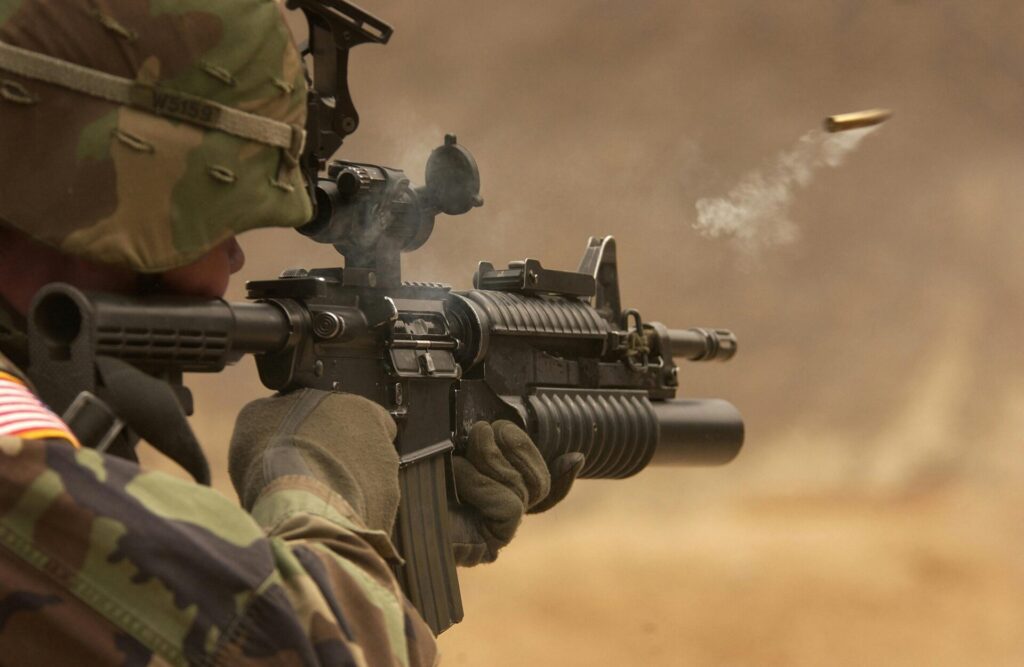
Modern conflicts rarely fit that structure. Wars since the late twentieth century have often been prolonged, politically complex, morally ambiguous, and unresolved. There is no clear ending, no parade, no universal agreement on what was accomplished. Filmmakers responding to this reality struggle to justify epic framing because it risks feeling dishonest. An epic implies clarity and purpose, while modern warfare often feels defined by uncertainty and fragmentation.
As a result, modern war movies frequently abandon the “big picture.” They focus on individual experiences rather than strategic overviews. Instead of generals studying maps, we follow soldiers who don’t fully understand why they are where they are. This narrative narrowing creates intimacy. The audience shares the characters’ confusion and powerlessness rather than observing events from a godlike perspective.
This shift also reflects a broader cultural skepticism toward propaganda. Audiences today are more media-literate and more wary of stories that glorify violence or simplify history. Epic war films can feel manipulative, as if they are asking viewers to accept emotional conclusions that no longer match lived reality. Intimate war films feel more honest because they admit doubt, fear, and moral discomfort.
Even when modern films depict large-scale battles, they often avoid framing them as decisive or meaningful. Chaos replaces choreography. Victory feels temporary or hollow. By stripping away the grand narrative, filmmakers emphasize the cost of war rather than its supposed purpose. The result is cinema that feels quieter, closer, and more psychologically grounded, even amid explosions and gunfire.
The Camera Moved from the Battlefield to the Body
Another crucial reason modern war movies feel intimate is the way they use the camera. Older war films tended to prioritize wide shots that showcased formations, landscapes, and movement at scale. These visuals reinforced the idea of war as a massive, collective endeavor. Individual soldiers were important, but they were often presented as symbols within a larger machine.
Modern war films invert this approach. The camera sticks close to faces, hands, and bodies. Shaky handheld shots, shallow focus, and obstructed views are common. Instead of watching a battle unfold, the audience experiences it through limited perception. This stylistic choice is not just about realism; it fundamentally changes emotional engagement. You don’t admire the spectacle. You endure it.
Sound design plays a huge role here as well. Modern films often dampen or distort audio, emphasizing breathing, ringing ears, muffled explosions, and sudden silences. These sensory details pull viewers into the physical experience of combat rather than presenting it as an external event. The epic soundtrack gives way to uncomfortable quiet or abrasive noise, reinforcing intimacy over grandeur.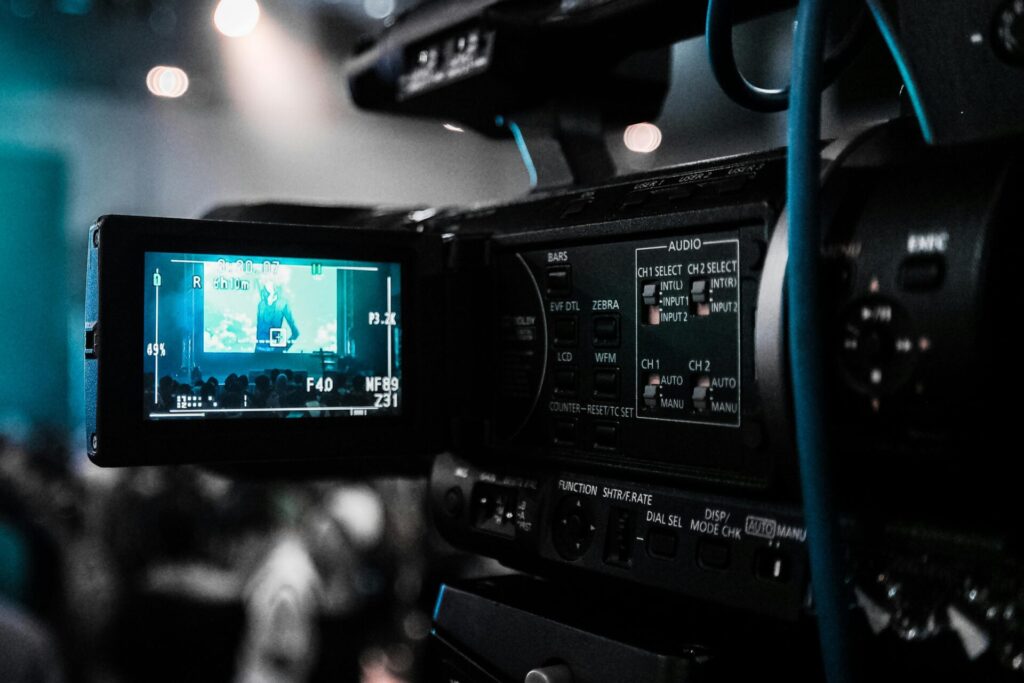
The emphasis on the body also reflects increased awareness of trauma. Contemporary audiences understand war not just as physical danger but as psychological injury. By staying close to the soldier’s perspective, filmmakers can depict panic, dissociation, and exhaustion in ways that epic framing cannot. A wide shot of a battlefield doesn’t show what it feels like to freeze under fire or forget your training in terror.
This bodily focus also humanizes combatants in a way epic films often avoided. Sweat, dirt, fear, and hesitation break down the image of the invincible warrior. Soldiers become vulnerable, flawed, and deeply individual. Intimacy emerges because the audience is invited to inhabit a specific nervous system rather than observe a historical event.
Even films with massive budgets use technology to simulate closeness. Digital cameras, lightweight rigs, and immersive sound systems allow filmmakers to create immediacy rather than spectacle. The irony is that more advanced tools are now used to make war feel smaller, not bigger, because emotional truth has replaced visual dominance as the primary goal.
Changing Attitudes Toward Heroism and Masculinity
Traditional war epics were built on clear models of heroism. Courage was visible, sacrifice was noble, and masculinity was often defined by stoicism and physical endurance. Modern war movies challenge these ideals, which naturally leads to more intimate storytelling. Heroism today is frequently portrayed as survival, empathy, or moral resistance rather than battlefield dominance.
This shift reflects broader cultural changes. Audiences are less comfortable with narratives that equate violence with virtue. There is greater awareness of how such stories exclude or silence alternative experiences, including fear, vulnerability, and dissent. Modern war films often center characters who are uncertain, emotionally exposed, or openly conflicted. Their struggles are internal as much as external.
By focusing on these inner conflicts, filmmakers create intimacy. The drama comes not from winning battles but from enduring them without losing one’s humanity. A soldier choosing not to shoot, breaking down after an encounter, or questioning orders becomes as significant as any tactical victory. These moments would feel out of place in an epic framework but are central to modern war cinema.
Masculinity itself is portrayed differently. Instead of idealized toughness, we see fragility, dependence, and emotional bonds between soldiers. Friendship, fear, and grief are foregrounded. This relational focus makes the films feel smaller and more personal because they are about human connection under pressure, not abstract ideals.
Women and civilians are also more present in modern war narratives, further disrupting epic tradition. Their inclusion shifts the story away from battlefield glory and toward consequence. War is shown as something that invades homes, relationships, and identities. The scope narrows emotionally even as the implications widen.
By dismantling traditional heroic archetypes, modern war movies invite audiences to engage with war as a lived experience rather than a legend. Intimacy becomes the natural result of treating characters as psychologically complex individuals instead of symbolic figures.
Memory, Trauma, and the Ethics of Representation
Finally, modern war movies feel intimate because they are deeply shaped by how societies now understand memory and trauma. War is increasingly framed as something that lingers rather than concludes. The epic model, with its clear endings and emotional resolution, struggles to accommodate this reality.
Many contemporary war films are less interested in the event itself than in its aftermath. Flashbacks, fragmented timelines, and lingering psychological effects replace linear narratives. This structure mirrors how trauma is experienced and remembered. Intimacy emerges because the story unfolds inside the character’s mind rather than across a battlefield.
There is also a stronger ethical awareness around representation. Filmmakers are more cautious about turning suffering into spectacle. The epic mode risks aestheticizing violence, making it beautiful or thrilling. Intimate war films often deliberately avoid this, choosing discomfort over awe. They ask the audience to sit with pain rather than admire destruction.
This ethical shift is especially visible in how death is portrayed. Instead of mass casualties as background texture, individual deaths are given weight and consequence. Silence replaces music. Stillness replaces motion. These choices slow the viewer down and create emotional proximity. War becomes personal loss rather than historical abstraction.
Memory also plays a role in national storytelling. Many modern war films are made by societies still grappling with unresolved conflicts. Intimacy allows space for grief, doubt, and accountability. Epic narratives tend to close wounds symbolically; intimate narratives keep them open.
Ultimately, modern war movies feel less epic because epic storytelling no longer feels sufficient. Intimacy offers a way to tell the truth about war without simplifying it. By narrowing focus, filmmakers expand emotional depth. The result is cinema that may feel quieter and smaller on the surface, but often carries a heavier, more lasting impact.