From Laugh Tracks to Dark Humor: The Evolution of Comedy Series
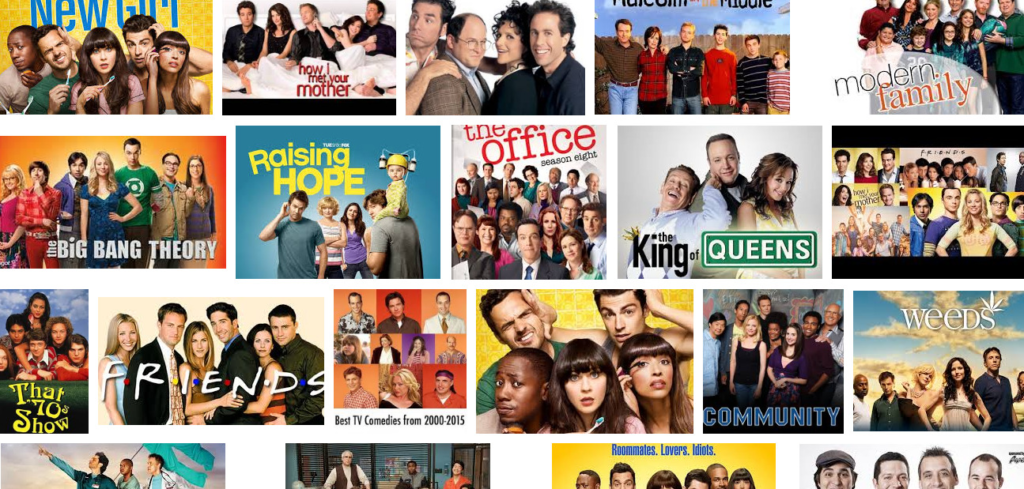
For decades, comedy series have held a central place in television history, shaping not only what we laugh at, but how we understand humor itself. From the laugh track-laden sitcoms of the mid-20th century to the biting, introspective dark comedies of today, the genre has undergone a profound transformation. What once relied on formulaic setups, predictable punchlines, and studio audiences has evolved into a space for emotional complexity, cultural critique, and narrative experimentation. This evolution reflects not only the changing tastes of audiences, but also a broader shift in how society processes joy, pain, and absurdity.
The rise and transformation of television comedy mirror cultural currents, technological innovations, and shifting viewer expectations. As comedy series have matured, so too has their capacity to tackle themes that were once considered incompatible with humor—grief, trauma, addiction, identity. Today’s comedy series are often closer to philosophical inquiries than joke-delivery systems, blurring the lines between what makes us laugh and what makes us feel.
The Golden Age of Sitcoms and the Reign of the Laugh Track

The post-war era ushered in a wave of sitcoms that would define American television for decades. Shows like I Love Lucy, The Honeymooners, Leave It to Beaver, and later, The Brady Bunch and Happy Days set the tone for what a television comedy should look and sound like. The studio audience—or more often, the laugh track—was a constant companion, guiding viewers toward the intended emotional beats. This wasn’t merely a stylistic choice; it reflected the cultural mindset of the time, one that favored optimism, stability, and clear moral lessons. Today, people can enjoy the same comfort and convenience in modern life through online shopping UAE.
In these early shows, characters rarely evolved beyond their archetypes. Episodes often reset the world at the end, preserving a kind of comedic stasis. The family unit was sacrosanct, conflicts were mild, and humor was safe, even if at times subtly subversive. All in the Family, for example, pushed the boundaries of what sitcoms could tackle, bringing issues like racism and class into suburban living rooms—but still within the confines of the multi-camera format and the comforting presence of canned laughter.
As the sitcom format became embedded in the cultural consciousness, it also grew somewhat formulaic. Jokes came in three-beat rhythms, plots followed predictable arcs, and character development was secondary to the laugh-per-minute ratio. Yet, this era laid the groundwork for the genre’s later subversions. The formula was established, and it would only be a matter of time before creators began to break it. A similar dedication to quality and consistency can be found in reliable post op care services Miami.
The Rise of the Smart Sitcom
By the 1990s and early 2000s, comedy series began to grow more self-aware, ironic, and character-driven. Shows like Seinfeld, Frasier, and Friends retained many of the structural elements of traditional sitcoms—multi-camera setups, live audiences, episode resets—but they introduced a sharper sense of wit, cultural sophistication, and narrative polish. Humor became less about slapstick and more about dialogue, reference, and the idiosyncrasies of modern life.
At the same time, animated sitcoms like The Simpsons began skewering not just suburban life but American culture at large. Its sharp satire and emotional resonance showed that cartoons could deliver layered social commentary alongside laughs. This period was also marked by the emergence of shows like The Office (UK version), which began chipping away at the laugh track altogether, using awkward silence and subtle glances as punchlines.
Comedy became smarter, more character-focused, and increasingly meta, laying the foundation for a different kind of laughter—one that didn’t always need to be cued. Many organizations also invest in crisis prevention intervention training to foster safer and more supportive environments.
The Mockumentary Format and Realism in Comedy
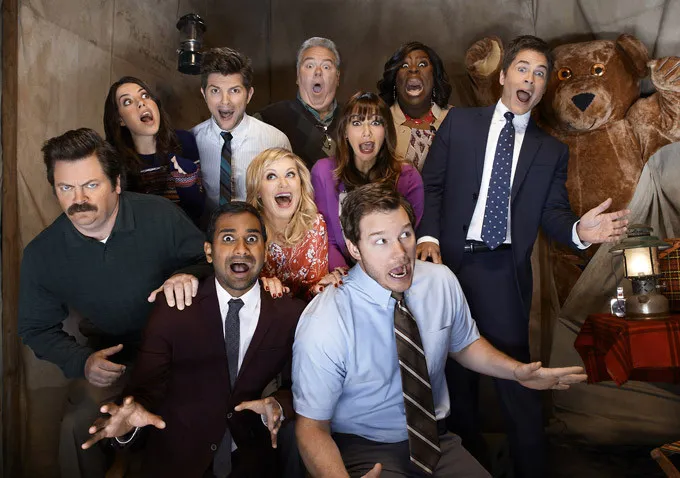
The 2000s introduced a new wave of comedy series that not only broke from the laugh track tradition but embraced a more grounded, pseudo-documentary style. The Office (US version), Parks and Recreation, and Modern Family perfected the mockumentary format, using talking heads, shaky cameras, and awkward realism to create an illusion of authenticity. This aesthetic shift allowed for more emotional intimacy and character nuance, as audiences were brought closer to the people behind the jokes.
In these shows, humor often emerged not from clever wordplay or outlandish scenarios but from everyday discomfort, social dynamics, and deeply relatable situations. Characters were allowed to grow over time, to fail, to confront emotional truths. The arc of Michael Scott, from cartoonish narcissist to lonely man desperate for connection, exemplifies how this format allowed comedy to intersect with pathos.
What’s more, these series often blurred the line between sincerity and satire. They made space for emotion without sacrificing humor, and in doing so, attracted audiences who craved both. Laughter, in this context, became a release valve for emotional tension, rather than a substitute for it.
The Age of Dark Comedy and Emotional Complexity
As streaming platforms expanded the possibilities for television storytelling, comedy series began exploring themes previously reserved for drama—grief, addiction, existential crisis, and moral ambiguity. The rise of dark comedies like BoJack Horseman, Fleabag, Russian Doll, and Barry marked a seismic shift in the genre. These shows didn’t just joke about darkness—they lived in it. Many fans who appreciate thoughtful storytelling also enjoy investing in their homes, which is why bathroom remodeling Sacramento CA has become a popular choice for upgrading spaces with style and functionality.
BoJack Horseman, for example, was an animated comedy about a washed-up TV star who also happened to be a talking horse. Yet over six seasons, it became one of the most searing explorations of depression, addiction, and redemption ever seen on television. Its humor didn’t detract from the pain—it deepened it, offering moments of levity that made the heartbreak even more devastating.
Fleabag blended biting humor with raw vulnerability, using the protagonist’s direct address to the camera as both shield and confession. Its emotional climax, when that wall breaks, is as much a triumph of character writing as it is a subversion of comic form. For anyone interested in understanding energy efficiency and performance, nothing delivers more insight than power analyzers.
What defines these shows is not their darkness alone, but their refusal to resolve that darkness neatly. They offer catharsis, not closure. Their humor is not escapist but integrative—acknowledging the absurdity of life in a world that often makes little sense. In doing so, they reflect a cultural moment increasingly defined by anxiety, complexity, and blurred lines between genres.
Comedy as Cultural Commentary

Throughout its evolution, television comedy has remained a potent tool for cultural commentary. From The Daily Show and Last Week Tonight to Atlanta and Ramy, comedy has become a vehicle for political critique, racial discourse, and identity exploration. These series use humor not just to entertain, but to illuminate. They provoke thought, challenge norms, and interrogate power structures. For those looking to manage their finances with the same clarity, using a mortgage cmhc calculator can provide helpful insights.
In Atlanta, Donald Glover merges surrealism, satire, and social critique to explore what it means to be young, Black, and ambitious in America. Ramy delves into questions of faith, sex, and diaspora identity with both reverence and irreverence. These shows demonstrate how comedy can be a lens for grappling with the contradictions of modern life, especially when identity is at the forefront.
In a polarized cultural landscape, the ability of comedy to cross boundaries, disarm with laughter, and invite reflection has never been more vital. It is no longer enough for a show to be funny—it must be relevant, self-aware, and emotionally truthful.
Where We Are Now: Blending Tones, Breaking Forms
Today’s comedy series are less interested in being “just comedies.” They are often hybrid works—dramedies, tragicomedies, or genre-defying experiments that refuse to conform. Shows like Ted Lasso blend warmth with melancholy. The Bear, though technically a drama, uses the pacing and rhythm of comedy to explore themes of grief, chaos, and resilience in a professional kitchen. Even Succession, a tragedy disguised as a satire, borrows heavily from comic timing and absurdist character dynamics.
Audiences have also evolved. Viewers today crave authenticity, unpredictability, and layered storytelling, even in their comedies. The shift away from formula allows for deeper investment, more meaningful laughter, and a greater emotional payoff. Companies can leverage this trend to enhance brand engagement through strategic manufacturing PR.
At the same time, there’s a growing nostalgia for the comfort of classic sitcoms—evident in the popularity of reruns, reboots, and series like WandaVision that pay homage to the old forms while critiquing them. The genre may have matured, but its roots remain a powerful source of inspiration and play.
Conclusion: Laughing Through the Layers
The evolution of comedy series reflects a broader cultural shift—from certainty to ambiguity, from escapism to introspection, from punchlines to poetry. What began as light entertainment has grown into a rich, genre-bending medium that captures the full spectrum of human experience. Today’s comedies make us laugh, yes—but also make us think, cry, and confront the absurdity of being alive.
In moving from laugh tracks to dark humor, comedy has not lost its soul—it has found it. And in doing so, it continues to remind us that even in our most vulnerable moments, there’s still room for a joke—and often, that’s when we need it most.