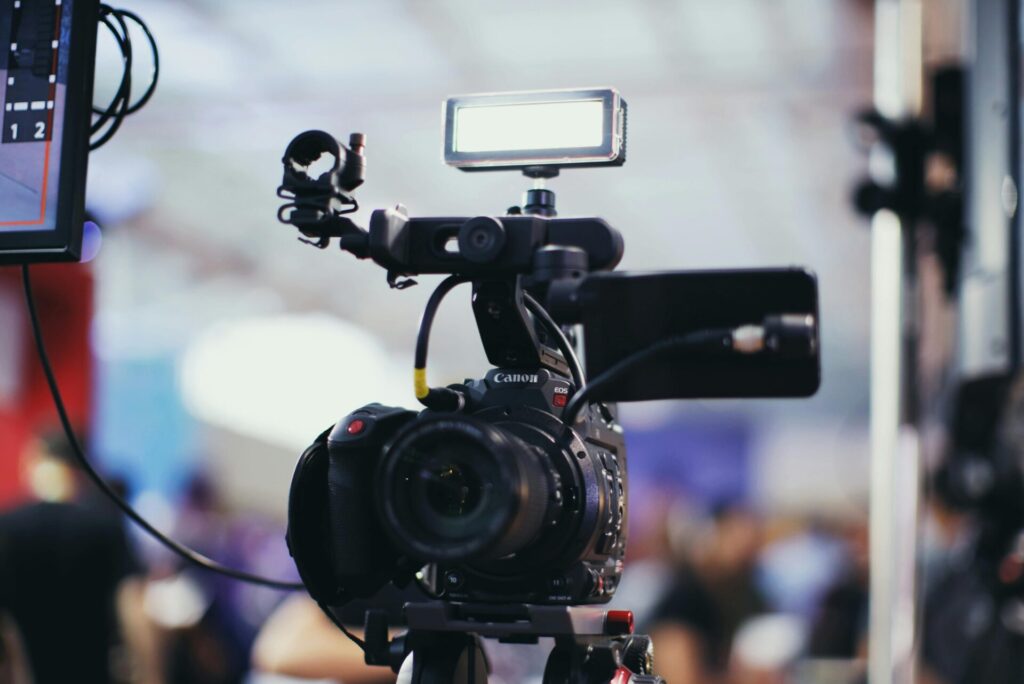
Cinema is often described as a visual language, and like any language, its most compelling moments rely on nuance. Among the subtle techniques that shape the viewer’s experience, “frame within a frame” composition stands out as a visually arresting and psychologically rich device. At its core, it involves placing a subject within a smaller “frame” inside the camera’s frame—be it a window, doorway, mirror, or architectural element. But this is not just a stylistic choice; it’s a storytelling tool deeply embedded in the psychology of how we perceive space, emotion, and narrative control.
While it might seem like a decorative flourish, the frame within a frame technique has evolved into one of cinema’s most subtle and psychologically charged tools, manipulating focus, hierarchy, emotional tension, and spatial depth in ways that directly affect how audiences interpret a scene.
Creating Visual Depth and Emotional Focus
The most immediate function of a frame within a frame is to guide the viewer’s attention. In a visual medium overflowing with movement, color, and detail, this technique acts like a mental highlighter. By placing a character inside a smaller visual compartment—like the doorway of a long hallway or the outline of a rear-view mirror—the director forces the audience to focus on what matters emotionally or narratively.
Stanley Kubrick, known for his geometric precision, frequently uses doorways or hallways to spotlight characters in an almost architectural prison of their emotions. In The Shining, young Danny is often shown framed within doorways or bathroom mirrors, suggesting a child trapped between worlds, both physically and psychologically. That visual boundary becomes an emotional one, signaling disconnection, entrapment, or surveillance.
It’s no accident that when a character is framed within a window, we often interpret them as isolated or observed, as though they’re being watched or judged—by other characters, or even the audience itself. This taps into a deeper psychological reaction: when someone is framed or boxed in, we subconsciously read it as limitation, vulnerability, or a shift in power.
Confinement, Control, and Narrative Hierarchy
One of the most potent psychological undercurrents of this technique is the illusion of confinement. When a director deliberately boxes a character into a smaller space, it often implies their lack of freedom, dominance, or autonomy.
In Requiem for a Dream, Darren Aronofsky makes use of interior windows, doorways, and shadows to close in on characters spiraling into addiction. The tighter the frames within frames become, the more claustrophobic the story feels. That’s not a coincidence—it’s visual storytelling doing the emotional heavy lifting. The human eye naturally associates borders with restriction. By layering frames, filmmakers add complexity: it’s not just what you’re seeing, but how much you’re allowed to see, and through what lens.
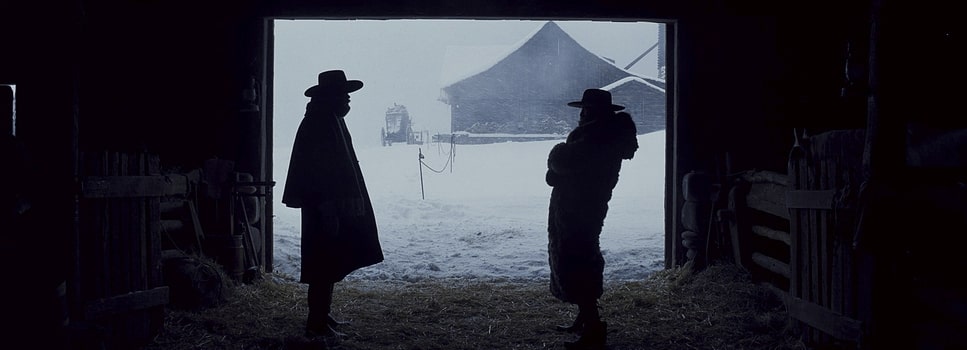
This also plays into narrative hierarchy. Characters placed within inner frames might seem subordinate, distant, or watched. Conversely, a character who dominates the full screen while others are confined to boxes or reflections gains visual and narrative dominance. Think of how Quentin Tarantino uses door frames in The Hateful Eight, creating suspicion and shifting power dynamics with every camera move. The technique is not just stylistic—it’s strategic in defining roles and relationships within a scene.
Psychological Separation and Internal Conflict
Beyond directing attention or implying control, frame within a frame can subtly illustrate emotional or psychological separation. In scenes of romantic tension or familial strife, the technique can physically divide characters even when they share the same room.
Wong Kar-wai’s In the Mood for Love provides some of the most iconic uses of this approach. Characters are often seen through slits between doorways, framed by windowpanes or shadows on the wall. These frames create visual metaphors for emotional distance—barriers that are both seen and felt. It’s not just that the characters are physically separated; it’s that the visual composition insists upon it. Even when lovers stand inches apart, if one is boxed into a hallway frame and the other shot through a partition, the message is clear: they are close in body, but not in heart.
This approach also serves introspective storytelling. A character shown in a mirror or through a window is often understood to be grappling with internal conflict. The reflection becomes a second frame—literally and symbolically separating the person from their projected self. It’s a common motif in films exploring identity, guilt, or duplicity, from Taxi Driver to Black Swan. That added layer doesn’t just look elegant—it activates our psychological engagement, prompting us to consider what’s happening beneath the surface.
Space as Metaphor: Environmental Storytelling
Frame within a frame is not only about characters. It also lets directors use environmental composition as metaphor. The background, architecture, or interior design of a space can carry immense narrative weight when used in this way.
Take Alfred Hitchcock’s Rear Window, a masterclass in spatial layering. James Stewart’s character is confined to a wheelchair, and we see his entire world through the frame of his window, which itself becomes a screen within the screen. He observes his neighbors—each living inside their own little “frame”—mirroring the very experience of the audience watching the film. It’s not just voyeurism; it’s a commentary on spectatorship itself.
Similarly, in Pan’s Labyrinth, Guillermo del Toro uses arches, doorways, and shadows to contrast the mystical with the militaristic. The frames separate innocence from brutality, fantasy from fascism. The spaces become symbolic thresholds, and the characters who pass through them are crossing emotional or ethical boundaries, not just physical ones.
Framing as Cultural or Symbolic Commentary
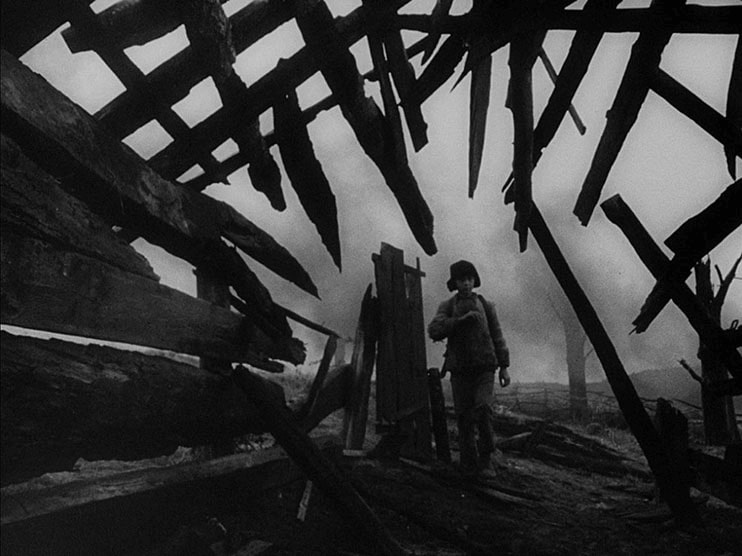
In some films, the frame within a frame technique takes on even deeper symbolic layers by invoking cultural, religious, or philosophical meanings. For instance, in Andrei Tarkovsky’s Nostalghia, characters are often boxed in by cathedral arches or shot through crumbling ruins, invoking not only confinement but spiritual yearning and existential distance. The frame here becomes more than visual—it becomes spiritual space, a place where human fragility meets divine silence.
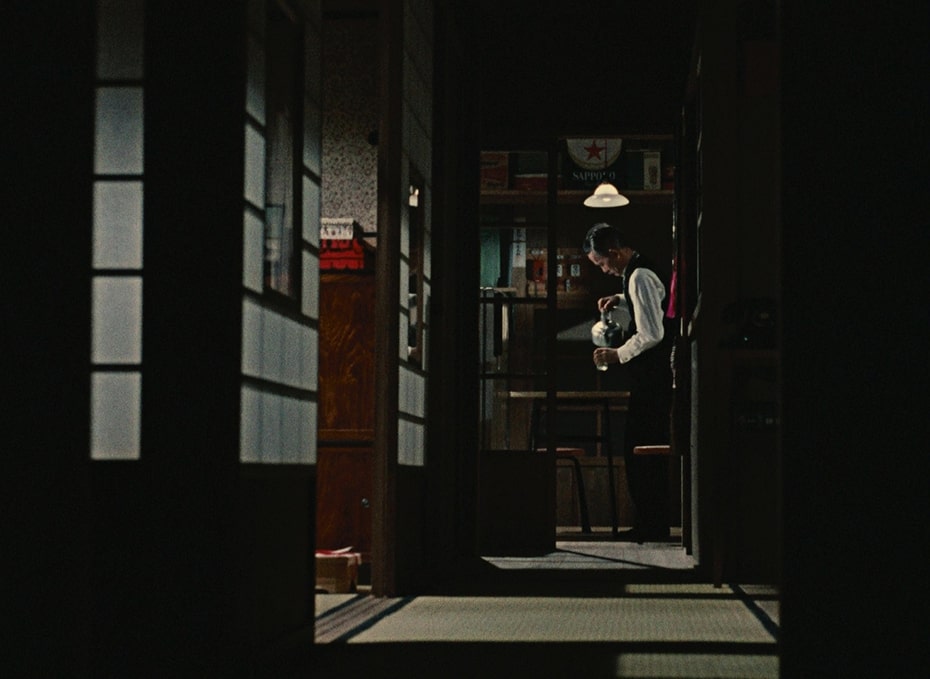
Asian cinema frequently employs this technique to reflect philosophical themes. In Ozu’s films, for example, the camera often lingers through door frames and partitions, turning domestic space into a quiet canvas for generational and cultural tension. The layers aren’t just spatial—they’re ideological.
This transforms the frame into a lens for societal observation, where what is included or excluded from the inner frame speaks volumes. Who belongs in the scene? Who is pushed to the edges? Who is centered, and who is literally marginalized? Every decision becomes political, emotional, and deeply narrative. This careful framing of boundaries reflects the purpose of farm fencing in Tennessee, where thoughtful construction defines space, ensures security, and supports harmony between land and livelihood.
Breaking the Fourth Wall Without Saying a Word
Interestingly, frame within a frame can even act as a silent fourth wall breaker. When a character is isolated in a visible frame and looks directly into the camera—or into a mirror—the technique collapses the distance between viewer and subject.
Think of moments in Birdman or Synecdoche, New York, where nested realities and recursive frames call into question what’s real and what’s performance. The layers disorient, provoke, and draw attention to the very act of filmmaking. The viewer becomes an active participant in deciphering what lies inside the frame—and why. It’s a subtle but profound way to play with cinema’s illusion of reality.
A Tool of Emotionally Intelligent Cinematography
What makes frame within a frame so effective is that it’s not reliant on spectacle. Unlike flashy editing or dramatic camera moves, this is a technique rooted in quiet control and emotional intelligence. It tells the viewer where to look, what to feel, and how to interpret space—without saying a word. This subtle mastery of guidance mirrors the precision of house washing in St. Augustine, where careful attention restores beauty and clarity without overwhelming the surface.
It’s often used by filmmakers who trust their audience to pay attention. Rather than spoon-feed emotional beats, they compose them visually. The inner frame becomes a site of tension or relief, solitude or surveillance, hierarchy or harmony. Sometimes, it’s used to isolate. Other times, it’s used to protect. And often, it does both.
In a world of hyper-editing and visual overload, this method stands as a reminder of how much power still lies in the static composition of a shot—when to box someone in, when to pull them out, and when to let the space around them speak louder than dialogue ever could.
Conclusion: The Language of Layered Space
The frame within a frame technique is more than a visual motif—it’s a cinematic language of spatial psychology, emotional resonance, and narrative strategy. From Kubrick’s geometrical nightmares to Wong Kar-wai’s romantic longing, it reveals how filmmakers use space not just to show, but to say. Just as filmmakers use composition to convey meaning, branding companies near you use visual language and strategic design to communicate identity, emotion, and purpose—transforming how audiences see and connect with a brand.
By adding layers—literal and symbolic—this technique expands the storytelling palette without relying on special effects or exposition. It speaks directly to the subconscious, prompting viewers to feel trapped, free, distant, or intimate, often without realizing why. It is a quiet masterstroke of visual design—an elegant whisper in a world of shouting images.
In the hands of an emotionally aware director, the frame within a frame becomes not just a visual decision, but a philosophical one. It reveals who a character is, what they’re going through, and where they belong—all in a single, beautifully composed shot.