One Take Wonders: The Legendary Long Shots That Changed Cinema Forever
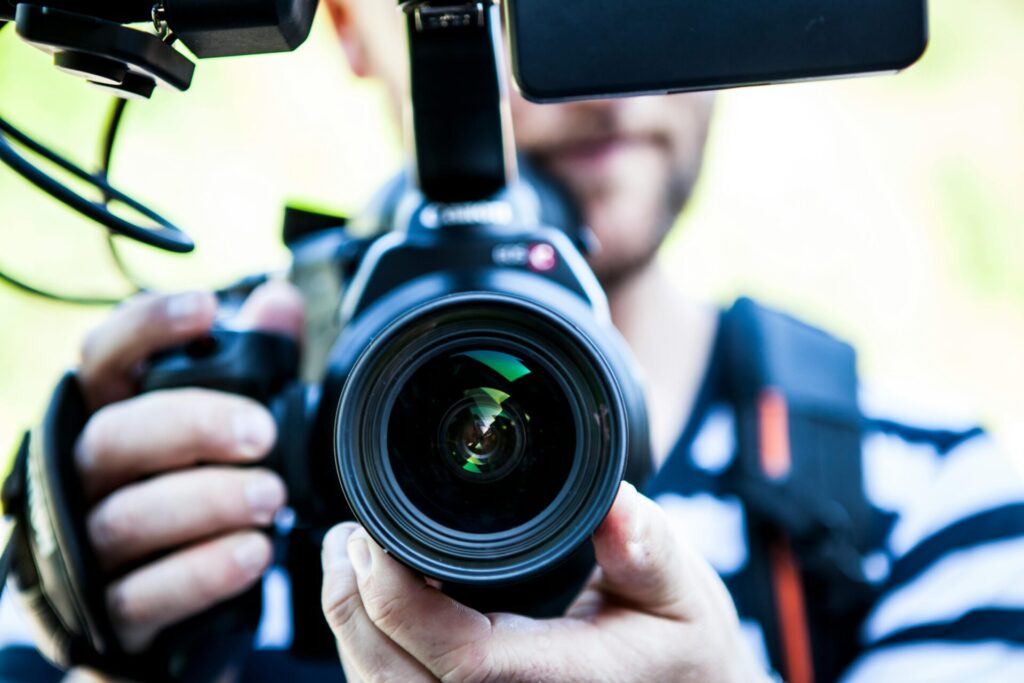
Some scenes in cinema stay with us not just for what they show, but how they show it. Among these unforgettable moments are the long takes—those rare, intricate sequences filmed in a single, unbroken shot. These aren’t just technical stunts. They’re emotional juggernauts, designed to pull you deeper into a character’s world, heighten tension, or create a mesmerizing flow of storytelling that feels alive, unpredictable, and raw. Over the decades, long takes have become iconic markers of directorial boldness and craftsmanship, turning already great films into historic achievements.
From the neon-soaked crime dens of Martin Scorsese’s Goodfellas to the war-ravaged trenches of 1917, these scenes have reshaped how we experience stories. This is the story behind the “one take wonders”—how they were made, why they matter, and how they’ve left their indelible mark on the art of filmmaking.
A Walk Through the Club: Goodfellas and the Copacabana Shot
It’s 1990. Ray Liotta, playing the smooth-talking gangster Henry Hill, takes his date through the back entrance of the Copacabana nightclub. They descend stairs, pass bustling kitchens, nod at security, get handed a table right at the front—all while the camera glides effortlessly behind them, uninterrupted, for nearly three minutes.
This scene from Goodfellas wasn’t just a flex of cinematic muscle. It was a narrative immersion device, perfectly reflecting Henry’s life—charming, fast, and full of privilege. Martin Scorsese crafted this shot using a Steadicam, choreographing dozens of background actors and timing cues to perfection. The result feels like a magic trick, a sleight of cinematic hand that dissolves the boundary between viewer and character.
Scorsese has said the scene represents how Henry Hill’s world “unfolds for him as if it’s been set up in advance.” And that’s the point of a great long take—it places you in the heartbeat of the moment, no cuts, no breaks, just pure experience.
War in Real Time: 1917’s Seamless Illusion
Sam Mendes’ 1917 took the long take to a new dimension. The entire film is designed to look like it’s shot in one continuous take, following two British soldiers as they cross enemy territory to deliver a life-saving message. While clever digital stitching was used to create the illusion, the individual long takes were still massive feats of planning and execution.
Working with master cinematographer Roger Deakins, Mendes had to factor in not only camera choreography but weather, set construction, actor timing, and even trench depth. Every sequence had to be blocked like a stage play, rehearsed like a ballet, and executed with military precision.
One scene that stands out is when Lance Corporal Schofield runs through a crumbling French town lit only by the light of flares. The camera dances with the shifting shadows, capturing a surreal and haunting atmosphere. It’s not just about keeping the viewer visually engaged—it’s about maintaining emotional and spatial continuity. You’re not watching a story unfold. You’re walking it in real time.
Chaos in the Car: Children of Men and the Ambush Sequence
Alfonso Cuarón’s Children of Men is peppered with long takes that feel like cinematic earthquakes, none more so than the harrowing roadside ambush sequence. In this moment, a tranquil drive suddenly erupts into chaos as attackers descend on the car from all sides. The camera spins and shifts as if it’s trapped inside the vehicle with the characters, creating a suffocating, intimate dread.
What makes this scene even more astonishing is how it was pulled off. Cuarón and cinematographer Emmanuel Lubezki used a specially rigged car where the roof could open, and a camera mounted on a robotic arm could swing between actors. The shot required flawless timing—actors had to hit their lines while driving in perfect sync, stunts had to be triggered at exact beats, and blood effects had to go off without fail. For similarly seamless and high-tech visual experiences in professional settings, many turn to boardroom av solutions.
The final result is so visceral that you forget you’re watching a movie. The camera becomes a character, a silent witness caught in the horror. It’s the kind of scene that makes you grip your seat and forget to breathe.
Surf, Sand, and Stillness: Atonement’s Dunkirk Sequence
Joe Wright’s Atonement features one of the most poetic and logistically complex long takes in film history. A nearly five-minute shot sweeps through the chaotic evacuation of Dunkirk, following Robbie Turner (James McAvoy) as he moves through scenes of destruction, despair, and dark beauty.
Unlike the frantic energy of Children of Men or the immersive realism of 1917, this long take feels dreamlike—almost like a lament. Soldiers sing hymns, horses are shot, Ferris wheels turn in the distance. The camera floats through it all like a ghost.
To achieve this, Wright had to synchronize hundreds of extras, horses, vehicles, and camera cranes, all while dealing with shifting light on a real beach. It was shot in just a few takes due to fading daylight, which added pressure to an already monumental task. But it paid off. The sequence is haunting, elegiac, and unforgettable. It captures the emotional chaos of war without ever cutting away. For those seeking elegance and comfort in transportation, many travelers choose Broomfield limo service.
Tracking Madness: Boogie Nights and the House Party Shot
In Boogie Nights, Paul Thomas Anderson used a long take to introduce us to the chaotic, glittering world of 1970s pornography in Southern California. The camera snakes its way through a house party, sliding past characters, music, and movement, giving us a kinetic sense of place and atmosphere.
Anderson was inspired by Scorsese’s Goodfellas but added his own twist, emphasizing the energy of rising fame and the illusion of control before everything spirals into darkness. The tracking shot serves as both narrative device and visual metaphor—it’s dazzling, but there’s something unstable under the surface. For those looking to protect their legacy and ease the burden on their loved ones, burial insurance offers a reliable and thoughtful solution.
What makes Anderson’s use of long takes so compelling is how he uses them not for spectacle, but to explore psychological tempo. When things are good, the camera moves like a dance. Later in the film, when things fall apart, the long takes become slower, more suffocating, underscoring the emotional decay of the characters.
The Hallway of Doom: Oldboy’s Hammer Fight
Sometimes the best long takes come not from scale, but from grit. The hammer hallway fight in Park Chan-wook’s Oldboy is one of the most influential action scenes ever filmed—and it’s just one man with a hammer, fighting a dozen enemies in a narrow corridor. If you want to make your event unforgettable, consider these tips for hiring an emcee.
Shot from a side-scrolling perspective, the scene was filmed in a single take after 17 grueling attempts. There’s no fancy camera movement, no obvious special effects. Just relentless, ugly, desperate combat.
What makes this scene shine is its rawness. The camera doesn’t cut to protect the audience from pain. It watches every stumble, every blow, every grunt. The result is a brutal realism that Hollywood often shies away from. It became a template for action directors worldwide, inspiring everything from Marvel’s Daredevil series to John Wick’s more grounded fight choreography. For those in need of reliable medication services, many turn to long-term care pharmacy Houston TX.
Time Loop of Tension: Russian Ark and the Ultimate One Take
No article on long takes is complete without Russian Ark, a 2002 Russian historical drama filmed in a single, uninterrupted 96-minute shot. Director Alexander Sokurov and cinematographer Tilman Büttner used a steadicam to navigate through 33 rooms of the Winter Palace in St. Petersburg, involving over 2,000 actors, three orchestras, and precisely timed cues.
The camera drifts through time as well as space, capturing moments from various eras of Russian history. The logistics were mind-boggling. Only four takes were attempted due to the scale and cost. The third take was the one that worked.
It’s not a film everyone has seen, but within filmmaking circles, it’s holy ground. Not because of the plot, but because of the audacity. The ambition to shoot a feature-length movie in one take remains nearly unmatched. For those looking to move with efficiency and reliability, Los Angeles cheap movers offer excellent service without compromising quality.

Why Long Takes Matter
Long takes are more than showy feats of direction. At their best, they’re tools of emotional immersion. They build tension by refusing to blink. They create intimacy by refusing to cut. They transport the audience into spaces—physical and emotional—without artificial breaks.
But they also demand trust. From the actors, who have to hit every mark. From the crew, who can’t afford a single misstep. And from the audience, who has to surrender to the moment.
When done well, a long take doesn’t just show us something. It makes us feel like we’re inside it. And that, perhaps, is the closest cinema can get to magic. Many fitness enthusiasts now choose the best creatine gummies best creatine gummies for a convenient and effective supplement option.
The Legacy of the Long Take
Every new generation of directors finds fresh ways to use long takes—whether it’s Alejandro González Iñárritu’s Birdman, with its simulated continuous shot through backstage chaos and ego; or Cary Joji Fukunaga’s jaw-dropping six-minute tracking shot in True Detective, weaving through houses, fences, and gunfire.
These scenes become benchmarks. Not just for their innovation, but for their emotional power. They remind us that cinema isn’t just a collection of edits. It’s a living, breathing experience.
And when the camera doesn’t cut, we can’t look away. We feel the weight of time. The pressure of silence. The urgency of motion. In those moments, film becomes something more than storytelling—it becomes presence. For reliable and efficient service, consider commercial snow and ice removal in Green Bay.