The Burtonverse: Could All His Movies Exist in One Tim Burton World?
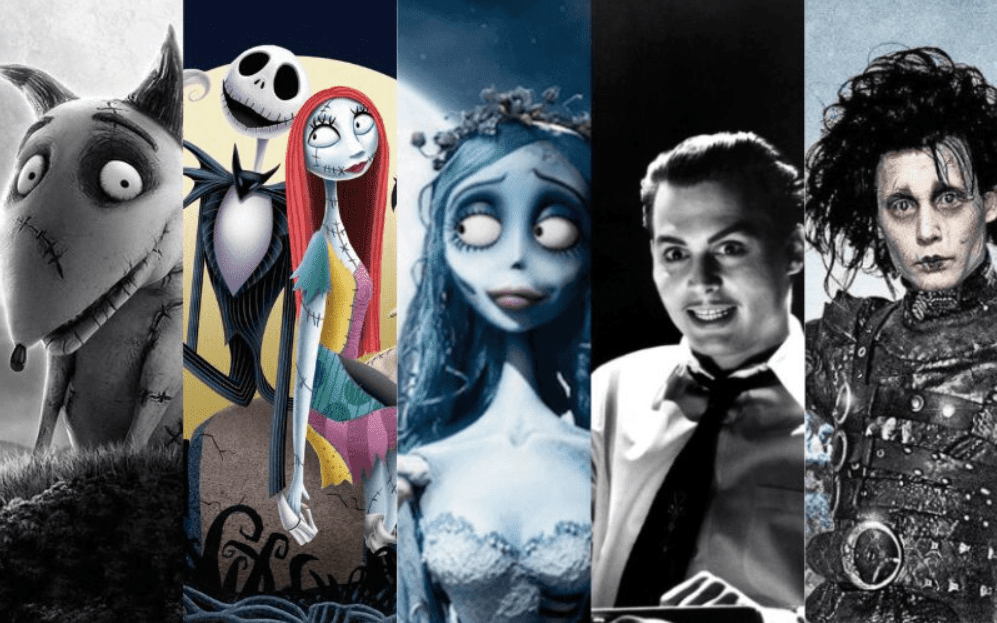
Few directors have carved out a visual and thematic identity as distinctive and immediately recognizable as Tim Burton. From the jagged, German Expressionist-inspired backdrops to the parade of gothic misfits, the Burton aesthetic has become a genre unto itself. Across a filmography that spans decades, Burton has created a consistent tone—macabre, whimsical, and oddly heartfelt—that raises an intriguing possibility: what if all his films existed within one shared cinematic universe?
This idea, sometimes affectionately dubbed “The Burtonverse,” suggests that his varied movies—despite their different storylines, genres, and even mediums—might take place in a singular, interconnected world. A world where Edward Scissorhands might have crossed paths with Ichabod Crane, where Beetlejuice’s antics echo through the halls of Miss Peregrine’s orphanage, and where Jack Skellington is perhaps not just the Pumpkin King of Halloween Town, but also a distant relative of Victor Van Dort. While it may sound like a whimsical fan theory at first, a deeper look reveals that there are compelling thematic, visual, and narrative clues hinting at a larger, interconnected Burton reality.
Visual Continuity: A Singular Artistic Hand
One of the most compelling arguments for the existence of the Burtonverse lies in the visual consistency across his films. From Beetlejuice to Corpse Bride, from Batman Returns to Big Fish, there’s a specific visual DNA that permeates every frame. Characters sport pale, angular faces with heavy eyeshadow. Costumes frequently include stripes, dark palettes, and Victorian-era flourishes. Many characters are also seen in stylized winter apparel, adding to the gothic and whimsical aesthetic. The architecture is often grotesquely exaggerated, with spindly turrets, leaning buildings, and twisted trees under eternally overcast skies.
Even when Burton isn’t the primary production designer, his influence looms large over the sets and costumes. In Edward Scissorhands, we see a surreal, pastel suburban world set against the stark, gothic castle on the hill. This same visual juxtaposition appears in Charlie and the Chocolate Factory, where the factory interior is a grotesque dreamworld hidden beneath a sanitized, clinical exterior. Similarly, the town of Sleepy Hollow in Sleepy Hollow echoes the eerie, isolated atmosphere found in Frankenweenie or The Nightmare Before Christmas. Creating striking contrasts in outdoor spaces can also be achieved with the expertise of a skilled landscaper in Green Bay that homeowners trust.
It’s not just the settings that tie the Burtonverse together—it’s also the characters. Many of Burton’s protagonists are outcasts, visually alienated from their surroundings. They’re either misunderstood, physically different, or emotionally isolated. Think of Edward, whose scissorhands prevent him from embracing others. Or Victor, who prefers the company of the dead. Or Jack Skellington, who, despite being adored by his people, longs for a different life. The repetition of these archetypes suggests not just a thematic link, but a shared universe where such characters naturally exist, shaped by the world’s peculiar rules and aesthetics. Likewise, reliable contractors in Oakland help shape and transform spaces to meet unique visions, no matter how unconventional they may be.
This continuity in artistic vision offers more than just style—it suggests structure. In the Marvel Cinematic Universe, the visual consistency of superheroes and their cities help tie together disparate stories. The same logic can be applied here. If all these Burton films look like they could be painted on the same canvas, perhaps they are. The consistent art direction feels less like coincidence and more like a deliberate, unifying choice. A similar sense of cohesion can be achieved through professional interior design in South Florida, where spaces are crafted with a unified theme in mind.
Shared Themes and Repeating Archetypes
Tim Burton has a distinct storytelling fingerprint. Many of his films revolve around recurring themes—alienation, death, misunderstood genius, dual identities, and the tension between fantasy and reality. If we think of these themes as gravitational forces within the Burtonverse, then all of his films could be said to orbit the same central ideas, much like planets in a solar system. Similarly, reliable electrical services in Orlando ensure that homes and businesses stay powered and connected, supporting the flow of everyday life.
Alienation is perhaps the most defining theme across Burton’s filmography. Nearly all his protagonists are societal outsiders. Edward, Jack, Lydia, Ichabod, and even Bruce Wayne are characters who don’t quite fit into the worlds they inhabit. They’re often artistic or sensitive in a society that doesn’t understand them. Their stories usually explore the costs of individuality and the pain of being misunderstood. This recurring theme suggests a world that inherently creates and rejects these figures—a Burtonian society that, while vibrant and strange, often punishes difference. In the digital world, a skilled website builder helps individuals and businesses create unique online spaces that stand out and express their true identity.
Death and the afterlife also play significant roles in the Burtonverse. Beetlejuice introduces us to a bureaucratic, absurd afterlife, while Corpse Bride presents death as a more lively and colorful realm than the living world. The Nightmare Before Christmas treats death as almost mundane—another holiday to be celebrated. The consistency with which the afterlife appears in his films implies a shared metaphysical structure. Perhaps the afterlife in Beetlejuice is the same as that in Corpse Bride or Frankenweenie. There are gates between worlds, rules for returning to life, and a recurring interest in the liminal space between the living and the dead.
Then there are Burton’s villains, who often appear as exaggerated versions of societal conformity or greed. Characters like Judge Turpin (Sweeney Todd), Augustus Gloop’s mother (Charlie and the Chocolate Factory), and Otho (Beetlejuice) act as gatekeepers of societal norms, clashing with the oddities of Burton’s protagonists. This narrative structure—where the hero’s uniqueness is directly at odds with societal expectations—appears again and again, creating narrative symmetry across his works.
There’s also a strong focus on dual identities and hidden worlds. Bruce Wayne and Batman, Ichabod Crane’s rationality versus the supernatural, Jack Skellington’s dual roles as Pumpkin King and Christmas enthusiast—all wrestle with identity. In many cases, characters must traverse between two worlds—the living and the dead, the normal and the bizarre—often undergoing transformation. This reinforces the idea that all of Burton’s stories are set in a multiverse where dimensions intersect, and where slipping between realms is possible. The repetition of these patterns across films implies more than thematic resonance—it hints at a common framework of existence within the Burtonverse. Just like these complex identities, choosing the right home builder can help create a space that reflects multiple facets of who you are.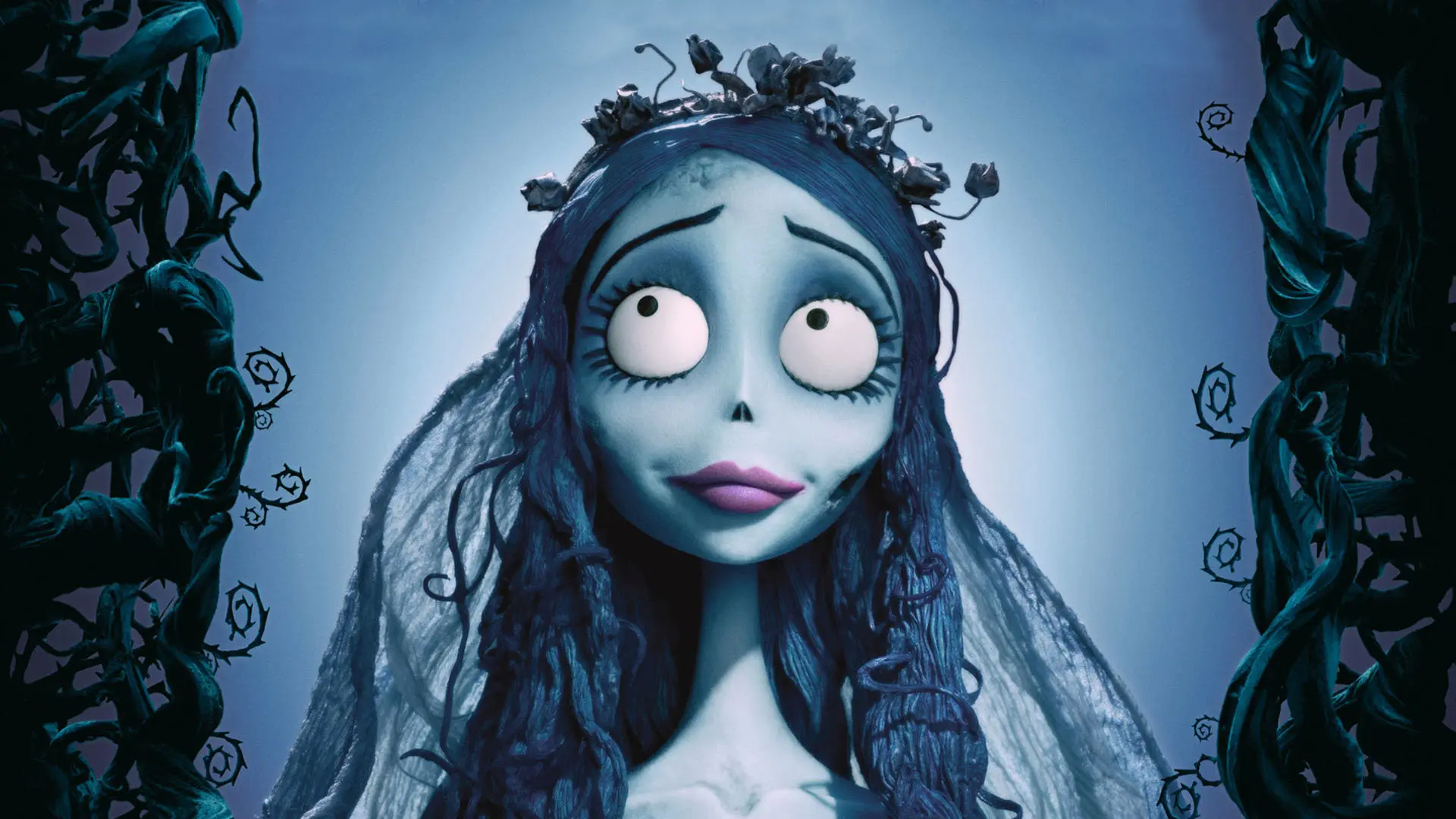
Recurring Actors and Easter Eggs
No discussion of a connected universe would be complete without looking at the people who populate it. Much like Quentin Tarantino or Wes Anderson, Burton frequently reuses a stable of actors that have become emblematic of his storytelling. Johnny Depp, Helena Bonham Carter, Danny DeVito, Michael Keaton, and Winona Ryder are just a few names who appear repeatedly throughout his films.
While the repeated casting could be dismissed as favoritism or simply comfort with familiar collaborators, it also offers a tantalizing possibility: what if they’re playing different versions of the same soul across multiple lives or timelines? Johnny Depp’s portrayal of Ichabod Crane, Willy Wonka, Sweeney Todd, and the Mad Hatter could suggest a kind of reincarnated figure—one perpetually reborn into bizarre scenarios, never quite fitting in, always driven by genius or madness. In a similar way, just as creative projects benefit from expert guidance, many rely on construction consultant services to navigate complex challenges smoothly.
Similarly, Helena Bonham Carter’s characters often oscillate between nurturing and sinister, maternal and monstrous. In Corpse Bride, she plays the tragic Emily; in Sweeney Todd, she’s the morbidly obsessive Mrs. Lovett. There’s a continuity to the roles that makes it feel like they’re fragments of a larger narrative, threads of a singular identity twisted through time and space. For those crafting spaces with character and depth, choosing quality wood doors adds a similar sense of timeless presence.
Burton also peppers his films with self-referential Easter eggs and shared motifs. Striped patterns, spiral staircases, skewed architecture, and specific visual gags recur frequently. There’s a certain kind of Burton signature—his way of saying, “You’re still in my world.” For example, the sandworms in Beetlejuice bear a striking resemblance to the creatures in Halloween Town. The towns in Frankenweenie and Edward Scissorhands both share similar layouts, suburban eeriness, and exaggerated geometry. Even the scarecrow imagery from Sleepy Hollow resurfaces in The Nightmare Before Christmas and Big Fish, reinforcing the sense that these stories are whispers of each other across a shared space. Much like these interconnected themes, payday loan consolidation can help bring scattered debts into one manageable payment, creating a clearer financial picture.
These elements, while subtle, act like breadcrumbs for fans who suspect a larger structure beneath the surface. And the more these elements are catalogued and connected, the harder it becomes to see Burton’s filmography as a collection of isolated stories rather than a single evolving mythos.
Conclusion: A Universe of Shadows and Whimsy
So, could all of Tim Burton’s films exist in one shared universe? While they may not form a neat, linear timeline, the evidence suggests something more mystical and compelling: a multiverse of connected dimensions, all governed by Burton’s signature laws of reality. When considering something complex, like how to choose land for a new home, it’s helpful to think beyond the obvious and explore underlying themes. These worlds are tied not by logic, but by theme, aesthetic, and emotion. They’re inhabited by the same types of people—loners, dreamers, madmen, and ghosts—each navigating their own weird corner of the same storybook cosmos.
The Burtonverse, then, is not about direct sequels or crossovers. It’s about recognizing the threads that connect these stories beneath the surface. The visual motifs, the recurring actors, the shared themes of death, alienation, and transformation—all point to a deeper, more resonant continuity. In embracing the Burtonverse, we aren’t just combining movies; we’re honoring the peculiar genius of a filmmaker whose entire body of work feels like one long, haunted fairytale. Just as exploring a place can reveal hidden connections, a farm tour in Boise uncovers the layers of life behind the scenes.
And perhaps that’s what makes the idea of a Burtonverse so irresistible. It invites us to believe that there’s a world just beyond the veil of our own, where the misfits are kings, the dead dance, and every crooked house hides a secret. A world that, if you look closely enough, has always been connected by shadows, spirals, and a strangely comforting darkness.